

Understanding Reducers: Key Components in Piping Systems
Oct 07,2026
In the realm of industrial equipment and piping components, reducers serve as essential fittings that play a crucial role in managing fluid flow within pipelines. A reducer is a component used to connect two sections of pipe with different diameters, enabling the smooth transition of fluids while maintaining pressure and flow rate efficiency. Understanding the functionality and significance of red
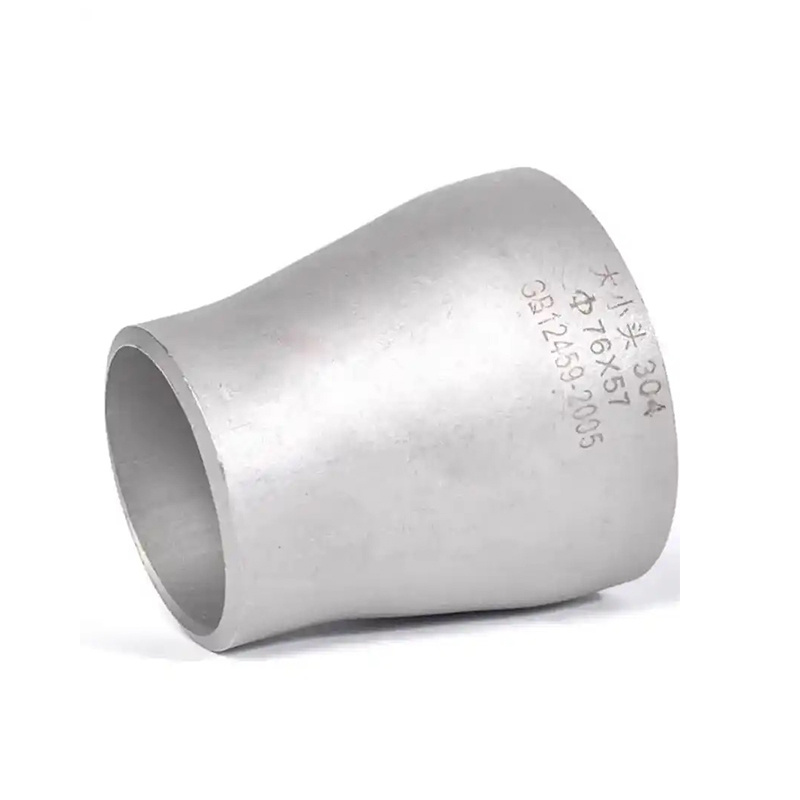
In the realm of industrial equipment and piping components, reducers serve as essential fittings that play a crucial role in managing fluid flow within pipelines. A reducer is a component used to connect two sections of pipe with different diameters, enabling the smooth transition of fluids while maintaining pressure and flow rate efficiency. Understanding the functionality and significance of reducers is imperative for professionals involved in the selection and installation of piping systems.
Reducers can be categorized mainly into two types: concentric and eccentric reducers. **Concentric reducers** feature a symmetrical design that allows for a gradual decrease in pipe diameter, maintaining a central axis along the pipeline. This type is particularly effective in vertical piping installations, where it aids in reducing turbulence and ensuring a uniform flow. On the other hand, **eccentric reducers** have an off-center design that facilitates a more controlled transition between pipe sizes, making them ideal for horizontal installations where sediment accumulation may occur. Choosing the right type of reducer is crucial for optimizing flow characteristics and minimizing pressure drops.
The primary function of a reducer is to control the velocity and pressure of the fluid flowing through the pipeline. When a fluid flows through a reducer, its velocity increases as the cross-sectional area decreases, according to the principle of conservation of mass. This increase in velocity can help in maintaining the required flow rate downstream, but it is essential to monitor the pressure variations to avoid potential issues such as cavitation or pipeline fatigue.
In addition to flow control, reducers are vital in various applications across industries including oil and gas, water treatment, and manufacturing. They are often used in systems that require transitioning from larger to smaller pipes, allowing for compatibility with different pipe sizes and ensuring system integrity. Moreover, reducers can be manufactured from various materials such as stainless steel, PVC, and carbon steel, providing flexibility in design and application based on the specific requirements of the system.
When selecting a reducer for a piping system, several factors must be taken into consideration, including the materials of construction, the pressure and temperature limits, and the compatibility with the fluids being transported. Proper installation is also key to preventing leaks and ensuring the longevity of the piping system. A well-chosen and correctly installed reducer not only enhances the system's performance but also contributes to the overall efficiency and safety of operations.
In summary, reducers are indispensable components in industrial piping systems, playing a significant role in managing fluid dynamics and ensuring optimal flow conditions. Understanding the types, functions, and applications of reducers helps professionals make informed decisions that enhance the performance and reliability of their piping systems.
Reducers can be categorized mainly into two types: concentric and eccentric reducers. **Concentric reducers** feature a symmetrical design that allows for a gradual decrease in pipe diameter, maintaining a central axis along the pipeline. This type is particularly effective in vertical piping installations, where it aids in reducing turbulence and ensuring a uniform flow. On the other hand, **eccentric reducers** have an off-center design that facilitates a more controlled transition between pipe sizes, making them ideal for horizontal installations where sediment accumulation may occur. Choosing the right type of reducer is crucial for optimizing flow characteristics and minimizing pressure drops.
The primary function of a reducer is to control the velocity and pressure of the fluid flowing through the pipeline. When a fluid flows through a reducer, its velocity increases as the cross-sectional area decreases, according to the principle of conservation of mass. This increase in velocity can help in maintaining the required flow rate downstream, but it is essential to monitor the pressure variations to avoid potential issues such as cavitation or pipeline fatigue.
In addition to flow control, reducers are vital in various applications across industries including oil and gas, water treatment, and manufacturing. They are often used in systems that require transitioning from larger to smaller pipes, allowing for compatibility with different pipe sizes and ensuring system integrity. Moreover, reducers can be manufactured from various materials such as stainless steel, PVC, and carbon steel, providing flexibility in design and application based on the specific requirements of the system.
When selecting a reducer for a piping system, several factors must be taken into consideration, including the materials of construction, the pressure and temperature limits, and the compatibility with the fluids being transported. Proper installation is also key to preventing leaks and ensuring the longevity of the piping system. A well-chosen and correctly installed reducer not only enhances the system's performance but also contributes to the overall efficiency and safety of operations.
In summary, reducers are indispensable components in industrial piping systems, playing a significant role in managing fluid dynamics and ensuring optimal flow conditions. Understanding the types, functions, and applications of reducers helps professionals make informed decisions that enhance the performance and reliability of their piping systems.
Key words:
RELATED INFORMATION
Understanding Reducers: Key Components in Piping Systems
In the realm of industrial equipment and piping components, reducers serve as essential fittings that play a crucial role in managing fluid flow within pipelines. A reducer is a component used to connect two sections of pipe with different diameters, enabling the smooth transition of fluids while maintaining pressure and flow rate efficiency. Understanding the functionality and significance of red
Oct 07,2026

Case Studies: Successful Implementation of Insulated Pipelines in Industrial Applications
Case Studies: Successful Implementation of Insulated Pipelines in Industrial Applications
Table of Contents
Introduction to Insulated Pipelines
Importance of Insulated Pipelines in Industry
Case Study 1: Oil and Gas Industry
Case Study 2: Chemical Processing
Case Study 3: District Heating Systems
Case Study 4: Food and Beverage Industry
Benefits of Insulated Pipeline S
Oct 03,2026
---
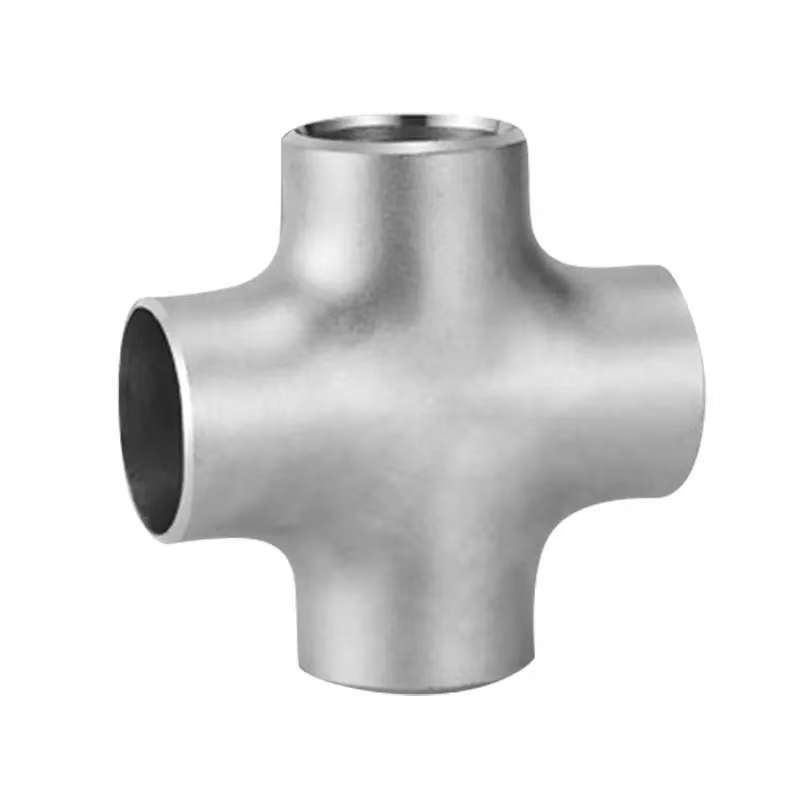
In the construction and decoration materials industry, particularly in the domain of piping systems, understanding the role and functionality of four way pipeline fittings is crucial for professionals. These fittings, often referred to as four ways or cross fittings, serve a significant purpose in directing fluid flow within a plumbing or piping system, facilitating multiple branch connections
Sep 29,2026

Service E-mail
Tel
Tel
Address
Room 715, Block A, Qinglin Building, Chentangzhuang, Hexi District, Tianjin
Ask For A Quick Quote
We will contact you within one working day. Please pay attention to your email.