

Understanding High-Pressure Alloy Bends: Essential Insights for Industrial Applications
Apr 06,2026
High-pressure alloy bends are critical components in industrial piping systems, designed to accommodate the demands of high-pressure applications. These bends are manufactured from specialized alloys that offer exceptional strength and corrosion resistance, making them suitable for a variety of industries, including chemical processing, oil and gas, and power generation.
The primary function of hi
High-pressure alloy bends are critical components in industrial piping systems, designed to accommodate the demands of high-pressure applications. These bends are manufactured from specialized alloys that offer exceptional strength and corrosion resistance, making them suitable for a variety of industries, including chemical processing, oil and gas, and power generation.
The primary function of high-pressure alloy bends is to redirect the flow of fluids or gases within piping systems. Their design allows for smooth transitions in angles, minimizing pressure loss and turbulence that can occur during the flow. This is particularly important in high-pressure environments where efficiency and reliability are paramount. The bends also help in maintaining the integrity of the system by preventing weak points that could lead to leaks or failures under stress.
When selecting high-pressure alloy bends, it is crucial to consider the material composition. Alloys used in their manufacture often include elements such as nickel, chromium, and molybdenum, which enhance strength and resistance to oxidation and corrosion. For instance, stainless steel is a common choice for these applications due to its durability and ability to withstand harsh environments.
In addition to material properties, the manufacturing process of high-pressure alloy bends is equally significant. Advanced techniques such as forging, welding, and machining are commonly employed to create bends that meet stringent quality and performance standards. Furthermore, the bends are often subjected to rigorous testing to ensure they can endure the specified pressure and temperature ranges.
The advantages of high-pressure alloy bends extend beyond just physical properties. They contribute to the overall efficiency of piping systems. For example, by reducing the number of fittings and joints required in a system, these bends can simplify installation processes, reduce potential leak points, and lower maintenance costs over time.
Moreover, the application of high-pressure alloy bends is versatile. They are utilized not only in traditional industries but also in emerging sectors like renewable energy, where high pressures and temperatures are commonplace. Their ability to adapt to different environments makes them invaluable to engineers and designers looking to optimize piping layouts for both safety and performance.
In conclusion, high-pressure alloy bends play a vital role in the reliability and efficiency of industrial piping systems. Their unique properties and advantages make them an essential choice for professionals tasked with designing and maintaining high-pressure applications. Understanding their function, materials, and manufacturing processes can help ensure that you select the best components for your specific needs, ultimately contributing to the success of your industrial projects.
The primary function of high-pressure alloy bends is to redirect the flow of fluids or gases within piping systems. Their design allows for smooth transitions in angles, minimizing pressure loss and turbulence that can occur during the flow. This is particularly important in high-pressure environments where efficiency and reliability are paramount. The bends also help in maintaining the integrity of the system by preventing weak points that could lead to leaks or failures under stress.
When selecting high-pressure alloy bends, it is crucial to consider the material composition. Alloys used in their manufacture often include elements such as nickel, chromium, and molybdenum, which enhance strength and resistance to oxidation and corrosion. For instance, stainless steel is a common choice for these applications due to its durability and ability to withstand harsh environments.
In addition to material properties, the manufacturing process of high-pressure alloy bends is equally significant. Advanced techniques such as forging, welding, and machining are commonly employed to create bends that meet stringent quality and performance standards. Furthermore, the bends are often subjected to rigorous testing to ensure they can endure the specified pressure and temperature ranges.
The advantages of high-pressure alloy bends extend beyond just physical properties. They contribute to the overall efficiency of piping systems. For example, by reducing the number of fittings and joints required in a system, these bends can simplify installation processes, reduce potential leak points, and lower maintenance costs over time.
Moreover, the application of high-pressure alloy bends is versatile. They are utilized not only in traditional industries but also in emerging sectors like renewable energy, where high pressures and temperatures are commonplace. Their ability to adapt to different environments makes them invaluable to engineers and designers looking to optimize piping layouts for both safety and performance.
In conclusion, high-pressure alloy bends play a vital role in the reliability and efficiency of industrial piping systems. Their unique properties and advantages make them an essential choice for professionals tasked with designing and maintaining high-pressure applications. Understanding their function, materials, and manufacturing processes can help ensure that you select the best components for your specific needs, ultimately contributing to the success of your industrial projects.
Key words:
RELATED INFORMATION
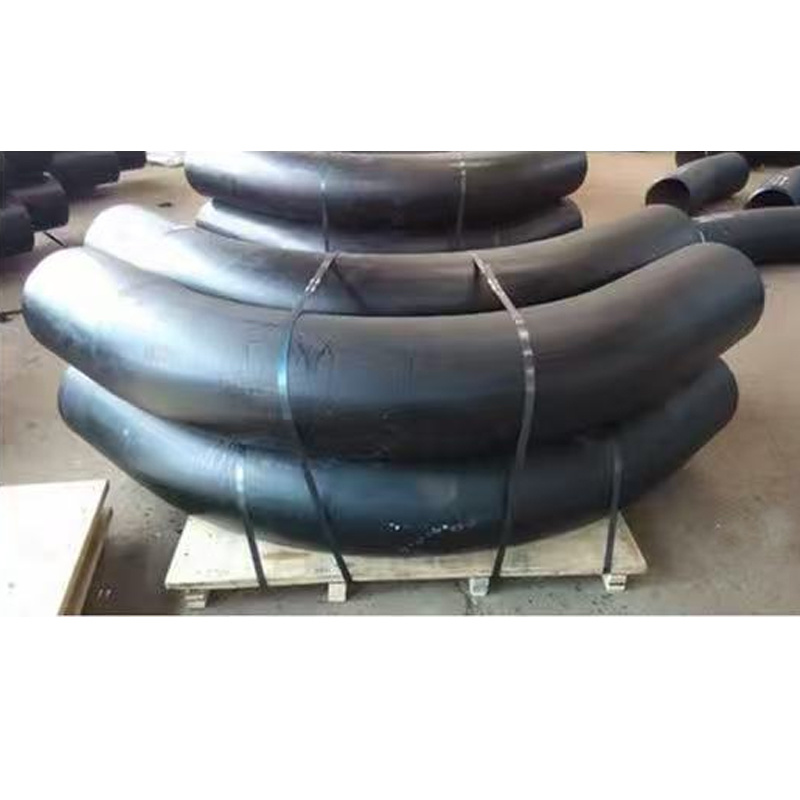
Understanding High-Pressure Plastic-Coated Bends in Industrial Piping Systems
High-pressure plastic-coated bends are critical components in industrial piping systems, especially in applications where durability and resistance to corrosion are paramount. These bends are specifically designed to manage the flow of fluids or gases under high-pressure conditions while maintaining optimal performance and reliability.
The primary function of high-pressure plastic-coated bends is
Sep 13,2026

How to Maintain High-Pressure Alloy Seamless Steel Pipes for Longevity
How to Maintain High-Pressure Alloy Seamless Steel Pipes for Longevity
Table of Contents
Understanding High-Pressure Alloy Seamless Steel Pipes
The Importance of Maintenance for High-Pressure Pipes
Common Challenges in Maintaining High-Pressure Pipes
Best Practices for Maintaining High-Pressure Alloy Seamless Steel Pipes
Regular Inspections and Assessments
Sep 09,2026
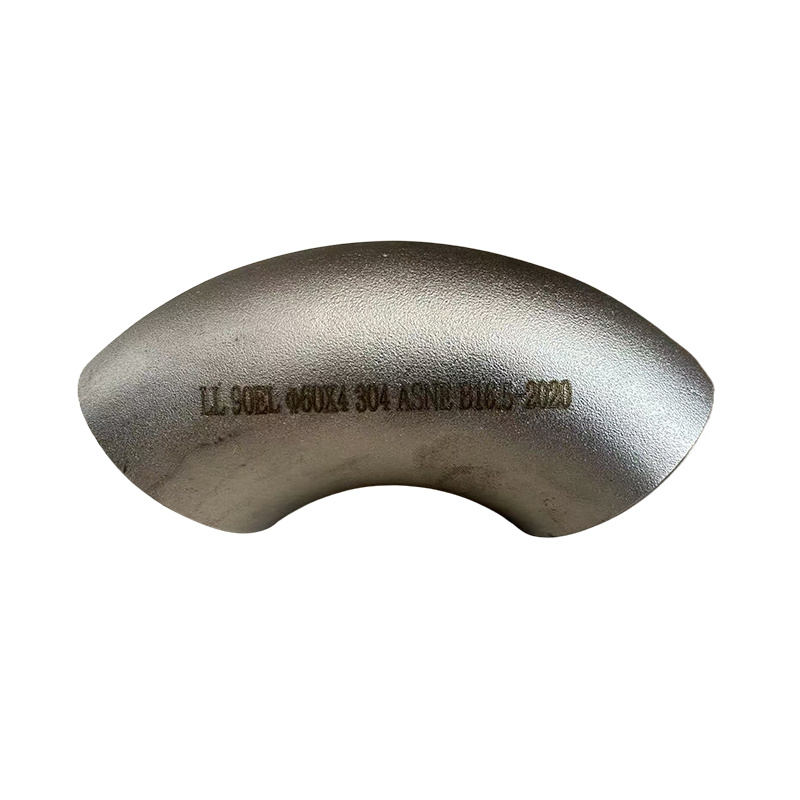
Understanding High-Pressure Alloy Bends: Essential Components for Industrial Piping Systems
High-pressure alloy bends are critical components in the design and operation of industrial piping systems. These bends facilitate the efficient transport of fluids and gases under high-pressure conditions, making them indispensable in various applications, including oil and gas, chemical processing, and power generation.
One of the primary advantages of high-pressure alloy bends is their ability
Sep 05,2026

Service E-mail
Tel
Tel
Address
Room 715, Block A, Qinglin Building, Chentangzhuang, Hexi District, Tianjin
Ask For A Quick Quote
We will contact you within one working day. Please pay attention to your email.