

Real-Time Monitoring Systems for High-Pressure Petroleum Pipelines: Ensuring Safety and Efficiency
Apr 03,2026
Real-Time Monitoring Systems for High-Pressure Petroleum Pipelines: Ensuring Safety and Efficiency
Table of Contents
Introduction to Real-Time Monitoring Systems
The Importance of Real-Time Monitoring in High-Pressure Pipelines
Key Components of Real-Time Monitoring Systems
Technologies Used in Real-Time Monitoring
Data Analytics in Pipeline Monitoring
Regulatory Framework
Real-Time Monitoring Systems for High-Pressure Petroleum Pipelines: Ensuring Safety and Efficiency
Table of Contents
- Introduction to Real-Time Monitoring Systems
- The Importance of Real-Time Monitoring in High-Pressure Pipelines
- Key Components of Real-Time Monitoring Systems
- Technologies Used in Real-Time Monitoring
- Data Analytics in Pipeline Monitoring
- Regulatory Framework Impacting Monitoring Systems
- Challenges in Implementing Monitoring Systems
- The Future of Real-Time Monitoring in the Petroleum Industry
- Conclusion
- Frequently Asked Questions
Introduction to Real-Time Monitoring Systems
In the oil and gas industry, **real-time monitoring systems** play a crucial role in ensuring the safe and efficient operation of **high-pressure petroleum pipelines**. These pipelines are essential for transporting crude oil and natural gas across vast distances, making their integrity and reliability paramount. As pipeline operations grow more complex due to increased demand and regulatory requirements, the need for effective monitoring systems becomes even more critical.
Real-time monitoring involves the continuous observation of pipeline conditions using various technologies, enabling operators to detect anomalies, prevent leaks, and minimize risks associated with high-pressure environments. This article delves deep into the components, technologies, and future prospects of these monitoring systems, as well as their significance in maintaining safety and efficiency within the petroleum sector.
The Importance of Real-Time Monitoring in High-Pressure Pipelines
The **importance of real-time monitoring systems** for high-pressure petroleum pipelines cannot be overstated. The consequences of pipeline failures can be catastrophic, leading not only to environmental disasters but also significant financial losses and reputational damage for companies involved. By implementing effective monitoring systems, petroleum companies can:
Enhance Safety
Monitoring systems help mitigate the risk of accidents by providing early warnings of potential issues such as leaks or pressure fluctuations. Operators can take immediate action to address these problems before they escalate into more severe incidents.
Optimize Operations
Real-time data allows operators to optimize the flow of petroleum through pipelines, adjusting pressures and flows dynamically based on current conditions. This optimization not only improves efficiency but also extends the lifespan of the pipeline infrastructure.
Ensure Regulatory Compliance
The oil and gas industry is heavily regulated, with strict guidelines governing pipeline safety. Real-time monitoring systems help ensure compliance with these regulations by providing accurate and timely data, thus making it easier for companies to adhere to legal requirements.
Key Components of Real-Time Monitoring Systems
Understanding the key components of real-time monitoring systems is crucial for grasping how they function and what makes them effective. Some of the primary components include:
Sensor Technology
Sensors are at the heart of real-time monitoring systems. They measure a variety of parameters, including pressure, temperature, flow rate, and even chemical composition. Advanced sensors can detect minute changes in these variables, providing operators with critical information about the pipeline's condition.
Data Acquisition Systems
Data acquisition systems collect and transmit the data from sensors to central monitoring units. These systems ensure that the information is accurate and reliable, which is vital for effective decision-making.
Communication Networks
Reliable communication networks are essential for transmitting data from remote locations to operators. Many modern systems use wireless communication technologies, allowing for real-time updates regardless of the pipeline's geographical location.
Monitoring Software
The monitoring software analyzes the data collected from sensors and provides operators with actionable insights. This software can identify trends, detect anomalies, and generate alerts when conditions deviate from the norm.
Technologies Used in Real-Time Monitoring
Several technologies are employed in real-time monitoring systems for high-pressure petroleum pipelines, each contributing to the overall effectiveness and efficiency of the monitoring process.
IoT (Internet of Things)
The **Internet of Things (IoT)** has revolutionized pipeline monitoring. IoT devices can be equipped with sensors that collect and send data over the internet, enabling operators to monitor pipeline conditions from anywhere in the world.
Artificial Intelligence
AI algorithms can analyze vast amounts of data to predict potential failures and optimize pipeline operations. Machine learning models can identify patterns that may not be immediately obvious, enabling proactive maintenance strategies.
Remote Sensing
Remote sensing technologies, such as satellite imagery and drones, can provide additional layers of monitoring. These technologies allow for the detection of leaks or structural issues that might not be visible from the ground.
Automated Control Systems
Automated control systems can adjust pipeline operations in real time based on data received from monitoring systems. These systems enhance safety by ensuring that pressures and flows are maintained within safe limits.
Data Analytics in Pipeline Monitoring
Data analytics plays a pivotal role in real-time monitoring systems. The vast amounts of data collected from sensors can be overwhelming, making it essential to analyze this data effectively.
Predictive Analytics
Predictive analytics uses historical data combined with real-time information to forecast potential issues. By identifying patterns and trends, operators can take proactive measures to prevent failures before they occur.
Dashboards and Visualization Tools
Modern monitoring systems often include dashboards that provide visual representations of pipeline conditions. These tools help operators quickly grasp complex data, making it easier to make informed decisions.
Incident Reporting and Response
Data analytics can streamline incident reporting and response procedures. By automating alerts and generating reports, operators can react swiftly to any anomalies, significantly reducing response times.
Regulatory Framework Impacting Monitoring Systems
Compliance with regulatory standards is critical in the petroleum industry. Governments and regulatory bodies impose strict guidelines regarding pipeline safety, which directly impact the implementation of real-time monitoring systems.
Local and National Regulations
In many countries, operators must adhere to local and national regulations that outline specific monitoring requirements. These regulations may dictate the types of sensors used, the frequency of data reporting, and the protocols for responding to anomalies.
International Standards
Organizations such as the American Petroleum Institute (API) and the International Organization for Standardization (ISO) provide international standards that guide pipeline monitoring practices. Compliance with these standards is essential for companies operating in multiple countries.
Challenges in Implementing Monitoring Systems
While the benefits of real-time monitoring systems are clear, implementing these technologies comes with its own set of challenges.
High Initial Costs
The initial investment required for installing monitoring systems can be substantial. Companies must weigh the benefits of enhanced safety and efficiency against the costs associated with technology deployment.
Integration with Existing Infrastructure
Integrating new monitoring systems with existing pipeline infrastructure can be complex. Companies must ensure that the new technologies work seamlessly with older equipment without causing disruptions.
Data Security Concerns
With the increasing reliance on digital technologies, data security has become a significant concern. Operators must implement robust cybersecurity measures to protect sensitive information from cyber threats.
The Future of Real-Time Monitoring in the Petroleum Industry
As technology continues to evolve, so too does the landscape of real-time monitoring systems for high-pressure petroleum pipelines. The future holds promising advancements that will further enhance safety and efficiency.
Increased Automation
The trend towards increased automation will continue, with more processes being managed by sophisticated algorithms. This automation will allow operators to focus on strategic decision-making rather than routine monitoring tasks.
Advanced Predictive Capabilities
Future monitoring systems will likely incorporate even more advanced predictive analytics, utilizing AI and machine learning to forecast potential issues with greater accuracy.
Integration with Smart Cities
As cities become smarter, the integration of pipeline monitoring systems with urban infrastructure will improve overall safety and efficiency. Shared data between systems can help municipalities respond more effectively to emergencies.
Conclusion
Real-time monitoring systems for high-pressure petroleum pipelines are indispensable in today's oil and gas industry. Their ability to enhance safety, optimize operations, and ensure regulatory compliance cannot be underestimated. As technology advances, these systems will continue to evolve, providing even greater capabilities for monitoring and managing pipeline infrastructure. Investing in effective monitoring systems is not just a regulatory requirement; it is a proactive strategy that can save lives, protect the environment, and maintain the integrity of critical energy resources.
Frequently Asked Questions
What are real-time monitoring systems for high-pressure petroleum pipelines?
Real-time monitoring systems involve the continuous observation and analysis of pipeline conditions using advanced technologies to ensure safety and efficiency.
Why are real-time monitoring systems important?
These systems are crucial for preventing accidents, optimizing operations, and ensuring compliance with regulatory standards in the petroleum industry.
What technologies are used in real-time monitoring systems?
Technologies include IoT devices, AI, remote sensing, and automated control systems, all contributing to effective pipeline monitoring.
How does data analytics improve pipeline monitoring?
Data analytics allows for predicting potential issues, visualizing complex data through dashboards, and streamlining incident reporting and response.
What challenges are associated with implementing monitoring systems?
Challenges include high initial costs, integration with existing infrastructure, and data security concerns that need to be addressed for successful implementation.
Key words:
RELATED INFORMATION
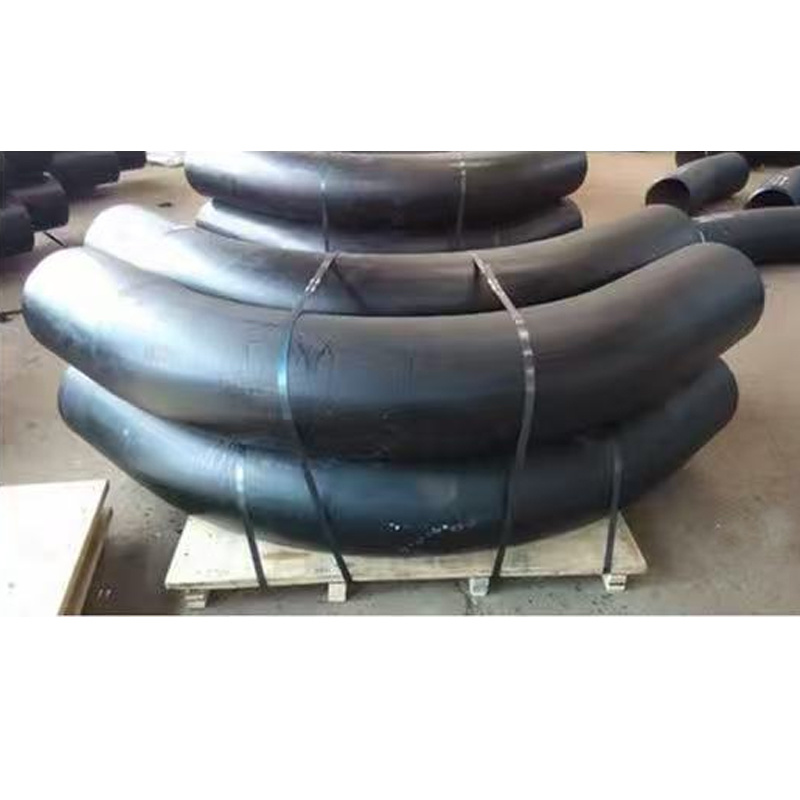
Understanding High-Pressure Plastic-Coated Bends in Industrial Piping Systems
High-pressure plastic-coated bends are critical components in industrial piping systems, especially in applications where durability and resistance to corrosion are paramount. These bends are specifically designed to manage the flow of fluids or gases under high-pressure conditions while maintaining optimal performance and reliability.
The primary function of high-pressure plastic-coated bends is
Sep 13,2026

How to Maintain High-Pressure Alloy Seamless Steel Pipes for Longevity
How to Maintain High-Pressure Alloy Seamless Steel Pipes for Longevity
Table of Contents
Understanding High-Pressure Alloy Seamless Steel Pipes
The Importance of Maintenance for High-Pressure Pipes
Common Challenges in Maintaining High-Pressure Pipes
Best Practices for Maintaining High-Pressure Alloy Seamless Steel Pipes
Regular Inspections and Assessments
Sep 09,2026

Understanding High-Pressure Alloy Bends: Essential Components for Industrial Piping Systems
High-pressure alloy bends are critical components in the design and operation of industrial piping systems. These bends facilitate the efficient transport of fluids and gases under high-pressure conditions, making them indispensable in various applications, including oil and gas, chemical processing, and power generation.
One of the primary advantages of high-pressure alloy bends is their ability
Sep 05,2026

Service E-mail
Tel
Tel
Address
Room 715, Block A, Qinglin Building, Chentangzhuang, Hexi District, Tianjin
Ask For A Quick Quote
We will contact you within one working day. Please pay attention to your email.