

Understanding High-Pressure Plastic-Coated Bends in Industrial Piping Systems
Sep 13,2026
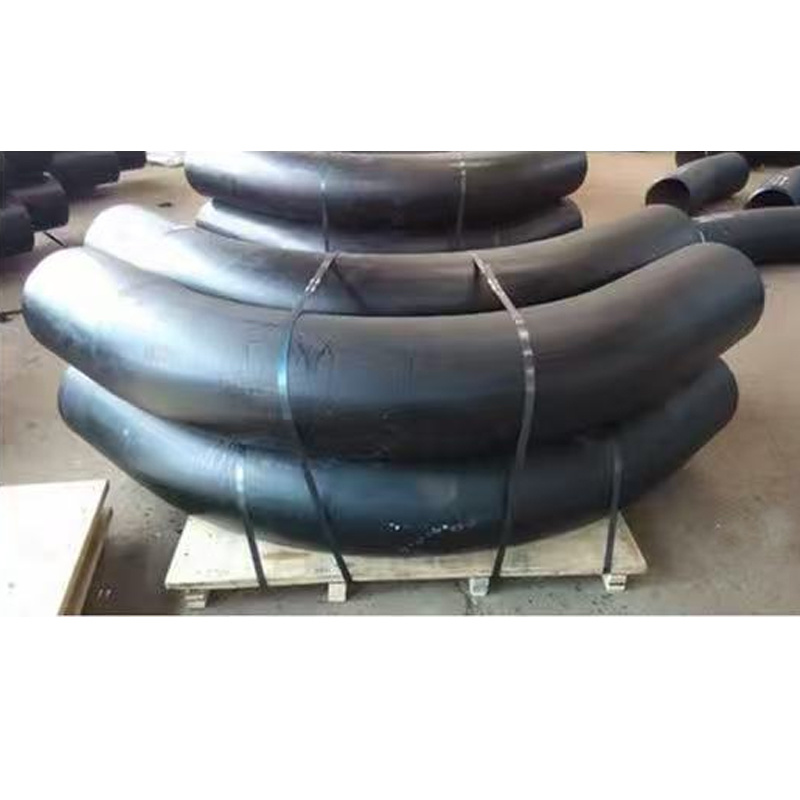
High-pressure plastic-coated bends are critical components in industrial piping systems, especially in applications where durability and resistance to corrosion are paramount. These bends are specifically designed to manage the flow of fluids or gases under high-pressure conditions while maintaining optimal performance and reliability.
The primary function of high-pressure plastic-coated bends is
High-pressure plastic-coated bends are critical components in industrial piping systems, especially in applications where durability and resistance to corrosion are paramount. These bends are specifically designed to manage the flow of fluids or gases under high-pressure conditions while maintaining optimal performance and reliability.
The primary function of high-pressure plastic-coated bends is to facilitate directional changes in piping systems. They enable the smooth transition of flow from one pipe section to another, reducing turbulence and the potential for flow disruptions. This is particularly important in applications involving high-velocity fluids or gases, where sudden directional changes can lead to increased wear on the piping materials and possible system failure.
One of the standout features of high-pressure plastic-coated bends is their enhanced resistance to corrosion and chemical exposure. The plastic coating serves as a protective layer, shielding the underlying metal from harsh environments, including moisture, chemicals, and temperature fluctuations. This is essential in industries such as chemical processing, oil and gas, and wastewater treatment, where the risk of corrosion can compromise the integrity of the entire piping system.
When selecting high-pressure plastic-coated bends, several factors must be considered to ensure compatibility with the specific application. These include the material of the underlying bend, the type of plastic coating, the pressure ratings, and the temperature range in which the bends will operate. Typically, the bends are manufactured from robust materials such as carbon steel or stainless steel, providing the necessary strength to withstand high pressures.
Additionally, the choice of plastic coating—often made from materials like polyethylene or polypropylene—can also affect the performance and longevity of the bends. Each type of coating has unique properties, such as UV resistance, flexibility, and impact resistance, making it crucial to match these characteristics with the environmental conditions they will face in the field.
Another significant advantage of high-pressure plastic-coated bends is their ease of installation and maintenance. The lightweight nature of the plastic-coated bends compared to traditional metal alternatives contributes to simpler handling and reduced labor costs during installation. Furthermore, the superior resistance to wear and tear means that these components may require less frequent replacement, ultimately leading to lower lifecycle costs for industrial piping systems.
In conclusion, high-pressure plastic-coated bends serve an indispensable role in industrial piping, offering durability, corrosion resistance, and operational efficiency. When properly selected and installed, they contribute significantly to the reliability and safety of high-pressure systems, making them a vital consideration for any industry relying on effective fluid or gas transport solutions. By understanding the benefits and applications of high-pressure plastic-coated bends, professionals can make informed decisions that enhance system performance and longevity.
The primary function of high-pressure plastic-coated bends is to facilitate directional changes in piping systems. They enable the smooth transition of flow from one pipe section to another, reducing turbulence and the potential for flow disruptions. This is particularly important in applications involving high-velocity fluids or gases, where sudden directional changes can lead to increased wear on the piping materials and possible system failure.
One of the standout features of high-pressure plastic-coated bends is their enhanced resistance to corrosion and chemical exposure. The plastic coating serves as a protective layer, shielding the underlying metal from harsh environments, including moisture, chemicals, and temperature fluctuations. This is essential in industries such as chemical processing, oil and gas, and wastewater treatment, where the risk of corrosion can compromise the integrity of the entire piping system.
When selecting high-pressure plastic-coated bends, several factors must be considered to ensure compatibility with the specific application. These include the material of the underlying bend, the type of plastic coating, the pressure ratings, and the temperature range in which the bends will operate. Typically, the bends are manufactured from robust materials such as carbon steel or stainless steel, providing the necessary strength to withstand high pressures.
Additionally, the choice of plastic coating—often made from materials like polyethylene or polypropylene—can also affect the performance and longevity of the bends. Each type of coating has unique properties, such as UV resistance, flexibility, and impact resistance, making it crucial to match these characteristics with the environmental conditions they will face in the field.
Another significant advantage of high-pressure plastic-coated bends is their ease of installation and maintenance. The lightweight nature of the plastic-coated bends compared to traditional metal alternatives contributes to simpler handling and reduced labor costs during installation. Furthermore, the superior resistance to wear and tear means that these components may require less frequent replacement, ultimately leading to lower lifecycle costs for industrial piping systems.
In conclusion, high-pressure plastic-coated bends serve an indispensable role in industrial piping, offering durability, corrosion resistance, and operational efficiency. When properly selected and installed, they contribute significantly to the reliability and safety of high-pressure systems, making them a vital consideration for any industry relying on effective fluid or gas transport solutions. By understanding the benefits and applications of high-pressure plastic-coated bends, professionals can make informed decisions that enhance system performance and longevity.
Key words:
RELATED INFORMATION
Understanding High-Pressure Plastic-Coated Bends in Industrial Piping Systems
High-pressure plastic-coated bends are critical components in industrial piping systems, especially in applications where durability and resistance to corrosion are paramount. These bends are specifically designed to manage the flow of fluids or gases under high-pressure conditions while maintaining optimal performance and reliability.
The primary function of high-pressure plastic-coated bends is
Sep 13,2026

How to Maintain High-Pressure Alloy Seamless Steel Pipes for Longevity
How to Maintain High-Pressure Alloy Seamless Steel Pipes for Longevity
Table of Contents
Understanding High-Pressure Alloy Seamless Steel Pipes
The Importance of Maintenance for High-Pressure Pipes
Common Challenges in Maintaining High-Pressure Pipes
Best Practices for Maintaining High-Pressure Alloy Seamless Steel Pipes
Regular Inspections and Assessments
Sep 09,2026
Understanding High-Pressure Alloy Bends: Essential Components for Industrial Piping Systems
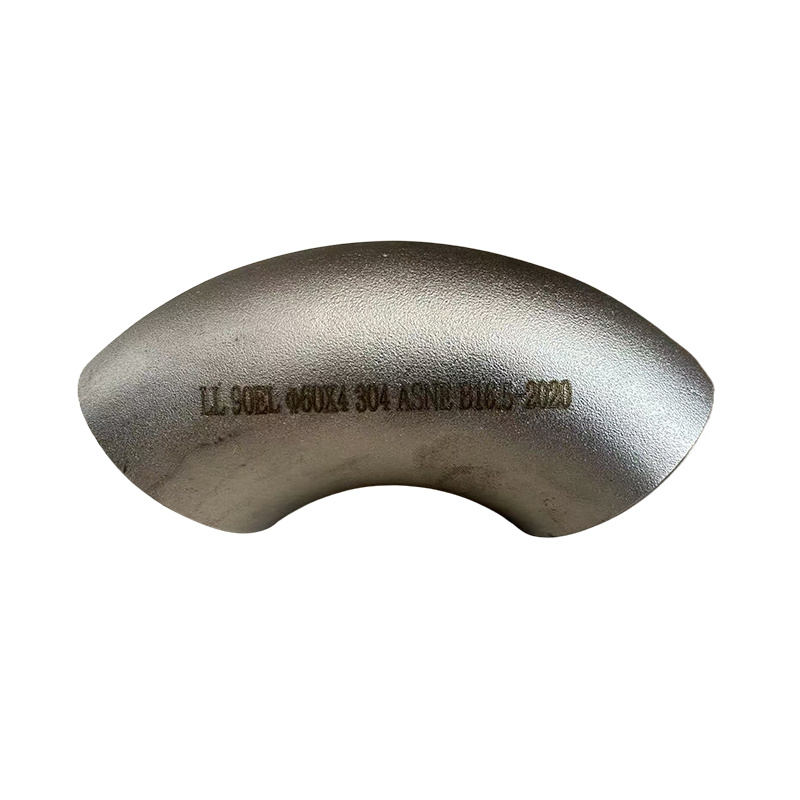
High-pressure alloy bends are critical components in the design and operation of industrial piping systems. These bends facilitate the efficient transport of fluids and gases under high-pressure conditions, making them indispensable in various applications, including oil and gas, chemical processing, and power generation.
One of the primary advantages of high-pressure alloy bends is their ability
Sep 05,2026

Service E-mail
Tel
Tel
Address
Room 715, Block A, Qinglin Building, Chentangzhuang, Hexi District, Tianjin
Ask For A Quick Quote
We will contact you within one working day. Please pay attention to your email.