

How to Maintain High-Pressure Alloy Seamless Steel Pipes for Longevity
Sep 09,2026
How to Maintain High-Pressure Alloy Seamless Steel Pipes for Longevity
Table of Contents
Understanding High-Pressure Alloy Seamless Steel Pipes
The Importance of Maintenance for High-Pressure Pipes
Common Challenges in Maintaining High-Pressure Pipes
Best Practices for Maintaining High-Pressure Alloy Seamless Steel Pipes
Regular Inspections and Assessments
How to Maintain High-Pressure Alloy Seamless Steel Pipes for Longevity
Table of Contents
- Understanding High-Pressure Alloy Seamless Steel Pipes
- The Importance of Maintenance for High-Pressure Pipes
- Common Challenges in Maintaining High-Pressure Pipes
- Best Practices for Maintaining High-Pressure Alloy Seamless Steel Pipes
- Regular Inspections and Assessments
- Corrosion Control Techniques
- Proper Storage and Handling
- Training and Education for Staff
- Frequently Asked Questions
- Conclusion
Understanding High-Pressure Alloy Seamless Steel Pipes
High-pressure alloy seamless steel pipes are critical components in various industrial applications. These pipes are designed to withstand extreme pressures and temperatures, making them ideal for oil and gas, chemical processing, and power generation industries. Their seamless design eliminates weld joints, which are common weak points in welded pipes, thus enhancing their structural integrity and longevity. Understanding their composition, manufacturing process, and specific applications is essential for effective maintenance strategies.
The Importance of Maintenance for High-Pressure Pipes
Maintaining high-pressure alloy seamless steel pipes is not just a matter of ensuring the pipes' lifespan; it directly affects safety, efficiency, and operational costs. Regular maintenance helps prevent catastrophic failures, which can lead to costly downtime, environmental hazards, and potential injuries. By investing in proper maintenance, companies can enhance the reliability of their operations and extend the life of their piping systems.
Common Challenges in Maintaining High-Pressure Pipes
Maintaining high-pressure alloy seamless steel pipes comes with its unique challenges. These can include:
- Corrosion: Exposure to chemicals and moisture can lead to corrosion, weakening the pipes.
- Pressure Fluctuations: Sudden changes in pressure can cause stress and potential failure.
- Temperature Variations: Extreme temperatures can affect the pipes' material properties.
- Wear and Tear: Constant flow and mechanical impact can lead to material degradation.
Identifying and addressing these challenges is essential for effective maintenance.
Best Practices for Maintaining High-Pressure Alloy Seamless Steel Pipes
Implementing best practices ensures the longevity and reliability of high-pressure alloy seamless steel pipes. Here are several key strategies:
1. Conduct Regular Inspections
Regular inspections should be part of a comprehensive maintenance plan. Utilize advanced technologies, such as ultrasonic testing, to monitor for any signs of wear or damage. Inspections should be conducted at predetermined intervals and after any significant operational changes.
2. Establish a Maintenance Schedule
A proactive maintenance schedule helps in systematically addressing potential issues before they escalate. This includes routine checks, cleaning, and any necessary repairs, ensuring that high-pressure pipes remain in optimal condition.
3. Implement Corrosion Prevention Measures
Corrosion is one of the leading causes of failure in high-pressure pipes. To combat this, consider employing protective coatings and cathodic protection systems. Additionally, ensure proper drainage to prevent stagnant water accumulation.
4. Monitor Operational Conditions
Keep track of pressure and temperature fluctuations within the system. Installing pressure relief valves can mitigate the risks associated with unexpected pressure spikes.
5. Train Personnel
Proper training for personnel involved in pipe maintenance is crucial. Understanding the materials, potential risks, and maintenance techniques can significantly enhance the effectiveness of the maintenance program.
Regular Inspections and Assessments
Conducting regular inspections and assessments is vital for maintaining high-pressure alloy seamless steel pipes. This process should involve:
- Visual Inspections: Checking for obvious signs of damage or corrosion.
- Non-Destructive Testing (NDT): Utilizing techniques like ultrasonic testing or radiography to evaluate wall thickness and detect internal flaws.
- Documentation: Keeping detailed records of inspections and maintenance activities to track the condition of pipes over time.
Corrosion Control Techniques
Corrosion control is a fundamental aspect of maintaining high-pressure alloy seamless steel pipes. Effective techniques include:
1. Protective Coatings
Applying protective coatings such as epoxy or polyurethane can create a barrier against corrosive elements.
2. Cathodic Protection
This method uses sacrificial anodes to divert corrosive activity away from the pipes, significantly prolonging their lifespan.
3. Environmental Control
Controlling the environment around the pipes, such as moisture levels and temperature, can prevent corrosion from occurring.
Proper Storage and Handling
Proper storage and handling of high-pressure alloy seamless steel pipes are essential to prevent damage and corrosion during off-site periods. Consider the following guidelines:
- Dry Storage: Store pipes in a dry location to minimize exposure to moisture.
- Protective Wrapping: Use protective wrapping for long-term storage to shield against physical damage and contaminants.
- Avoiding Contact: Ensure that pipes do not contact corrosive materials during storage.
Training and Education for Staff
Investing in the training and education of staff responsible for maintaining high-pressure alloy seamless steel pipes is invaluable. A well-informed team can quickly identify issues and implement the best maintenance practices. Regular training sessions should cover:
- Understanding Pipe Material Properties: Knowledge of the specific alloys used helps in tailoring maintenance strategies.
- Safety Protocols: Emphasizing safety measures reduces the risk of accidents during maintenance tasks.
- Maintenance Techniques: Familiarizing staff with effective maintenance strategies ensures proper execution of tasks.
Frequently Asked Questions
1. How often should high-pressure alloy seamless steel pipes be inspected?
Regular inspections should be conducted at least annually, with more frequent checks after significant operational changes or extreme conditions.
2. What are the signs of corrosion in high-pressure pipes?
Signs of corrosion can include discoloration, pitting, or flaking on the surface and any visible leaks or unusual pressure drops.
3. Can corrosion be completely prevented?
While it is challenging to completely prevent corrosion, implementing effective control measures can significantly reduce its impact.
4. What should I do if I find a defect during an inspection?
Any detected defects should be documented, and a plan for repair or replacement should be initiated immediately to avoid operational risks.
5. Are there specific regulations for maintaining high-pressure pipes?
Yes, various industry regulations and standards govern the maintenance and inspection of high-pressure piping systems. It is essential to stay informed about relevant guidelines.
Conclusion
Maintaining high-pressure alloy seamless steel pipes is crucial for ensuring their longevity and operational efficiency. By implementing regular inspections, employing corrosion control techniques, providing staff training, and adhering to best practices, organizations can significantly enhance the durability and reliability of their piping systems. Investing time and resources in maintenance not only prevents costly failures but also promotes a safer working environment and optimal performance across industrial applications. Through these strategies, businesses can secure the integrity of their high-pressure piping systems for years to come.
Key words:
RELATED INFORMATION
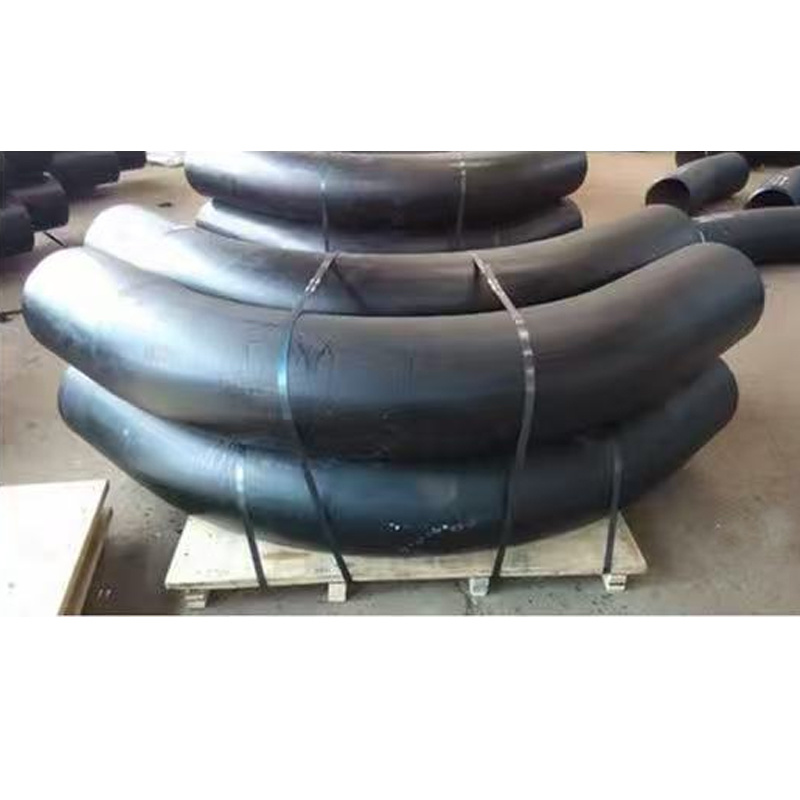
Understanding High-Pressure Plastic-Coated Bends in Industrial Piping Systems
High-pressure plastic-coated bends are critical components in industrial piping systems, especially in applications where durability and resistance to corrosion are paramount. These bends are specifically designed to manage the flow of fluids or gases under high-pressure conditions while maintaining optimal performance and reliability.
The primary function of high-pressure plastic-coated bends is
Sep 13,2026

How to Maintain High-Pressure Alloy Seamless Steel Pipes for Longevity
How to Maintain High-Pressure Alloy Seamless Steel Pipes for Longevity
Table of Contents
Understanding High-Pressure Alloy Seamless Steel Pipes
The Importance of Maintenance for High-Pressure Pipes
Common Challenges in Maintaining High-Pressure Pipes
Best Practices for Maintaining High-Pressure Alloy Seamless Steel Pipes
Regular Inspections and Assessments
Sep 09,2026
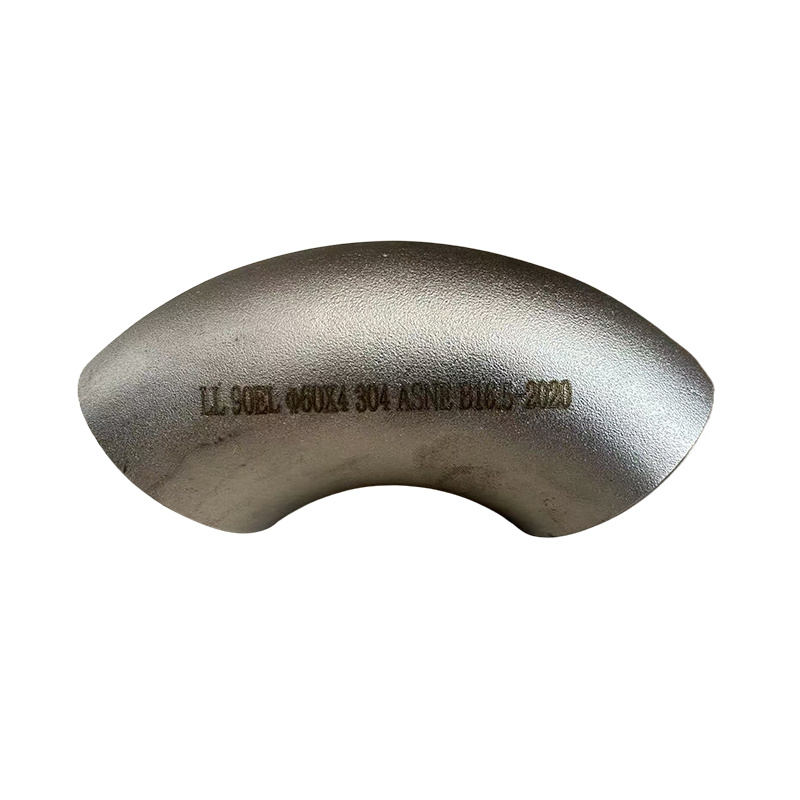
Understanding High-Pressure Alloy Bends: Essential Components for Industrial Piping Systems
High-pressure alloy bends are critical components in the design and operation of industrial piping systems. These bends facilitate the efficient transport of fluids and gases under high-pressure conditions, making them indispensable in various applications, including oil and gas, chemical processing, and power generation.
One of the primary advantages of high-pressure alloy bends is their ability
Sep 05,2026

Service E-mail
Tel
Tel
Address
Room 715, Block A, Qinglin Building, Chentangzhuang, Hexi District, Tianjin
Ask For A Quick Quote
We will contact you within one working day. Please pay attention to your email.