

Understanding High-Pressure Alloy Bends: Essential Components for Industrial Piping Systems
Sep 05,2026
High-pressure alloy bends are critical components in the design and operation of industrial piping systems. These bends facilitate the efficient transport of fluids and gases under high-pressure conditions, making them indispensable in various applications, including oil and gas, chemical processing, and power generation.
One of the primary advantages of high-pressure alloy bends is their ability
High-pressure alloy bends are critical components in the design and operation of industrial piping systems. These bends facilitate the efficient transport of fluids and gases under high-pressure conditions, making them indispensable in various applications, including oil and gas, chemical processing, and power generation.
One of the primary advantages of high-pressure alloy bends is their ability to withstand extreme pressures and temperatures. Typically made from high-strength alloys, these bends exhibit excellent tensile strength, corrosion resistance, and durability. The material selection is crucial, as different alloys possess distinct properties that can significantly affect performance. Common alloys used for manufacturing high-pressure bends include stainless steels and nickel-based alloys, which offer outstanding resistance to oxidation and stress corrosion cracking.
In addition to their robust physical characteristics, high-pressure alloy bends are designed to meet specific industry standards and regulations. Compliance with standards, such as ASME (American Society of Mechanical Engineers) and ASTM (American Society for Testing and Materials), ensures that these bends can be utilized safely in critical applications. Proper certification not only enhances the reliability of the piping system but also contributes to overall operational safety.
Installation and maintenance of high-pressure alloy bends require careful consideration. Proper alignment during installation is essential to minimize stress concentrations that could lead to premature failure. Additionally, regular inspections and maintenance practices, such as non-destructive testing (NDT), help identify potential issues before they escalate. Implementing preventive measures can extend the lifespan of these components and enhance the overall efficiency of the piping system.
Another important aspect to consider is the manufacturing process of high-pressure alloy bends. These bends are often produced through processes such as bending, welding, and machining. Advanced techniques, including cold bending and hot forming, are employed to ensure that the bends maintain their integrity and performance characteristics. The manufacturing process can greatly influence the final product, making it essential to choose a reputable supplier that adheres to strict quality control measures.
In conclusion, high-pressure alloy bends play a vital role in the functionality and reliability of industrial piping systems. By understanding the materials, manufacturing processes, and best practices for installation and maintenance, professionals can optimize their piping designs for improved safety and efficiency. Whether in the oil and gas sector or chemical processing plants, high-pressure alloy bends are indispensable for ensuring the seamless transportation of fluids under challenging conditions.
One of the primary advantages of high-pressure alloy bends is their ability to withstand extreme pressures and temperatures. Typically made from high-strength alloys, these bends exhibit excellent tensile strength, corrosion resistance, and durability. The material selection is crucial, as different alloys possess distinct properties that can significantly affect performance. Common alloys used for manufacturing high-pressure bends include stainless steels and nickel-based alloys, which offer outstanding resistance to oxidation and stress corrosion cracking.
In addition to their robust physical characteristics, high-pressure alloy bends are designed to meet specific industry standards and regulations. Compliance with standards, such as ASME (American Society of Mechanical Engineers) and ASTM (American Society for Testing and Materials), ensures that these bends can be utilized safely in critical applications. Proper certification not only enhances the reliability of the piping system but also contributes to overall operational safety.
Installation and maintenance of high-pressure alloy bends require careful consideration. Proper alignment during installation is essential to minimize stress concentrations that could lead to premature failure. Additionally, regular inspections and maintenance practices, such as non-destructive testing (NDT), help identify potential issues before they escalate. Implementing preventive measures can extend the lifespan of these components and enhance the overall efficiency of the piping system.
Another important aspect to consider is the manufacturing process of high-pressure alloy bends. These bends are often produced through processes such as bending, welding, and machining. Advanced techniques, including cold bending and hot forming, are employed to ensure that the bends maintain their integrity and performance characteristics. The manufacturing process can greatly influence the final product, making it essential to choose a reputable supplier that adheres to strict quality control measures.
In conclusion, high-pressure alloy bends play a vital role in the functionality and reliability of industrial piping systems. By understanding the materials, manufacturing processes, and best practices for installation and maintenance, professionals can optimize their piping designs for improved safety and efficiency. Whether in the oil and gas sector or chemical processing plants, high-pressure alloy bends are indispensable for ensuring the seamless transportation of fluids under challenging conditions.
Key words:
RELATED INFORMATION
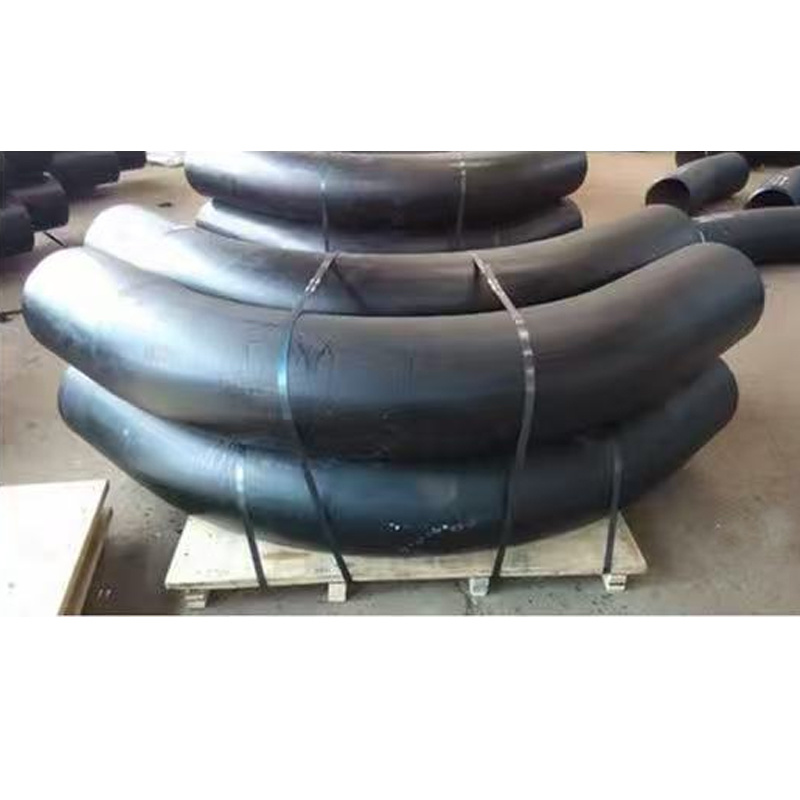
Understanding High-Pressure Plastic-Coated Bends in Industrial Piping Systems
High-pressure plastic-coated bends are critical components in industrial piping systems, especially in applications where durability and resistance to corrosion are paramount. These bends are specifically designed to manage the flow of fluids or gases under high-pressure conditions while maintaining optimal performance and reliability.
The primary function of high-pressure plastic-coated bends is
Sep 13,2026

How to Maintain High-Pressure Alloy Seamless Steel Pipes for Longevity
How to Maintain High-Pressure Alloy Seamless Steel Pipes for Longevity
Table of Contents
Understanding High-Pressure Alloy Seamless Steel Pipes
The Importance of Maintenance for High-Pressure Pipes
Common Challenges in Maintaining High-Pressure Pipes
Best Practices for Maintaining High-Pressure Alloy Seamless Steel Pipes
Regular Inspections and Assessments
Sep 09,2026
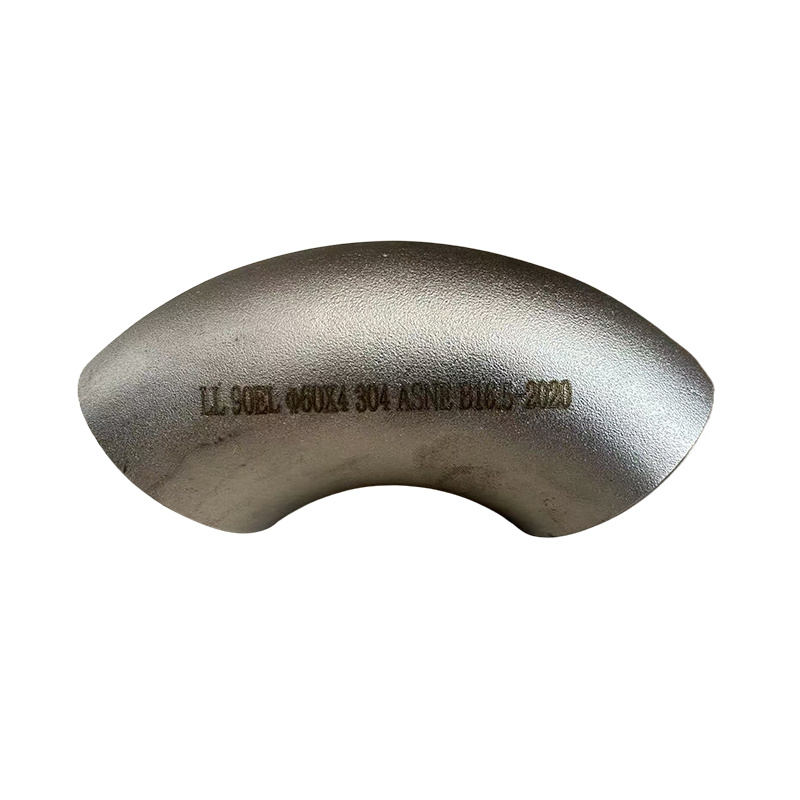
Understanding High-Pressure Alloy Bends: Essential Components for Industrial Piping Systems
High-pressure alloy bends are critical components in the design and operation of industrial piping systems. These bends facilitate the efficient transport of fluids and gases under high-pressure conditions, making them indispensable in various applications, including oil and gas, chemical processing, and power generation.
One of the primary advantages of high-pressure alloy bends is their ability
Sep 05,2026

Service E-mail
Tel
Tel
Address
Room 715, Block A, Qinglin Building, Chentangzhuang, Hexi District, Tianjin
Ask For A Quick Quote
We will contact you within one working day. Please pay attention to your email.