

Project Management Strategies for High-Pressure Petroleum Pipeline Projects
Sep 01,2026
Project Management Strategies for High-Pressure Petroleum Pipeline Projects
Introduction to High-Pressure Petroleum Pipeline Projects
High-pressure petroleum pipelines play a vital role in the transportation of crude oil and natural gas. As the demand for energy continues to grow, the need for efficient and effective project management strategies has never been more critical. In this article, we w
Project Management Strategies for High-Pressure Petroleum Pipeline Projects
Introduction to High-Pressure Petroleum Pipeline Projects
High-pressure petroleum pipelines play a vital role in the transportation of crude oil and natural gas. As the demand for energy continues to grow, the need for efficient and effective project management strategies has never been more critical. In this article, we will explore comprehensive project management strategies specifically designed for high-pressure petroleum pipeline projects, ensuring safety, efficiency, and compliance with industry regulations.
The Importance of Effective Project Management
Effective project management is essential for the success of any high-pressure petroleum pipeline project. With numerous stakeholders involved, potential risks, and strict regulatory requirements, a well-structured project management approach ensures that projects are completed on time, within budget, and to the required quality standards.
Key Components of Project Management
To effectively manage high-pressure petroleum pipeline projects, it is crucial to understand the key components of project management:
1. **Project Planning**: Developing a comprehensive project plan that outlines objectives, timelines, resources, and stakeholders is essential for guiding the project from inception to completion.
2. **Risk Management**: Identifying, assessing, and mitigating risks is vital for minimizing the potential for project delays and cost overruns.
3. **Stakeholder Engagement**: Engaging with stakeholders, including contractors, government agencies, and local communities, is crucial for ensuring project success and addressing any concerns that may arise.
4. **Quality Control**: Implementing quality control measures throughout the project lifecycle helps maintain safety standards and ensures that the final product meets regulatory requirements.
Project Planning Strategies for Pipeline Projects
Effective project planning sets the foundation for successful pipeline projects. Here are key strategies to implement during the planning phase:
1. Defining Project Scope
Clearly defining the project scope helps establish boundaries and expectations. This includes identifying the specific pipeline routes, materials, and technology to be used. A well-defined scope minimizes the risk of scope creep, which can lead to increased costs and extended timelines.
2. Establishing a Realistic Timeline
A realistic timeline is crucial for managing expectations and ensuring timely project completion. Utilize project management tools to create a detailed schedule that includes milestones, deadlines, and dependencies between tasks.
3. Resource Allocation
Efficient resource allocation is essential for optimizing project performance. Assess the resources required for each phase of the project, including labor, materials, and equipment. Ensure that resources are available when needed to avoid delays.
4. Budgeting and Financial Management
Developing a comprehensive budget that accounts for all project costs is vital. Include contingencies for unexpected expenses and regularly monitor expenses against the budget to maintain financial control throughout the project.
Risk Management Techniques for High-Pressure Pipeline Projects
Managing risks effectively is a cornerstone of project management for high-pressure petroleum pipelines. Implement the following techniques to mitigate risks:
1. Risk Identification
Regularly conduct risk assessments throughout the project lifecycle. Identify potential risks related to environmental impacts, regulatory compliance, and safety hazards. Encourage team members to report any concerns or unforeseen risks.
2. Risk Assessment and Prioritization
Once risks are identified, assess their potential impact and likelihood. Prioritize risks based on their severity and develop strategies to address the most critical ones first.
3. Risk Mitigation Strategies
Implement strategies to mitigate identified risks. This may include investing in advanced technology, adopting new safety procedures, or employing skilled labor to manage complex tasks. Routine training and safety drills can also help minimize risks.
Stakeholder Engagement and Communication
Effective stakeholder engagement is crucial for the success of high-pressure petroleum pipeline projects. Here are strategies to enhance communication and collaboration:
1. Identifying Stakeholders
Identify all stakeholders involved in the project, including local communities, regulatory bodies, and contractors. Understanding their interests and concerns is essential for fostering collaboration.
2. Establishing Communication Channels
Create clear communication channels to facilitate information sharing among stakeholders. Regularly update stakeholders on project progress, changes, and any potential issues that may arise.
3. Building Trust and Collaboration
Foster a culture of trust and collaboration among stakeholders. Address concerns proactively and seek feedback to ensure that stakeholders feel heard and valued.
Quality Control Measures for High-Pressure Pipeline Projects
Implementing robust quality control measures is essential for ensuring that high-pressure petroleum pipeline projects adhere to safety standards and regulatory requirements. Consider the following strategies:
1. Quality Assurance Plans
Develop comprehensive quality assurance plans that outline the standards and procedures to be followed. Ensure that all team members are trained on quality control practices.
2. Regular Inspections and Testing
Conduct regular inspections and testing throughout the project lifecycle. This includes material testing, weld inspections, and pressure testing to ensure that the pipeline meets safety standards.
3. Documentation and Reporting
Maintain thorough documentation of all quality control processes, inspections, and tests. This documentation is essential for regulatory compliance and can serve as a reference for future projects.
Embracing Technology in Project Management
The integration of technology can significantly enhance project management for high-pressure petroleum pipelines. Consider the following technological advancements:
1. Project Management Software
Utilize advanced project management software to streamline planning, resource allocation, and communication. These tools can help track progress, manage budgets, and facilitate collaboration among team members.
2. Geographic Information Systems (GIS)
GIS technology can assist in route planning and environmental assessments. By analyzing geographic data, project managers can identify optimal pipeline routes while minimizing environmental impacts.
3. Drones and Remote Sensing
Drones and remote sensing technologies can be employed for aerial inspections and monitoring. This technology allows for real-time data collection, enhancing safety and efficiency during construction and maintenance.
Conclusion
Successfully managing high-pressure petroleum pipeline projects requires a comprehensive approach that encompasses effective planning, risk management, stakeholder engagement, and quality control. By implementing the strategies outlined in this article, project managers can enhance project efficiency, ensure safety, and achieve regulatory compliance. As the energy industry continues to evolve, embracing innovative technologies and fostering collaboration among stakeholders will be essential for the success of future pipeline projects.
FAQs
1. What are the key phases of a high-pressure petroleum pipeline project?
The key phases typically include project planning, design, construction, inspection, and maintenance.
2. How can I improve stakeholder engagement during a pipeline project?
Establish clear communication channels, provide regular updates, and actively seek feedback from stakeholders.
3. What are common risks associated with high-pressure petroleum pipeline projects?
Common risks include environmental impacts, regulatory compliance issues, and safety hazards associated with high-pressure systems.
4. Why is quality control essential in pipeline projects?
Quality control ensures that the pipeline meets safety standards and regulatory requirements, reducing the risk of leaks and other safety incidents.
5. How can technology enhance project management for pipeline projects?
Technology can streamline planning, improve communication, and enhance inspections through tools like project management software and GIS systems.
Key words:
RELATED INFORMATION
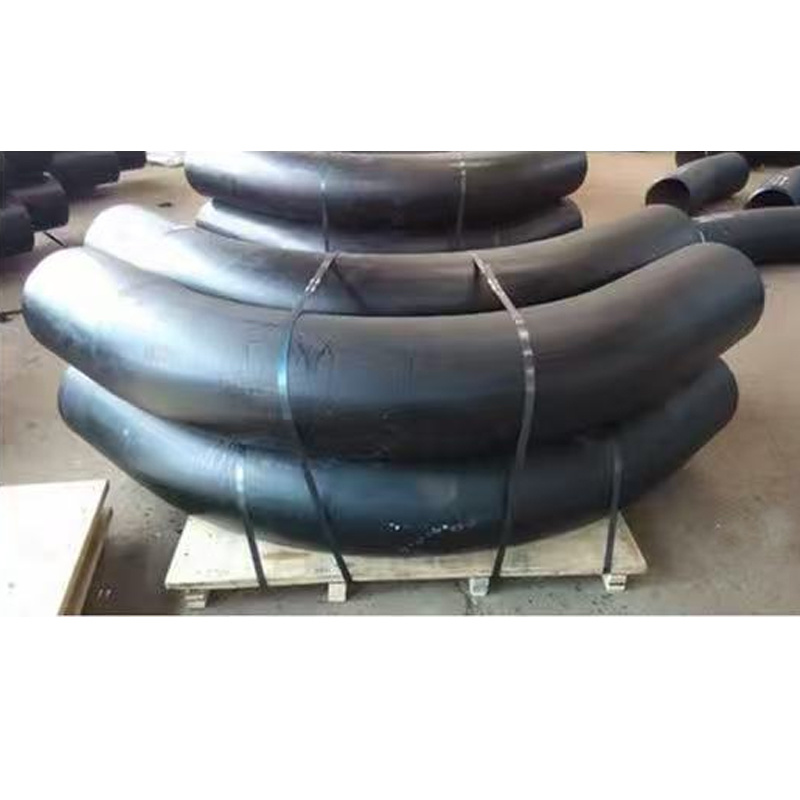
Understanding High-Pressure Plastic-Coated Bends in Industrial Piping Systems
High-pressure plastic-coated bends are critical components in industrial piping systems, especially in applications where durability and resistance to corrosion are paramount. These bends are specifically designed to manage the flow of fluids or gases under high-pressure conditions while maintaining optimal performance and reliability.
The primary function of high-pressure plastic-coated bends is
Sep 13,2026

How to Maintain High-Pressure Alloy Seamless Steel Pipes for Longevity
How to Maintain High-Pressure Alloy Seamless Steel Pipes for Longevity
Table of Contents
Understanding High-Pressure Alloy Seamless Steel Pipes
The Importance of Maintenance for High-Pressure Pipes
Common Challenges in Maintaining High-Pressure Pipes
Best Practices for Maintaining High-Pressure Alloy Seamless Steel Pipes
Regular Inspections and Assessments
Sep 09,2026

Understanding High-Pressure Alloy Bends: Essential Components for Industrial Piping Systems
High-pressure alloy bends are critical components in the design and operation of industrial piping systems. These bends facilitate the efficient transport of fluids and gases under high-pressure conditions, making them indispensable in various applications, including oil and gas, chemical processing, and power generation.
One of the primary advantages of high-pressure alloy bends is their ability
Sep 05,2026

Service E-mail
Tel
Tel
Address
Room 715, Block A, Qinglin Building, Chentangzhuang, Hexi District, Tianjin
Ask For A Quick Quote
We will contact you within one working day. Please pay attention to your email.