

A Comprehensive Guide to Reducers in Industrial Piping Systems
Aug 28,2026
In industrial piping systems, reducers are essential components that facilitate the transition between different pipe diameters. They serve a crucial function in various applications, allowing for the smooth flow of liquids and gases while optimizing system performance. Reducers are typically categorized into two types: concentric and eccentric. Each type has unique characteristics that make them
In industrial piping systems, reducers are essential components that facilitate the transition between different pipe diameters. They serve a crucial function in various applications, allowing for the smooth flow of liquids and gases while optimizing system performance. Reducers are typically categorized into two types: concentric and eccentric. Each type has unique characteristics that make them suitable for specific scenarios.
Concentric reducers are designed with a symmetrical shape, allowing for a gradual change in diameter. This design is ideal for vertical piping systems where the flow direction is consistent. On the other hand, eccentric reducers are flat on one side, which makes them better suited for horizontal piping systems. They help maintain a consistent flow level, reducing the risk of air pockets and enhancing overall system efficiency.
The primary function of reducers is to manage changes in flow rates and pressures. When a fluid travels through a piping system, it often encounters sections of varying diameters. A reducer allows for a seamless transition between these sections, minimizing turbulence and pressure loss. This is particularly important in applications where fluid dynamics play a significant role, such as in chemical processing, water treatment, and HVAC systems.
Moreover, using reducers can lead to significant energy savings. By ensuring a more streamlined flow, reducers enable pumps and compressors to operate more efficiently, which can result in lower energy consumption. This not only cuts operational costs but also contributes to a more sustainable industrial operation.
In addition to their functional benefits, reducers can also be manufactured from a variety of materials, including steel, plastic, and alloys, depending on the specific requirements of the application. The choice of material affects the durability, corrosion resistance, and overall performance of the reducer. Therefore, selecting the appropriate material is critical to the long-term success of the piping system.
It's also important to consider the installation process when integrating reducers into your piping network. Proper installation ensures that the reducer performs optimally and minimizes the risk of leaks or failures. Regular maintenance and inspections are crucial to detect any potential issues early, allowing for timely interventions that can prevent costly downtime.
In summary, reducers are vital components in industrial piping systems that facilitate efficient fluid flow and pressure management. Understanding their types, functions, and appropriate applications can significantly enhance the performance of your industrial operations. Whether you are involved in the chemical, water treatment, or HVAC sectors, investing in high-quality reducers tailored to your specific needs can lead to improved efficiency and cost savings over time.
Concentric reducers are designed with a symmetrical shape, allowing for a gradual change in diameter. This design is ideal for vertical piping systems where the flow direction is consistent. On the other hand, eccentric reducers are flat on one side, which makes them better suited for horizontal piping systems. They help maintain a consistent flow level, reducing the risk of air pockets and enhancing overall system efficiency.
The primary function of reducers is to manage changes in flow rates and pressures. When a fluid travels through a piping system, it often encounters sections of varying diameters. A reducer allows for a seamless transition between these sections, minimizing turbulence and pressure loss. This is particularly important in applications where fluid dynamics play a significant role, such as in chemical processing, water treatment, and HVAC systems.
Moreover, using reducers can lead to significant energy savings. By ensuring a more streamlined flow, reducers enable pumps and compressors to operate more efficiently, which can result in lower energy consumption. This not only cuts operational costs but also contributes to a more sustainable industrial operation.
In addition to their functional benefits, reducers can also be manufactured from a variety of materials, including steel, plastic, and alloys, depending on the specific requirements of the application. The choice of material affects the durability, corrosion resistance, and overall performance of the reducer. Therefore, selecting the appropriate material is critical to the long-term success of the piping system.
It's also important to consider the installation process when integrating reducers into your piping network. Proper installation ensures that the reducer performs optimally and minimizes the risk of leaks or failures. Regular maintenance and inspections are crucial to detect any potential issues early, allowing for timely interventions that can prevent costly downtime.
In summary, reducers are vital components in industrial piping systems that facilitate efficient fluid flow and pressure management. Understanding their types, functions, and appropriate applications can significantly enhance the performance of your industrial operations. Whether you are involved in the chemical, water treatment, or HVAC sectors, investing in high-quality reducers tailored to your specific needs can lead to improved efficiency and cost savings over time.
Key words:
RELATED INFORMATION
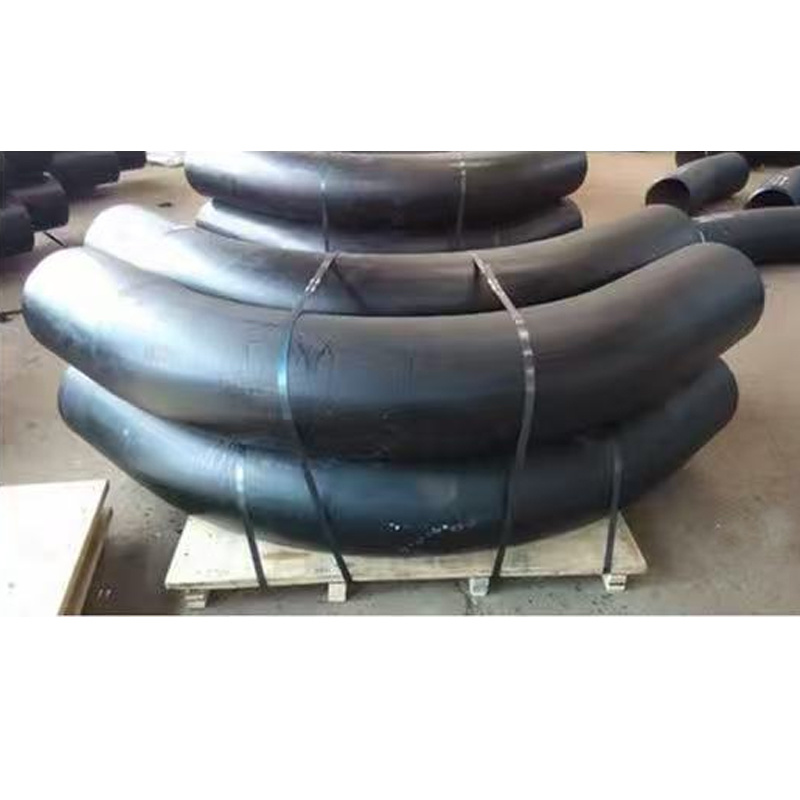
Understanding High-Pressure Plastic-Coated Bends in Industrial Piping Systems
High-pressure plastic-coated bends are critical components in industrial piping systems, especially in applications where durability and resistance to corrosion are paramount. These bends are specifically designed to manage the flow of fluids or gases under high-pressure conditions while maintaining optimal performance and reliability.
The primary function of high-pressure plastic-coated bends is
Sep 13,2026

How to Maintain High-Pressure Alloy Seamless Steel Pipes for Longevity
How to Maintain High-Pressure Alloy Seamless Steel Pipes for Longevity
Table of Contents
Understanding High-Pressure Alloy Seamless Steel Pipes
The Importance of Maintenance for High-Pressure Pipes
Common Challenges in Maintaining High-Pressure Pipes
Best Practices for Maintaining High-Pressure Alloy Seamless Steel Pipes
Regular Inspections and Assessments
Sep 09,2026
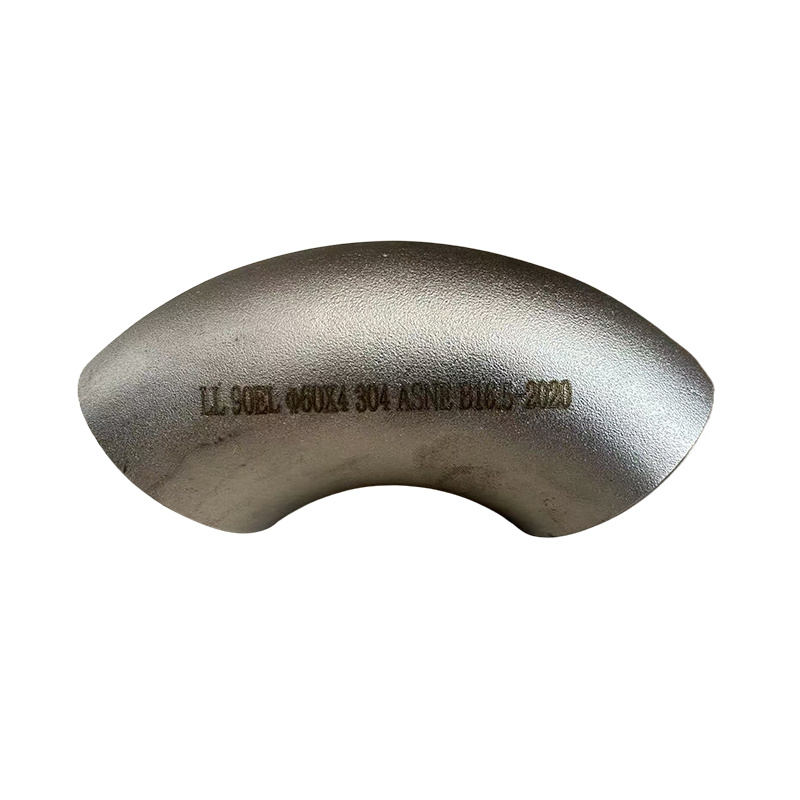
Understanding High-Pressure Alloy Bends: Essential Components for Industrial Piping Systems
High-pressure alloy bends are critical components in the design and operation of industrial piping systems. These bends facilitate the efficient transport of fluids and gases under high-pressure conditions, making them indispensable in various applications, including oil and gas, chemical processing, and power generation.
One of the primary advantages of high-pressure alloy bends is their ability
Sep 05,2026

Service E-mail
Tel
Tel
Address
Room 715, Block A, Qinglin Building, Chentangzhuang, Hexi District, Tianjin
Ask For A Quick Quote
We will contact you within one working day. Please pay attention to your email.