

Exploring the Benefits of Plastic-Coated Pipe in Industrial Applications
Dec 01,2025
Exploring the Benefits of Plastic-Coated Pipe in Industrial Applications
Table of Contents
1. Introduction to Plastic-Coated Pipes
2. Key Advantages of Plastic-Coated Pipes
2.1 Exceptional Corrosion Resistance
2.2 Enhanced Durability and Longevity
2.3 Cost-Effectiveness Over Time
2.4 Thermal Insulation Properties
3. Ind
Exploring the Benefits of Plastic-Coated Pipe in Industrial Applications
Table of Contents
- 1. Introduction to Plastic-Coated Pipes
- 2. Key Advantages of Plastic-Coated Pipes
- 2.1 Exceptional Corrosion Resistance
- 2.2 Enhanced Durability and Longevity
- 2.3 Cost-Effectiveness Over Time
- 2.4 Thermal Insulation Properties
- 3. Industrial Applications of Plastic-Coated Pipe
- 4. Installation and Maintenance of Plastic-Coated Pipes
- 5. Factors to Consider When Choosing Plastic-Coated Pipes
- 6. Frequently Asked Questions (FAQs)
- 7. Conclusion
1. Introduction to Plastic-Coated Pipes
In industrial settings, the choice of piping materials is crucial for ensuring **operational efficiency, safety, and longevity**. **Plastic-coated pipes** have emerged as a preferred option due to their unique blend of properties that enhance their performance in various applications. These pipes consist of a durable metal core, typically steel, encased in a protective plastic layer. This innovative design not only addresses the limitations of traditional piping materials but also provides a versatile solution suited for numerous industrial environments.
2. Key Advantages of Plastic-Coated Pipes
Plastic-coated pipes offer a myriad of benefits that make them an attractive choice in the industrial sector. Below, we explore some of the most significant advantages.
2.1 Exceptional Corrosion Resistance
One of the standout features of plastic-coated pipes is their **superior corrosion resistance**. The plastic layer effectively shields the metal core from harsh environmental conditions, including moisture, chemicals, and salt. This characteristic is particularly important for industries where pipes are exposed to corrosive substances, as it significantly reduces the risk of rust and degradation.
2.2 Enhanced Durability and Longevity
The combination of metal strength and plastic protection grants **enhanced durability** to plastic-coated pipes. These pipes are designed to withstand external forces, including shock and impact, making them suitable for high-demand applications. Their longevity means less frequent replacements, leading to increased operational efficiency and reduced downtime.
2.3 Cost-Effectiveness Over Time
While the initial investment in plastic-coated pipes may be higher than traditional materials, their **cost-effectiveness over time** is undeniable. The longevity and reduced maintenance requirements translate into significant savings for industrial operations. Additionally, the decreased likelihood of leakage and related damage can prevent costly repairs and the associated downtime.
2.4 Thermal Insulation Properties
Plastic-coated pipes also provide excellent **thermal insulation**. This property is essential in applications where temperature control is critical. The insulation helps maintain the desired temperature of the substances passing through the pipes, improving overall efficiency and performance.
3. Industrial Applications of Plastic-Coated Pipe
Plastic-coated pipes are utilized across a range of industrial sectors. Their versatility makes them suitable for various applications.
3.1 Oil and Gas Industry
In the oil and gas sector, plastic-coated pipes are invaluable. They effectively transport corrosive fluids and gases while resisting the harsh environmental conditions often encountered in this industry. Their durability ensures reliability, making them a preferred choice for pipelines.
3.2 Water Treatment Facilities
Water treatment facilities benefit from the use of plastic-coated pipes due to their resistance to corrosion and chemical exposure. These pipes help maintain the quality of water while ensuring efficient transport throughout the treatment process.
3.3 Chemical Processing Plants
Chemical processing plants frequently require materials that can handle aggressive chemicals without degradation. Plastic-coated pipes meet this demand, providing a safe and effective means of transporting various chemicals throughout the facility.
4. Installation and Maintenance of Plastic-Coated Pipes
The installation of plastic-coated pipes requires careful consideration to ensure optimal performance. **Proper installation techniques** are crucial to avoid potential issues, such as leaks. It's advisable to enlist trained professionals familiar with the specific requirements of plastic-coated pipe systems.
Once installed, maintaining plastic-coated pipes is relatively straightforward. Regular inspections and cleaning can help prolong their lifespan. Notably, the resistance to corrosion and wear minimizes the need for frequent replacements.
5. Factors to Consider When Choosing Plastic-Coated Pipes
When selecting plastic-coated pipes for industrial applications, several factors should be considered:
- **Application Requirements**: Understand the specific needs of the application, including the types of substances being transported and environmental conditions.
- **Pipe Size and Thickness**: Choose the appropriate size and thickness to ensure adequate flow rates and structural integrity.
- **Temperature Ratings**: Ensure that the selected pipes can withstand the temperature ranges associated with their intended use.
- **Certification and Compliance**: Verify that the pipes meet industry standards and regulations to ensure safety and reliability.
6. Frequently Asked Questions (FAQs)
1. What materials are used in plastic-coated pipes?
Plastic-coated pipes typically consist of a metal core, often steel, encased in a layer of durable plastic, such as polyethylene or PVC.
2. How long do plastic-coated pipes last?
With proper installation and maintenance, plastic-coated pipes can last several decades, significantly reducing the need for frequent replacements.
3. Can plastic-coated pipes be used for high-temperature applications?
Yes, plastic-coated pipes can be engineered to withstand high temperatures, but it is essential to select the appropriate type of plastic coating for the specific temperature range.
4. Are plastic-coated pipes suitable for outdoor use?
Absolutely. The corrosion-resistant properties of plastic-coated pipes make them ideal for outdoor environments where exposure to moisture and other harsh conditions is common.
5. What is the installation process for plastic-coated pipes?
The installation process involves standard pipeline installation practices, including cutting, joining, and securing the pipes. It is advisable to use trained professionals to ensure proper installation.
7. Conclusion
In conclusion, plastic-coated pipes present a multitude of benefits that make them a superior choice in various industrial applications. Their **corrosion resistance**, **durability**, and **cost-effectiveness** position them as essential components for modern industrial infrastructure. As industries continue to evolve and face new challenges, the adoption of innovative materials like plastic-coated pipes will pave the way for enhanced operational efficiency and reliability. By understanding their advantages and applications, industries can make informed decisions that contribute to long-term success and sustainability.
Key words:
RELATED INFORMATION
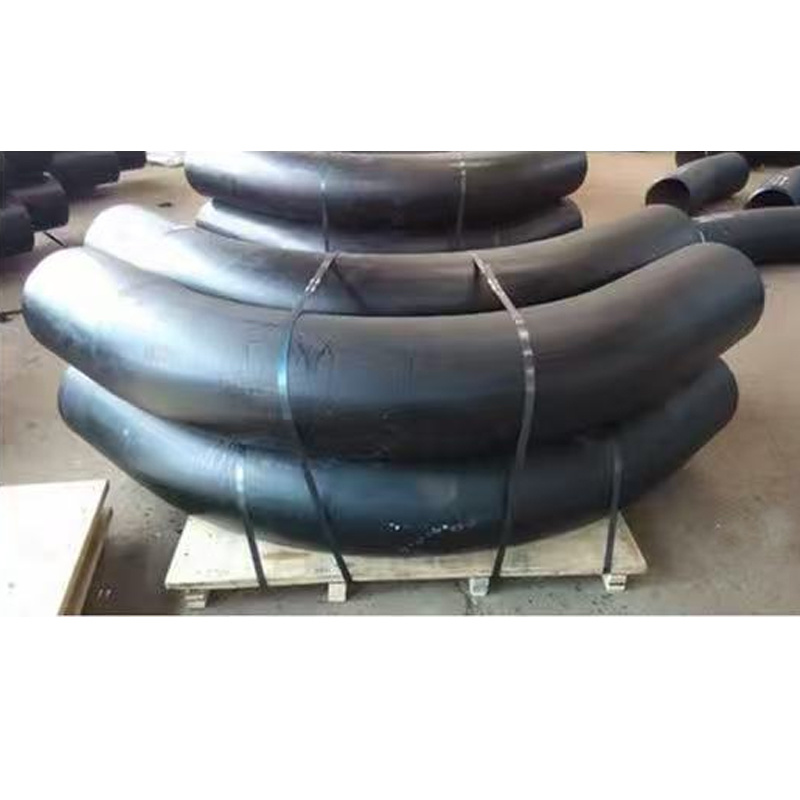
Understanding High-Pressure Plastic-Coated Bends in Industrial Piping Systems
High-pressure plastic-coated bends are critical components in industrial piping systems, especially in applications where durability and resistance to corrosion are paramount. These bends are specifically designed to manage the flow of fluids or gases under high-pressure conditions while maintaining optimal performance and reliability.
The primary function of high-pressure plastic-coated bends is
Sep 13,2026

How to Maintain High-Pressure Alloy Seamless Steel Pipes for Longevity
How to Maintain High-Pressure Alloy Seamless Steel Pipes for Longevity
Table of Contents
Understanding High-Pressure Alloy Seamless Steel Pipes
The Importance of Maintenance for High-Pressure Pipes
Common Challenges in Maintaining High-Pressure Pipes
Best Practices for Maintaining High-Pressure Alloy Seamless Steel Pipes
Regular Inspections and Assessments
Sep 09,2026
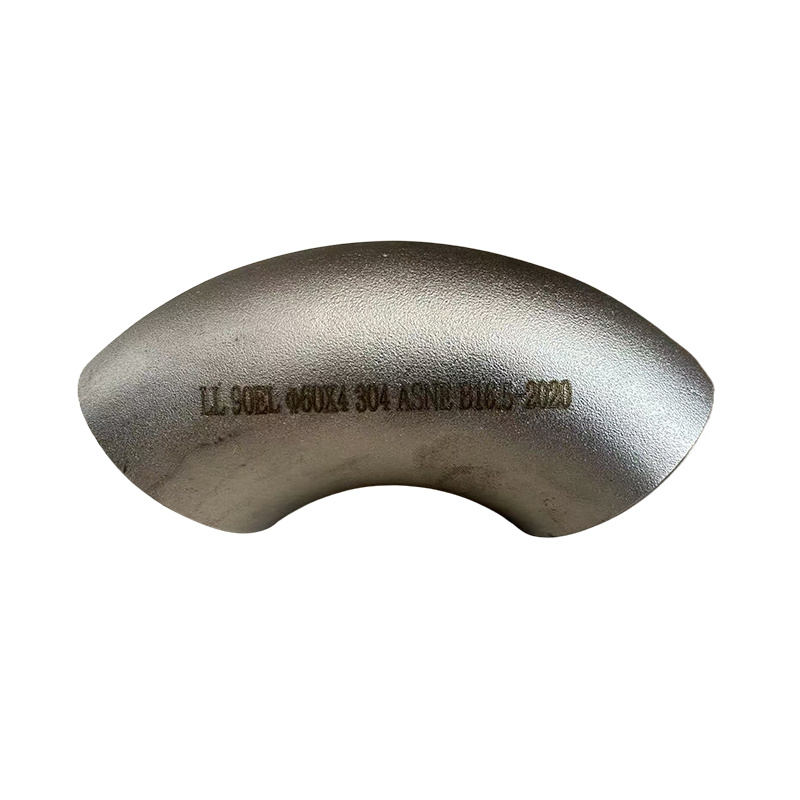
Understanding High-Pressure Alloy Bends: Essential Components for Industrial Piping Systems
High-pressure alloy bends are critical components in the design and operation of industrial piping systems. These bends facilitate the efficient transport of fluids and gases under high-pressure conditions, making them indispensable in various applications, including oil and gas, chemical processing, and power generation.
One of the primary advantages of high-pressure alloy bends is their ability
Sep 05,2026

Service E-mail
Tel
Tel
Address
Room 715, Block A, Qinglin Building, Chentangzhuang, Hexi District, Tianjin
Ask For A Quick Quote
We will contact you within one working day. Please pay attention to your email.