

The Benefits of Using Insulated Pipelines in Industrial Applications
Dec 03,2025
The Benefits of Using Insulated Pipelines in Industrial Applications
Introduction to Insulated Pipelines in Industry
In the realm of industrial operations, the efficiency of systems and processes often hinges on the quality of the infrastructure employed. One such crucial component is the pipeline, which is integral for the transportation of fluids, gases, and other materials. **Insulated pipeline
The Benefits of Using Insulated Pipelines in Industrial Applications
Introduction to Insulated Pipelines in Industry
In the realm of industrial operations, the efficiency of systems and processes often hinges on the quality of the infrastructure employed. One such crucial component is the pipeline, which is integral for the transportation of fluids, gases, and other materials. **Insulated pipelines** have gained significant traction due to their ability to maintain temperature and prevent energy loss. This article explores the myriad benefits these pipelines offer, emphasizing their importance in modern industrial applications.
Understanding Insulated Pipelines
Insulated pipelines consist of a core pipe surrounded by insulation material designed to reduce heat transfer. This insulation can be made from various materials, including **polyurethane foam**, **mineral wool**, or **fiberglass**, depending on the application’s specific requirements. The primary goal is to maintain the temperature of the transported materials, whether they are hot or cold, and to enhance the overall efficiency of industrial processes.
The Purpose of Pipeline Insulation
The primary purpose of insulating pipelines is to minimize heat loss or gain, which is particularly critical in processes involving **high-temperature fluids** or **cryogenic gases**. By reducing thermal exchange with the environment, insulated pipelines help in:
- **Maintaining optimal temperatures** for processes.
- **Reducing energy consumption** and costs.
- **Preventing condensation** that can lead to corrosion.
The Key Benefits of Using Insulated Pipelines
1. Energy Efficiency and Cost Savings
One of the most significant advantages of insulated pipelines is their ability to enhance energy efficiency. By minimizing heat transfer, these pipelines reduce the amount of energy required to maintain temperature. This leads to substantial **cost savings** over time. Industries that rely on heating or cooling processes can significantly lower their utility bills, improving their bottom line.
Case Study: Energy Efficiency in Chemical Plants
In chemical manufacturing, maintaining specific temperatures is crucial for reaction efficiency. A study showed that insulated pipelines can reduce energy consumption by up to **30%** in chemical plants, translating to **thousands of dollars in savings** annually.
2. Enhanced System Performance
Insulated pipelines contribute to the overall performance of industrial systems. By ensuring that materials are transported at the desired temperatures, these pipelines help maintain process integrity. This is particularly important in industries such as **food and beverage**, where temperature control is critical for safety and quality.
Impact on Quality Control
In the food processing industry, insulated pipelines help in achieving and maintaining the required temperatures, preventing spoilage and ensuring product quality. This adherence to temperature control standards can enhance brand reputation and consumer trust.
3. Safety Improvements
Safety is paramount in any industrial setting. Insulated pipelines reduce the risk associated with high-temperature materials by preventing surface temperatures from becoming dangerously hot. This is essential for protecting workers and minimizing the risk of accidents.
Reducing Burn Risks
High-temperature fluids can pose severe risks to personnel. Insulation ensures that the exterior of the pipes remains cool, significantly reducing the likelihood of burns and other heat-related injuries.
4. Environmental Benefits
The environmental impact of industrial operations is increasingly under scrutiny. Insulated pipelines not only reduce energy consumption but also lower greenhouse gas emissions associated with energy production. By optimizing energy use, industries can make significant strides toward sustainability.
Contributing to Corporate Social Responsibility (CSR)
Adopting insulated pipelines can enhance a company’s CSR initiatives. Demonstrating a commitment to reducing energy consumption and emissions can improve public perception and attract eco-conscious clients.
5. Longevity and Durability
Insulated pipelines are designed to withstand harsh industrial environments. The use of high-quality insulation materials can extend the lifespan of the pipeline system, reducing the need for frequent replacements and repairs.
Cost-Effectiveness Over Time
Investing in insulated pipelines may require a higher upfront cost, but the long-term benefits, including reduced maintenance and replacement costs, make them a financially sound decision.
Choosing the Right Insulated Pipeline System
Factors to Consider
When selecting an insulated pipeline system, several factors should be taken into account:
- **Type of materials** being transported.
- **Temperature requirements** for the operation.
- **Environmental conditions** where the pipelines will be installed.
Material Selection for Insulation
Choosing the right insulating material is crucial. For high-temperature applications, materials such as **ceramic fiber** or **mineral wool** may be preferred, while **polyurethane foam** might be more suitable for low-temperature applications.
Installation Best Practices
Proper installation is key to maximizing the benefits of insulated pipelines. It's essential to ensure that insulation is applied consistently and that all joints and fittings are well-sealed to prevent heat loss.
Common Applications of Insulated Pipelines
1. Oil and Gas Industry
In the oil and gas sector, insulated pipelines are employed to transport crude oil and natural gas over long distances. Maintaining the temperature is essential to prevent solidification and ensure efficient flow.
2. Chemical Processing
Chemical plants utilize insulated pipelines to maintain the required temperatures for various chemical reactions, enhancing efficiency and safety.
3. Food and Beverage Production
In food processing, insulated pipelines help maintain the integrity of temperature-sensitive products, ensuring safety and quality throughout the production process.
4. Pharmaceutical Manufacturing
In the pharmaceutical industry, the transportation of active ingredients requires strict temperature control. Insulated pipelines play a vital role in maintaining these standards.
Maintenance of Insulated Pipeline Systems
Regular Inspections
Routine inspections are necessary to ensure the insulation remains intact. Checking for wear and tear, damage, or gaps in the insulation can prevent issues before they escalate.
Importance of Prompt Repairs
Timely repairs of any insulation damage are critical to maintaining the efficiency and safety of the pipeline system.
Cleaning and Upkeep
Maintaining cleanliness around insulated pipelines is essential to prevent contamination and ensure that insulation remains effective.
Conclusion
The use of insulated pipelines in industrial applications offers a multitude of benefits, including enhanced energy efficiency, safety, and environmental sustainability. By maintaining optimal temperatures for transported materials, these pipelines improve system performance and reduce operational costs. As industries continue to strive for efficiency and sustainability, the adoption of insulated pipelines will undoubtedly play a pivotal role in achieving these goals. Investing in insulated pipeline systems not only enhances operational efficiency but also positions companies as responsible and forward-thinking leaders in their respective fields.
FAQs About Insulated Pipelines
1. What materials are commonly used for pipeline insulation?
Common materials include polyurethane foam, fiberglass, and mineral wool, with the choice depending on the specific temperature requirements and application.
2. How do insulated pipelines contribute to energy savings?
By minimizing heat loss or gain, insulated pipelines reduce the energy needed to maintain desired temperatures, leading to lower energy costs.
3. Are there specific industries that benefit more from insulated pipelines?
Yes, industries such as oil and gas, chemical processing, food and beverage, and pharmaceuticals extensively benefit from insulated pipelines.
4. How often should insulated pipelines be inspected?
Regular inspections are recommended at least once a year, or more frequently if the pipelines are subjected to harsh conditions.
5. What are the safety benefits of insulated pipelines?
Insulated pipelines help reduce surface temperatures, minimizing risks of burns and injuries associated with transporting high-temperature fluids.
Key words:
RELATED INFORMATION
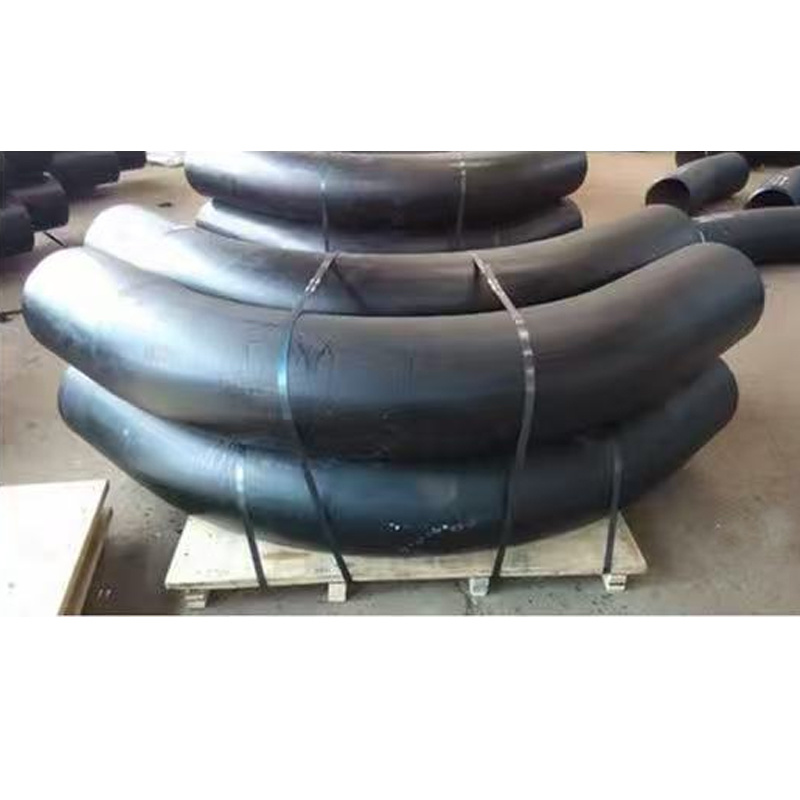
Understanding High-Pressure Plastic-Coated Bends in Industrial Piping Systems
High-pressure plastic-coated bends are critical components in industrial piping systems, especially in applications where durability and resistance to corrosion are paramount. These bends are specifically designed to manage the flow of fluids or gases under high-pressure conditions while maintaining optimal performance and reliability.
The primary function of high-pressure plastic-coated bends is
Sep 13,2026

How to Maintain High-Pressure Alloy Seamless Steel Pipes for Longevity
How to Maintain High-Pressure Alloy Seamless Steel Pipes for Longevity
Table of Contents
Understanding High-Pressure Alloy Seamless Steel Pipes
The Importance of Maintenance for High-Pressure Pipes
Common Challenges in Maintaining High-Pressure Pipes
Best Practices for Maintaining High-Pressure Alloy Seamless Steel Pipes
Regular Inspections and Assessments
Sep 09,2026
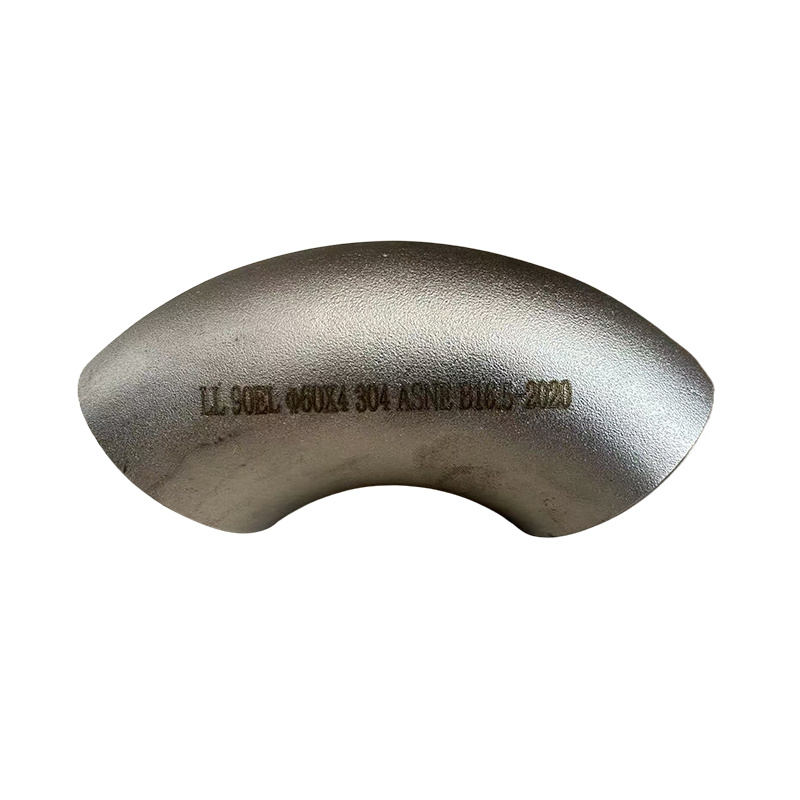
Understanding High-Pressure Alloy Bends: Essential Components for Industrial Piping Systems
High-pressure alloy bends are critical components in the design and operation of industrial piping systems. These bends facilitate the efficient transport of fluids and gases under high-pressure conditions, making them indispensable in various applications, including oil and gas, chemical processing, and power generation.
One of the primary advantages of high-pressure alloy bends is their ability
Sep 05,2026

Service E-mail
Tel
Tel
Address
Room 715, Block A, Qinglin Building, Chentangzhuang, Hexi District, Tianjin
Ask For A Quick Quote
We will contact you within one working day. Please pay attention to your email.