

How Plastic-Coated Pipe Enhances Durability in Harsh Environments
Dec 11,2025
Introduction to Plastic-Coated Pipes and Their Importance
In the industrial sector, the reliability and longevity of piping systems are critical for operational efficiency and safety. **Plastic-coated pipes** have emerged as a leading solution to withstand challenging environments. By offering a unique blend of flexibility, strength, and resistance to corrosion, these pipes are rapidly becoming th
Introduction to Plastic-Coated Pipes and Their Importance
In the industrial sector, the reliability and longevity of piping systems are critical for operational efficiency and safety. **Plastic-coated pipes** have emerged as a leading solution to withstand challenging environments. By offering a unique blend of flexibility, strength, and resistance to corrosion, these pipes are rapidly becoming the preferred choice across various industries.
Understanding Plastic-Coated Pipes: Composition and Structure
Plastic-coated pipes consist of a metallic core, typically made of steel, covered with a layer of plastic. This innovative design aims to provide enhanced protection against environmental challenges. The materials used for the plastic coating can vary, with **polyethylene** and **polyvinyl chloride (PVC)** being the most common choices.
Material Composition of Plastic-Coated Pipes
The core of plastic-coated pipes is generally made from high-quality steel, which gives the pipe its structural strength. The plastic coating serves multiple purposes:
- **Corrosion Resistance**: The plastic layer prevents moisture and chemicals from reaching the steel, greatly reducing the risk of rust and degradation.
- **Flexibility**: The plastic also allows for slight movements in the pipe without compromising its integrity, beneficial in dynamic environments.
- **Thermal Insulation**: The coating can provide an additional layer of thermal insulation, maintaining the temperature of the substances flowing through the pipe.
How Plastic Coating Enhances Durability
The durability of plastic-coated pipes can be attributed to several factors:
- **Protective Barrier**: The plastic layer acts as a barrier against harsh chemicals and environmental conditions, which can lead to pipe failure.
- **UV Resistance**: Many plastic coatings are formulated to withstand UV radiation, preventing degradation when exposed to sunlight.
- **Impact Resistance**: The coating can absorb impacts, reducing the likelihood of physical damage during installation and operation.
Applications of Plastic-Coated Pipes in Harsh Environments
Plastic-coated pipes are widely used across various industries, including:
- **Oil and Gas**: Their resistance to corrosive substances and harsh weather conditions makes them ideal for pipelines in this sector.
- **Water Treatment Facilities**: They ensure the safe transport of water while minimizing corrosion-related failures.
- **Chemical Processing**: The pipes can handle aggressive chemicals without degrading, ensuring a longer lifespan.
Key Industries Benefiting from Plastic-Coated Pipes
1. **Construction**: In construction, plastic-coated pipes are often used for plumbing and drainage systems where moisture exposure is a concern.
2. **Mining**: These pipes are used in harsh mining environments, where they are exposed to abrasive materials and extreme conditions.
3. **Agriculture**: Plastic-coated pipes are utilized for irrigation systems, providing a durable solution for transporting water across fields.
Advantages of Using Plastic-Coated Pipes
Utilizing plastic-coated pipes presents several significant advantages:
- **Cost-Effectiveness**: Although the initial investment may be higher, the long-term savings from reduced maintenance and replacement costs make them economically viable.
- **Low Maintenance Requirements**: The coating reduces the need for frequent inspections and repairs, allowing companies to focus on their core operations.
- **Environmental Impact**: By reducing leaks and failures, these pipes minimize the environmental risks associated with hazardous materials.
Comparative Analysis: Plastic-Coated vs. Traditional Pipes
When comparing plastic-coated pipes to traditional uncoated pipes, the differences are striking:
- **Longevity**: Plastic-coated pipes often outlast conventional pipes by several years due to their protective coating.
- **Performance in Extreme Conditions**: Traditional pipes may succumb to corrosion and degradation more quickly when exposed to harsh environments.
- **Installation Flexibility**: The lightweight nature of plastic-coated pipes makes them easier to handle and install compared to heavier traditional materials.
Installation and Maintenance of Plastic-Coated Pipes
Installing plastic-coated pipes involves specific considerations to maximize their benefits.
Best Practices for Installation
- **Proper Handling**: Care should be taken during transportation and installation to avoid damaging the plastic coating.
- **Use of Appropriate Fittings**: Utilizing compatible fittings ensures a secure connection, preventing leaks and potential failures.
- **Regular Inspections**: Routine inspections can help identify potential issues before they become significant problems.
Maintenance Considerations
- **Visual Checks**: Regular visual inspections for damage or wear can extend the lifespan of the pipes.
- **Cleaning**: Keeping the exterior clean prevents the buildup of harmful substances that could compromise the coating.
Innovations in Plastic-Coated Pipe Technology
The industry is continuously evolving, with new innovations enhancing the performance of plastic-coated pipes.
Advancements in Coating Materials
New formulations of plastic coatings improve resistance to extreme temperatures and chemicals, further extending the lifespan of pipes.
Smart Technology Integration
Integration of smart technology, such as sensors, allows for real-time monitoring of the conditions around the pipes, providing alerts before failures occur.
Frequently Asked Questions (FAQs)
1. What are plastic-coated pipes made of?
Plastic-coated pipes typically consist of a steel core covered with a layer of plastic, such as polyethylene or PVC.
2. How do plastic-coated pipes prevent corrosion?
The plastic layer serves as a barrier that protects the metal core from moisture and chemicals, significantly reducing the risk of corrosion.
3. What industries commonly use plastic-coated pipes?
Plastic-coated pipes are widely used in the oil and gas, water treatment, chemical processing, construction, mining, and agriculture industries.
4. Are plastic-coated pipes more expensive than traditional pipes?
While the initial cost may be higher, plastic-coated pipes often result in lower maintenance and replacement costs over time, making them more economical in the long run.
5. How can I ensure the longevity of plastic-coated pipes?
Regular inspections, appropriate installation practices, and proper handling during installation can help maximize the lifespan of plastic-coated pipes.
Conclusion
In conclusion, plastic-coated pipes represent a significant advancement in piping technology, particularly for industries operating in harsh environments. Their unique composition and design provide unparalleled durability, corrosion resistance, and cost-effectiveness. As industrial demands continue to evolve, the ongoing innovations in plastic-coated pipe technology will undoubtedly enhance their application, ensuring a reliable solution for challenging conditions. Investing in plastic-coated pipes is not just a choice for today; it’s a commitment to future-proofing operations and enhancing overall efficiency.
Key words:
RELATED INFORMATION
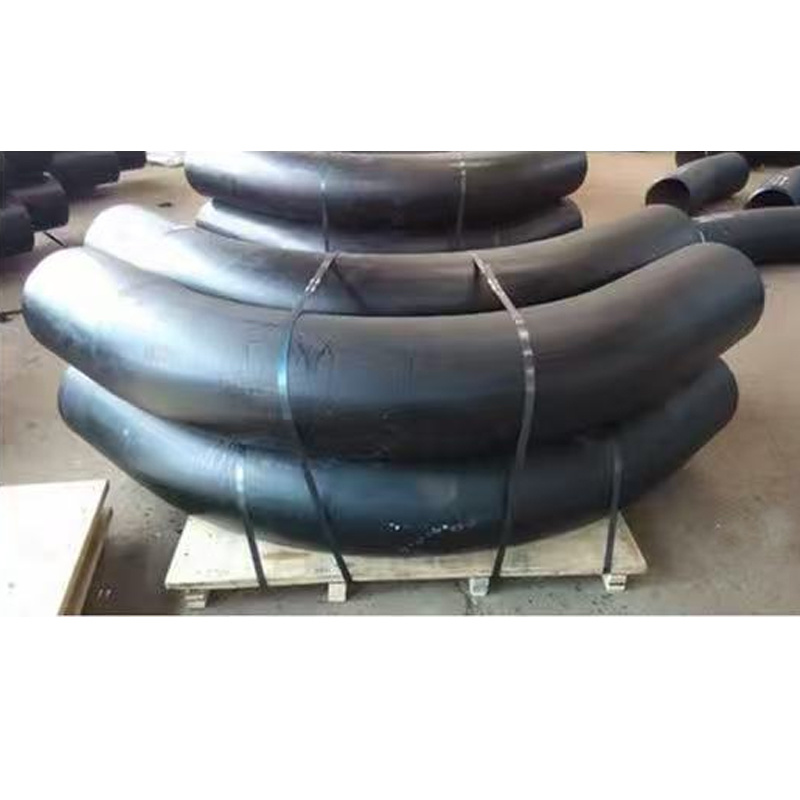
Understanding High-Pressure Plastic-Coated Bends in Industrial Piping Systems
High-pressure plastic-coated bends are critical components in industrial piping systems, especially in applications where durability and resistance to corrosion are paramount. These bends are specifically designed to manage the flow of fluids or gases under high-pressure conditions while maintaining optimal performance and reliability.
The primary function of high-pressure plastic-coated bends is
Sep 13,2026

How to Maintain High-Pressure Alloy Seamless Steel Pipes for Longevity
How to Maintain High-Pressure Alloy Seamless Steel Pipes for Longevity
Table of Contents
Understanding High-Pressure Alloy Seamless Steel Pipes
The Importance of Maintenance for High-Pressure Pipes
Common Challenges in Maintaining High-Pressure Pipes
Best Practices for Maintaining High-Pressure Alloy Seamless Steel Pipes
Regular Inspections and Assessments
Sep 09,2026
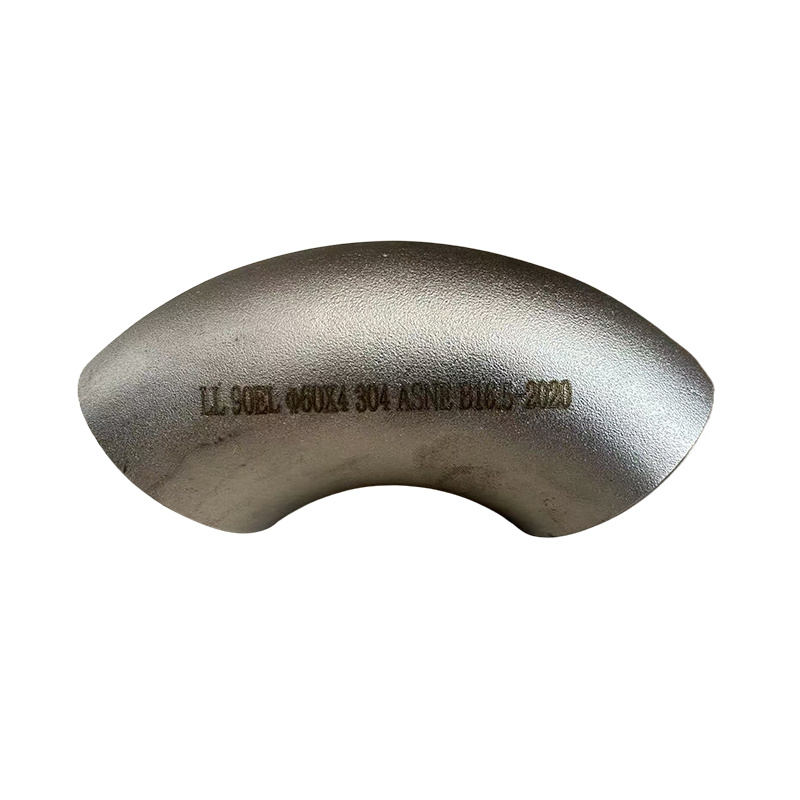
Understanding High-Pressure Alloy Bends: Essential Components for Industrial Piping Systems
High-pressure alloy bends are critical components in the design and operation of industrial piping systems. These bends facilitate the efficient transport of fluids and gases under high-pressure conditions, making them indispensable in various applications, including oil and gas, chemical processing, and power generation.
One of the primary advantages of high-pressure alloy bends is their ability
Sep 05,2026

Service E-mail
Tel
Tel
Address
Room 715, Block A, Qinglin Building, Chentangzhuang, Hexi District, Tianjin
Ask For A Quick Quote
We will contact you within one working day. Please pay attention to your email.