

Why Insulated Pipelines are Essential for Energy Efficiency in Industrial Applications
Dec 13,2025
Why Insulated Pipelines are Essential for Energy Efficiency in Industrial Applications
Table of Contents
1. Introduction to Insulated Pipelines
2. Importance of Insulated Pipelines in Energy Efficiency
3. Key Benefits of Using Insulated Pipelines
3.1. Enhanced Thermal Efficiency
3.2. Significant Cost Savings
3.3. Positive Environmental Impa
Why Insulated Pipelines are Essential for Energy Efficiency in Industrial Applications
Table of Contents
- 1. Introduction to Insulated Pipelines
- 2. Importance of Insulated Pipelines in Energy Efficiency
- 3. Key Benefits of Using Insulated Pipelines
- 4. Common Materials Used for Insulated Pipelines
- 5. Proper Installation Techniques for Maximum Efficiency
- 6. Maintenance of Insulated Pipelines: Best Practices
- 7. Case Studies: Successful Implementation of Insulated Pipelines
- 8. FAQs About Insulated Pipelines and Energy Efficiency
- 9. Conclusion
1. Introduction to Insulated Pipelines
Insulated pipelines are critical components in various industrial applications, providing a seamless solution for transporting fluids while minimizing energy loss. As industries continue to seek ways to enhance energy efficiency, insulated pipelines have emerged as a fundamental requirement. By conserving energy and maintaining optimal transport conditions, these pipelines significantly contribute to the overall efficiency of industrial operations.
2. Importance of Insulated Pipelines in Energy Efficiency
The growing demand for energy-efficient solutions has placed insulated pipelines at the forefront of industrial infrastructure. These systems help mitigate heat loss in high-temperature processes and prevent condensation in chilled applications. As industries grapple with rising energy costs and intensified regulations on emissions, insulated pipelines represent a key strategy for achieving compliance while enhancing operational efficiency.
3. Key Benefits of Using Insulated Pipelines
3.1. Enhanced Thermal Efficiency
One of the most significant advantages of insulated pipelines is their ability to maintain thermal efficiency. By reducing heat loss, these systems ensure that the temperature of the transported fluids remains stable. This stability is crucial for processes requiring precise temperature control, such as chemical manufacturing, food processing, and oil refining. Enhanced thermal efficiency not only contributes to better product quality but also reduces the energy needed to maintain desired temperatures.
3.2. Significant Cost Savings
Investing in insulated pipelines can lead to substantial cost savings over time. By minimizing energy consumption through effective insulation, industries can lower their operational costs significantly. Moreover, reduced energy waste translates into lower utility bills and decreased carbon footprints. Many businesses find that the initial investment in insulated pipelines is quickly offset by the long-term savings they generate.
3.3. Positive Environmental Impact
The environmental benefits of using insulated pipelines cannot be overstated. By enhancing energy efficiency, these systems decrease greenhouse gas emissions associated with energy production. As industries strive for sustainability, insulated pipelines support corporate social responsibility initiatives and regulatory compliance. This commitment to environmental stewardship fosters a positive public image and can enhance customer loyalty.
4. Common Materials Used for Insulated Pipelines
The effectiveness of insulated pipelines largely depends on the materials used for insulation. Common materials include:
- **Polyurethane Foam**: Known for its excellent thermal performance and lightweight properties, polyurethane foam is often used in high-temperature applications.
- **Fiberglass**: Used for its durability and resistance to corrosion, fiberglass insulation is suitable for a wide range of industrial environments.
- **Mineral Wool**: Offering high-temperature resistance and soundproofing capabilities, mineral wool is commonly used in power plants and refineries.
- **Polyethylene**: This material is often used for its moisture resistance and affordability, making it suitable for low-temperature applications.
Selecting the right insulation material depends on factors such as the specific application, temperature requirements, and environmental conditions.
5. Proper Installation Techniques for Maximum Efficiency
To achieve optimal performance from insulated pipelines, proper installation is crucial. Key installation techniques include:
- **Surface Preparation**: Ensure that all surfaces are clean and free of contaminants before applying insulation. This step is vital for achieving good adhesion and preventing moisture penetration.
- **Seam Sealing**: Properly sealing seams and joints is essential to enhance insulation effectiveness. Gaps can lead to significant heat loss, undermining the benefits of insulation.
- **Installation of Vapor Barriers**: For applications involving chilled fluids, installing vapor barriers can prevent condensation and maintain the integrity of the insulation.
Hiring experienced professionals for installation is advisable to ensure that all industry standards and best practices are followed.
6. Maintenance of Insulated Pipelines: Best Practices
Even the best-insulated pipelines require regular maintenance to ensure ongoing efficiency. Best practices for maintaining insulated pipelines include:
- **Routine Inspections**: Regularly inspect the insulation for signs of damage or wear. Early identification of issues allows for timely repairs, preventing more extensive damage.
- **Moisture Control**: Maintaining a dry environment around insulated pipelines is essential to prevent mold growth and insulation degradation. Ensure that drainage systems are in place and functioning properly.
- **Reinsulating Damaged Areas**: If any sections of insulation are compromised, promptly remove and replace them to restore the pipeline's efficiency.
Implementing a proactive maintenance schedule can significantly extend the lifespan of insulated pipelines and sustain their performance.
7. Case Studies: Successful Implementation of Insulated Pipelines
Examining real-world implementations of insulated pipelines can provide valuable insights. Here are two notable case studies:
- **Case Study 1: Chemical Manufacturing Plant**
In a chemical manufacturing facility, the installation of insulated pipelines resulted in a 30% reduction in energy costs. By using polyurethane foam insulation, the plant was able to maintain optimal temperatures, leading to increased production efficiency and product quality.
- **Case Study 2: Food Processing Facility**
A food processing facility implemented insulated pipelines to transport chilled water. The result was a significant decrease in condensation-related issues, which improved product safety and reduced energy consumption. The investment in insulation paid off within two years through lower energy bills and reduced waste.
These case studies illustrate the potential for insulated pipelines to transform industrial operations and optimize energy usage.
8. FAQs About Insulated Pipelines and Energy Efficiency
1. What are insulated pipelines?
Insulated pipelines are specialized piping systems designed to minimize heat transfer between the fluids they transport and the surrounding environment, thereby enhancing energy efficiency.
2. How do insulated pipelines improve energy efficiency?
By reducing heat loss or gain, insulated pipelines help maintain fluid temperatures, requiring less energy to achieve and sustain optimal conditions across various industrial processes.
3. What materials are commonly used for pipeline insulation?
Common insulation materials include polyurethane foam, fiberglass, mineral wool, and polyethylene, each selected based on specific application needs and environmental factors.
4. Are insulated pipelines cost-effective?
Yes, while the initial investment may be higher, the long-term energy savings and reduced operational costs often outweigh the installation expenses.
5. How can I maintain insulated pipelines effectively?
Routine inspections, moisture control, and timely repairs or replacements of damaged insulation are critical for maintaining insulated pipelines and ensuring their efficiency.
9. Conclusion
Insulated pipelines are not just a convenience; they are a necessity for industries striving for enhanced energy efficiency and sustainability. By investing in insulated pipelines, businesses can achieve significant cost savings, improve thermal performance, and contribute positively to environmental efforts. With proper installation and maintenance, insulated pipelines can serve as a backbone for efficient industrial processes, ensuring that organizations remain competitive in an ever-evolving market. Embracing this technology is not just a smart choice—it is an essential step towards a more efficient and sustainable future.
Key words:
RELATED INFORMATION
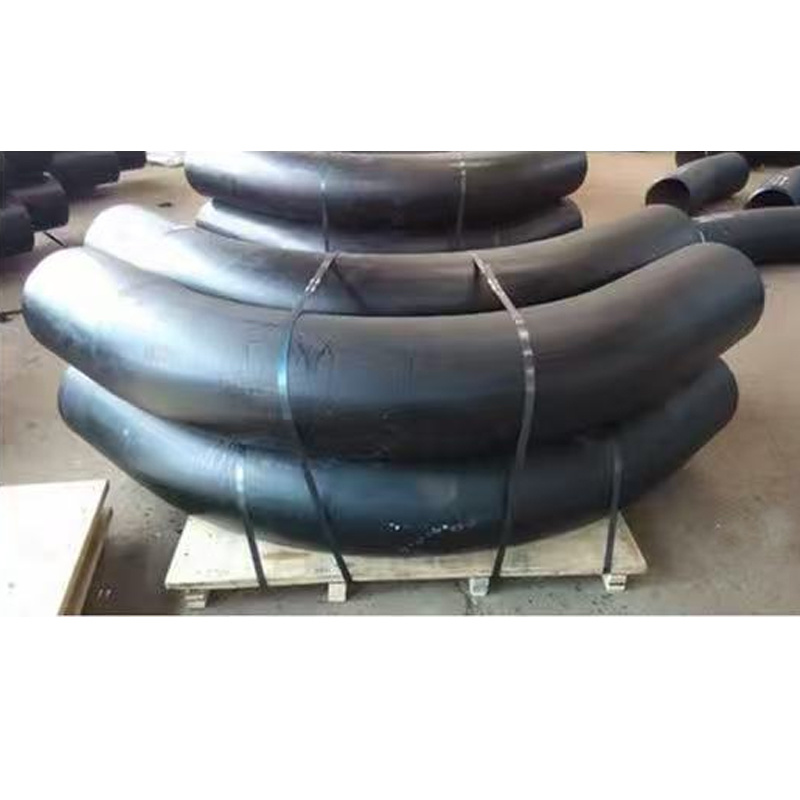
Understanding High-Pressure Plastic-Coated Bends in Industrial Piping Systems
High-pressure plastic-coated bends are critical components in industrial piping systems, especially in applications where durability and resistance to corrosion are paramount. These bends are specifically designed to manage the flow of fluids or gases under high-pressure conditions while maintaining optimal performance and reliability.
The primary function of high-pressure plastic-coated bends is
Sep 13,2026

How to Maintain High-Pressure Alloy Seamless Steel Pipes for Longevity
How to Maintain High-Pressure Alloy Seamless Steel Pipes for Longevity
Table of Contents
Understanding High-Pressure Alloy Seamless Steel Pipes
The Importance of Maintenance for High-Pressure Pipes
Common Challenges in Maintaining High-Pressure Pipes
Best Practices for Maintaining High-Pressure Alloy Seamless Steel Pipes
Regular Inspections and Assessments
Sep 09,2026
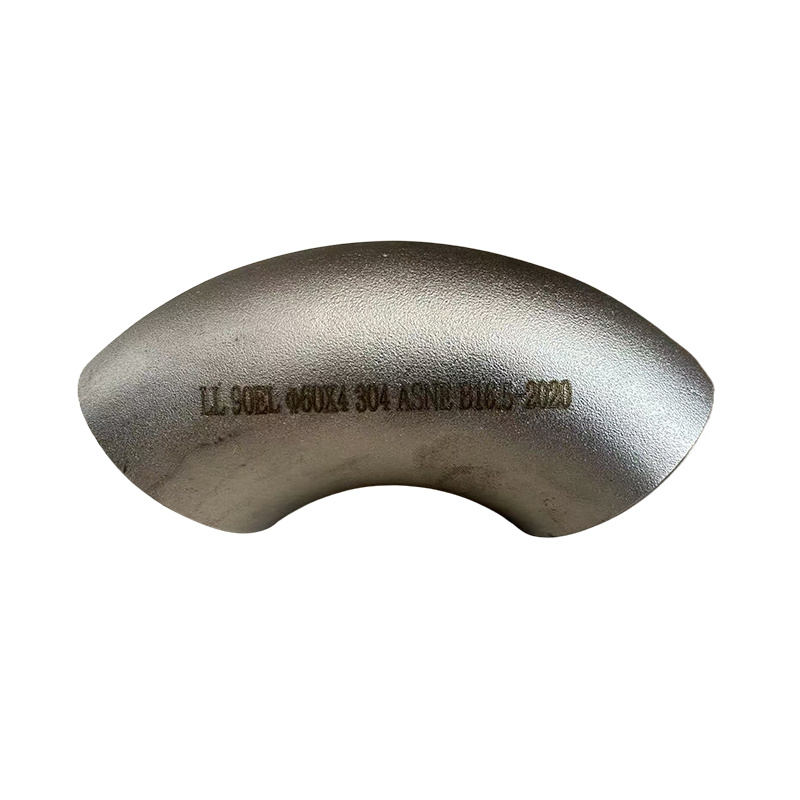
Understanding High-Pressure Alloy Bends: Essential Components for Industrial Piping Systems
High-pressure alloy bends are critical components in the design and operation of industrial piping systems. These bends facilitate the efficient transport of fluids and gases under high-pressure conditions, making them indispensable in various applications, including oil and gas, chemical processing, and power generation.
One of the primary advantages of high-pressure alloy bends is their ability
Sep 05,2026

Service E-mail
Tel
Tel
Address
Room 715, Block A, Qinglin Building, Chentangzhuang, Hexi District, Tianjin
Ask For A Quick Quote
We will contact you within one working day. Please pay attention to your email.