

High-Pressure Stainless Steel Seamless Pipes: The Backbone of Modern Architecture
Dec 19,2025
High-Pressure Stainless Steel Seamless Pipes: The Backbone of Modern Architecture
Table of Contents
1. Introduction to High-Pressure Stainless Steel Seamless Pipes
2. What Makes Stainless Steel Ideal for Construction?
3. Different Types of High-Pressure Stainless Steel Seamless Pipes
4. Manufacturing Process of Seamless Pipes
5. Applications in Modern Architecture
6. Advan
High-Pressure Stainless Steel Seamless Pipes: The Backbone of Modern Architecture
Table of Contents
- 1. Introduction to High-Pressure Stainless Steel Seamless Pipes
- 2. What Makes Stainless Steel Ideal for Construction?
- 3. Different Types of High-Pressure Stainless Steel Seamless Pipes
- 4. Manufacturing Process of Seamless Pipes
- 5. Applications in Modern Architecture
- 6. Advantages of High-Pressure Stainless Steel Seamless Pipes
- 7. Challenges and Considerations in Use
- 8. The Future of Stainless Steel Seamless Pipes in Architecture
- 9. Frequently Asked Questions
- 10. Conclusion
1. Introduction to High-Pressure Stainless Steel Seamless Pipes
In the rapidly evolving field of architecture, the choice of materials plays a crucial role in determining the efficacy and longevity of structures. Among these materials, **high-pressure stainless steel seamless pipes** stand out as a pivotal component in modern construction. Their strength, durability, and aesthetic versatility make them invaluable for various architectural applications. This article delves deep into the characteristics, manufacturing processes, and the myriad applications of these pipes in the modern architectural landscape.
2. What Makes Stainless Steel Ideal for Construction?
Stainless steel is a popular choice for construction materials due to its numerous advantages.
Corrosion Resistance
One of the primary attributes of stainless steel is its **corrosion resistance**. This property ensures that structures remain intact and maintain their appearance over time, even in adverse weather conditions.
Strength and Durability
High-pressure stainless steel seamless pipes are renowned for their strength. They can withstand extreme pressures and are less likely to deform under stress, making them ideal for structural applications.
Aesthetic Appeal
Stainless steel has a sleek, modern look that complements various architectural styles. Its **reflective surface** adds to the aesthetic quality of buildings, contributing to contemporary design.
Eco-Friendly Option
As stainless steel is 100% recyclable, choosing this material contributes to more sustainable construction practices, aligning with modern environmental standards.
3. Different Types of High-Pressure Stainless Steel Seamless Pipes
High-pressure stainless steel seamless pipes come in various types, classified based on several criteria.
Austenitic Stainless Steel Pipes
These are the most common types and are known for their excellent corrosion resistance and formability. They are widely used in chemical and food processing industries.
Ferritic Stainless Steel Pipes
Ferritic pipes offer good corrosion resistance and are often used in automotive applications, providing a balance between durability and cost.
Martensitic Stainless Steel Pipes
These pipes are known for their high strength and hardness, making them suitable for applications requiring higher mechanical properties.
4. Manufacturing Process of Seamless Pipes
The manufacturing of high-pressure stainless steel seamless pipes is a sophisticated process involving several stages to ensure quality and consistency.
Raw Material Selection
Quality begins with the selection of high-grade stainless steel alloys, which serve as the raw material for the pipes.
Pipe Formation
The primary method for producing seamless pipes involves the **extrusion or rotary piercing** process, wherein the material is heated and shaped into a pipe without any seams.
Heat Treatment
Post-formation, pipes undergo heat treatment processes to enhance their mechanical properties, ensuring they can withstand high pressure.
Finishing Processes
Finishing processes such as pickling and passivation are conducted to improve surface quality and further enhance corrosion resistance.
5. Applications in Modern Architecture
High-pressure stainless steel seamless pipes are extensively used in various architectural applications.
Structural Support
These pipes are commonly used as **columns and beams**, providing structural integrity to buildings. Their ability to bear heavy loads makes them ideal for skyscrapers and large commercial buildings.
Facades and Exteriors
Architects often incorporate seamless pipes in building facades, providing modern aesthetics while ensuring durability.
Plumbing and Ventilation Systems
In plumbing and HVAC systems, stainless steel pipes are preferred for their reliability and ease of maintenance, ensuring efficient flow and ventilation.
Safety and Well-being Installations
These pipes are also utilized in safety installations such as fire protection systems, where high-pressure tolerance is essential.
6. Advantages of High-Pressure Stainless Steel Seamless Pipes
The benefits of incorporating high-pressure stainless steel seamless pipes into architectural designs are extensive.
Enhanced Safety Features
With their high pressure tolerance, these pipes ensure safer structures, minimizing the risk of structural failures.
Cost-Effectiveness
Though the initial investment may be higher, the longevity and low maintenance costs of stainless steel pipes contribute to overall cost-effectiveness in the long run.
Design Flexibility
Stainless steel pipes allow architects to explore innovative designs without compromising structural integrity.
Low Maintenance Requirements
The durability of stainless steel means that less frequent replacements are necessary, reducing long-term maintenance efforts and costs.
7. Challenges and Considerations in Use
While high-pressure stainless steel seamless pipes offer numerous advantages, some challenges are associated with their use.
Initial Cost
The upfront cost of stainless steel can be a significant consideration for budget-conscious projects, often leading to a preference for alternative materials.
Welding Challenges
Welding stainless steel requires skilled labor and specialized equipment, which can complicate installation processes.
Corrosion in Specific Environments
Though resistant to general corrosion, stainless steel can be susceptible to certain types of corrosion, such as pitting, in very aggressive environments.
8. The Future of Stainless Steel Seamless Pipes in Architecture
As architectural design continues to evolve, the future of high-pressure stainless steel seamless pipes appears promising.
Innovations in Material Science
Ongoing research in material science may lead to the development of even more advanced stainless steel alloys with improved properties.
Sustainability Trends
As the construction industry increasingly prioritizes sustainability, the recyclability of stainless steel positions it as a favorable option in environmentally conscious designs.
Smart Building Integrations
Future architectural designs may incorporate **smart technologies** alongside stainless steel pipes, enhancing efficiency and functionality in modern buildings.
9. Frequently Asked Questions
What are the typical uses of high-pressure stainless steel seamless pipes?
High-pressure stainless steel seamless pipes are primarily used in structural applications, plumbing systems, facades, and safety installations.
How do stainless steel seamless pipes compare to welded pipes?
Seamless pipes have no welds, providing better strength and reliability, particularly under high-pressure conditions, compared to welded pipes.
Are there any maintenance requirements for stainless steel seamless pipes?
Stainless steel requires minimal maintenance; however, regular inspections are recommended to ensure there are no signs of corrosion or damage.
Can stainless steel seamless pipes be recycled?
Yes, stainless steel is 100% recyclable, making it an eco-friendly choice for construction projects.
What are the advantages of using high-pressure pipes in plumbing systems?
Using high-pressure pipes in plumbing systems ensures efficient flow and minimizes the risk of leaks and bursts, contributing to overall system reliability.
10. Conclusion
High-pressure stainless steel seamless pipes represent a cornerstone of modern architecture, combining aesthetic appeal with exceptional structural integrity and durability. Their unique properties make them ideal for a wide range of applications, from skyscrapers to intricate plumbing systems. As architectural designs continue to evolve, embracing sustainability and innovation, these pipes will undoubtedly play a vital role in shaping the future of construction, ensuring that modern buildings are not only functional but also resilient and visually striking.
Key words:
RELATED INFORMATION
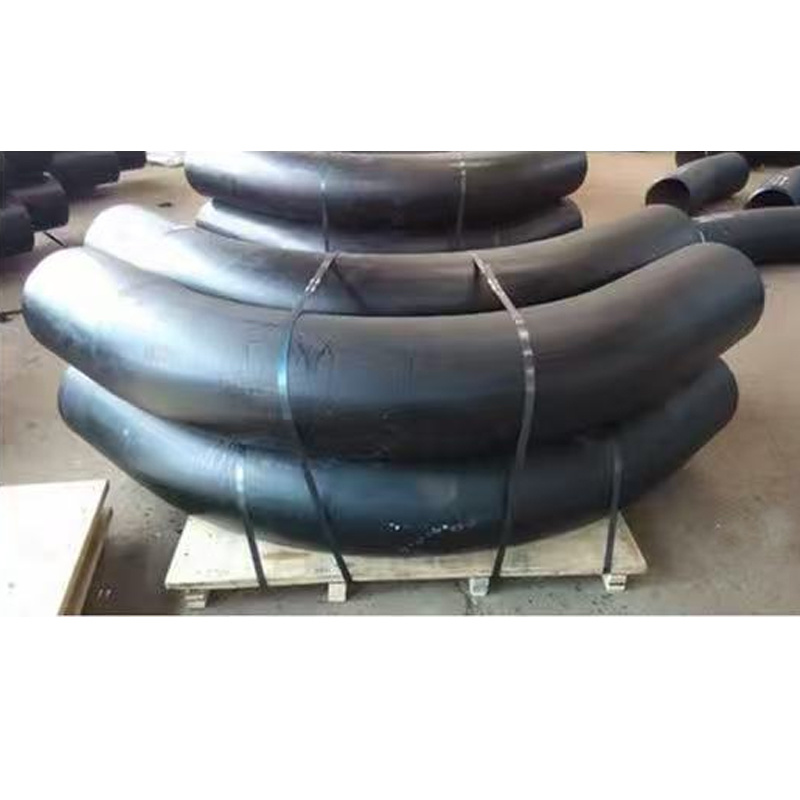
Understanding High-Pressure Plastic-Coated Bends in Industrial Piping Systems
High-pressure plastic-coated bends are critical components in industrial piping systems, especially in applications where durability and resistance to corrosion are paramount. These bends are specifically designed to manage the flow of fluids or gases under high-pressure conditions while maintaining optimal performance and reliability.
The primary function of high-pressure plastic-coated bends is
Sep 13,2026

How to Maintain High-Pressure Alloy Seamless Steel Pipes for Longevity
How to Maintain High-Pressure Alloy Seamless Steel Pipes for Longevity
Table of Contents
Understanding High-Pressure Alloy Seamless Steel Pipes
The Importance of Maintenance for High-Pressure Pipes
Common Challenges in Maintaining High-Pressure Pipes
Best Practices for Maintaining High-Pressure Alloy Seamless Steel Pipes
Regular Inspections and Assessments
Sep 09,2026
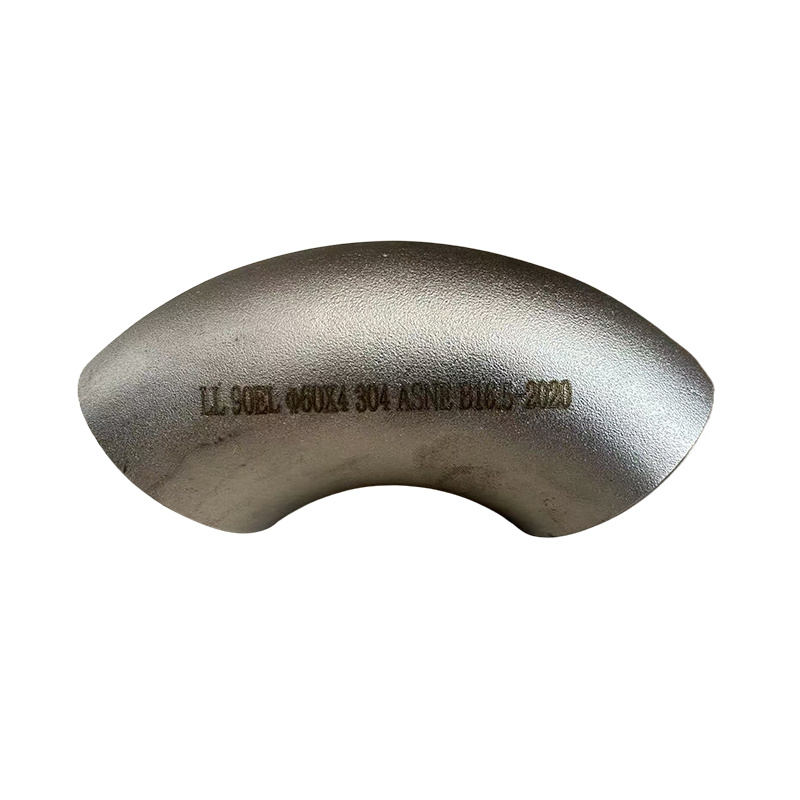
Understanding High-Pressure Alloy Bends: Essential Components for Industrial Piping Systems
High-pressure alloy bends are critical components in the design and operation of industrial piping systems. These bends facilitate the efficient transport of fluids and gases under high-pressure conditions, making them indispensable in various applications, including oil and gas, chemical processing, and power generation.
One of the primary advantages of high-pressure alloy bends is their ability
Sep 05,2026

Service E-mail
Tel
Tel
Address
Room 715, Block A, Qinglin Building, Chentangzhuang, Hexi District, Tianjin
Ask For A Quick Quote
We will contact you within one working day. Please pay attention to your email.