

Top Reasons to Choose Plastic-Coated Pipe for Your Next Project
Dec 23,2025
Top Reasons to Choose Plastic-Coated Pipe for Your Next Project
Table of Contents
Introduction to Plastic-Coated Pipes
What Are Plastic-Coated Pipes?
Key Advantages of Plastic-Coated Pipes
1. Exceptional Durability
2. Superior Corrosion Resistance
3. Cost-Effectiveness Over Time
4. Ease of Installation
5. Positive Environmental Impact
Applications o
Top Reasons to Choose Plastic-Coated Pipe for Your Next Project
Table of Contents
- Introduction to Plastic-Coated Pipes
- What Are Plastic-Coated Pipes?
- Key Advantages of Plastic-Coated Pipes
- 1. Exceptional Durability
- 2. Superior Corrosion Resistance
- 3. Cost-Effectiveness Over Time
- 4. Ease of Installation
- 5. Positive Environmental Impact
- Applications of Plastic-Coated Pipes
- Maintenance and Care for Plastic-Coated Pipes
- Choosing the Right Plastic-Coated Pipes for Your Project
- Conclusion
- Frequently Asked Questions (FAQs)
Introduction to Plastic-Coated Pipes
In the realm of industrial equipment and components, selecting the right type of piping is crucial for the success of your project. Plastic-coated pipes have emerged as a favored option due to their numerous benefits. This article delves into the compelling reasons to consider plastic-coated pipes for your next undertaking, providing insights that will guide your decision-making process.
What Are Plastic-Coated Pipes?
Plastic-coated pipes are steel pipes that have been coated with a layer of plastic, usually polyethylene or PVC. This layer not only enhances their physical properties but also significantly improves their performance in various industrial applications. The coating process involves applying a durable plastic material to the outer surface of the pipe, providing a protective barrier against external elements.
Key Advantages of Plastic-Coated Pipes
1. Exceptional Durability
One of the standout features of plastic-coated pipes is their **exceptional durability**. The plastic coating acts as a shield against mechanical damage, impacts, and harsh environmental conditions. This robustness ensures that the pipes can withstand the rigors of industrial environments without succumbing to wear and tear.
2. Superior Corrosion Resistance
Corrosion is a significant concern in many industries, particularly those dealing with chemicals and water. **Plastic-coated pipes offer superior corrosion resistance**, preventing rust and degradation over time. This property is especially beneficial in environments with high humidity or exposure to corrosive substances, extending the lifespan of the piping system.
3. Cost-Effectiveness Over Time
While the initial investment in plastic-coated pipes may be higher than traditional options, their long-term cost-effectiveness is undeniable. The durability and corrosion resistance translate to lower maintenance and replacement costs over the years. Thus, opting for plastic-coated pipes can result in substantial savings for your project in the long run.
4. Ease of Installation
Plastic-coated pipes are designed for **ease of installation**, making them a practical choice for various projects. Their lightweight nature simplifies the handling and transportation process, while the smooth surface of the plastic coating allows for easier jointing and welding. This means reduced labor costs and quicker project completion times.
5. Positive Environmental Impact
The growing emphasis on sustainability in industrial practices makes the **environmental impact** of materials a crucial factor. Plastic-coated pipes are typically manufactured with environmentally friendly processes, and their longevity means fewer resources are consumed over time for replacements. Choosing these pipes contributes to a more sustainable future for the industry.
Applications of Plastic-Coated Pipes
Plastic-coated pipes find extensive applications across various industries, including:
- **Oil and Gas**: Transporting crude oil and natural gas while minimizing corrosion risks.
- **Water Treatment**: Ideal for conveying potable water due to their resistance to rust and contaminants.
- **Chemical Processing**: Safe handling of corrosive chemicals without the risk of pipe degradation.
- **Agriculture**: Used in irrigation systems to prevent damage from soil and weather conditions.
Maintenance and Care for Plastic-Coated Pipes
Maintaining plastic-coated pipes requires minimal effort, but some key practices can enhance their lifespan:
- **Regular Inspections**: Check for signs of wear or damage to the coating.
- **Cleaning**: Keep the pipes free from debris to prevent blockage and maintain flow efficiency.
- **Environmental Considerations**: Ensure the installation environment is suitable for the specific type of plastic used in the coating.
Choosing the Right Plastic-Coated Pipes for Your Project
Selecting the appropriate plastic-coated pipes involves several considerations:
- **Pipe Material**: Choose a coating that suits your specific application, like polyvinyl chloride (PVC) for chemical resistance or polyethylene for flexibility.
- **Pipe Diameter and Length**: Assess your project requirements to determine the suitable sizes.
- **Industry Standards**: Ensure compliance with relevant regulations and standards to guarantee safety and performance.
Conclusion
In summary, plastic-coated pipes present a multitude of benefits that make them an excellent choice for various industrial projects. Their **durability**, **corrosion resistance**, **cost-effectiveness**, and **ease of installation** collectively contribute to a robust piping solution. By choosing plastic-coated pipes, you not only ensure the efficiency and longevity of your systems but also promote environmental sustainability. As we move forward in an era that prioritizes advanced materials and practices, embracing plastic-coated pipes may be one of the most prudent decisions for your next project.
Frequently Asked Questions (FAQs)
1. What is the average lifespan of plastic-coated pipes?
Plastic-coated pipes can last anywhere from 20 to 50 years, depending on environmental conditions and the specific materials used.
2. Are plastic-coated pipes suitable for high-temperature applications?
Yes, but it is essential to select a coating material that is rated for high temperatures to prevent degradation.
3. Can plastic-coated pipes be repaired if damaged?
Yes, most damages can be repaired using specialized coatings or by replacing the affected section of the pipe.
4. Do plastic-coated pipes require special handling during installation?
While they are lightweight and easy to handle, precautions should be taken to avoid scratching or damaging the coating during installation.
5. Are plastic-coated pipes more expensive than traditional metal pipes?
Initially, they may have a higher upfront cost, but their longevity and reduced maintenance needs often result in lower total costs over time.
Key words:
RELATED INFORMATION
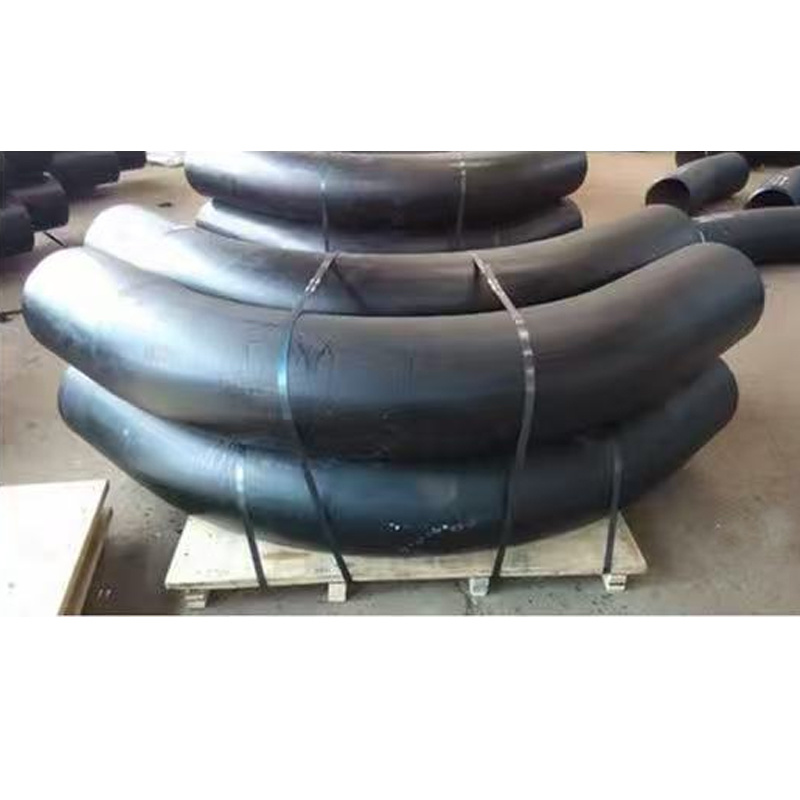
Understanding High-Pressure Plastic-Coated Bends in Industrial Piping Systems
High-pressure plastic-coated bends are critical components in industrial piping systems, especially in applications where durability and resistance to corrosion are paramount. These bends are specifically designed to manage the flow of fluids or gases under high-pressure conditions while maintaining optimal performance and reliability.
The primary function of high-pressure plastic-coated bends is
Sep 13,2026

How to Maintain High-Pressure Alloy Seamless Steel Pipes for Longevity
How to Maintain High-Pressure Alloy Seamless Steel Pipes for Longevity
Table of Contents
Understanding High-Pressure Alloy Seamless Steel Pipes
The Importance of Maintenance for High-Pressure Pipes
Common Challenges in Maintaining High-Pressure Pipes
Best Practices for Maintaining High-Pressure Alloy Seamless Steel Pipes
Regular Inspections and Assessments
Sep 09,2026
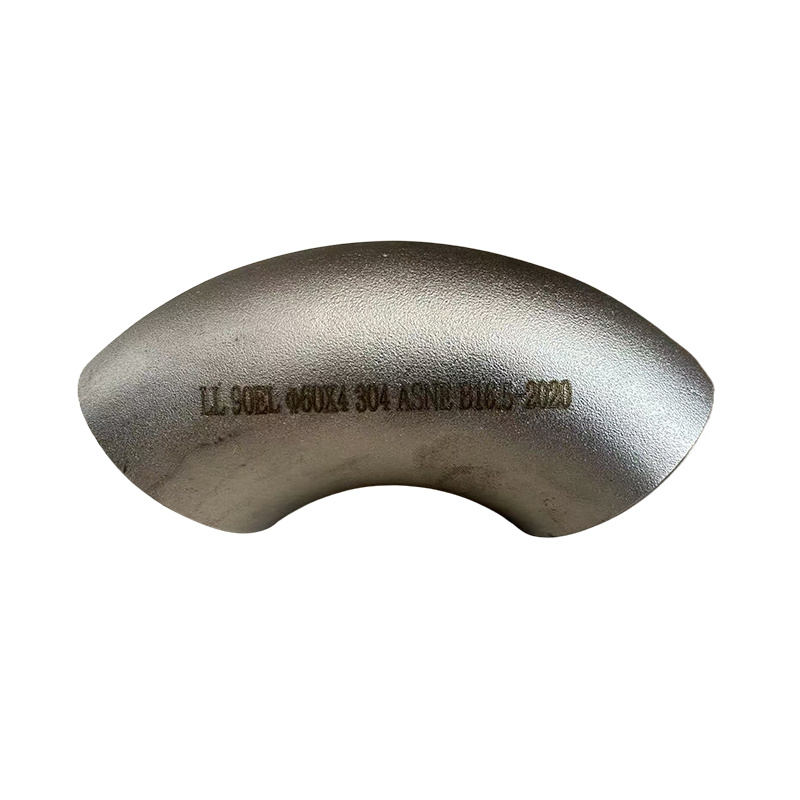
Understanding High-Pressure Alloy Bends: Essential Components for Industrial Piping Systems
High-pressure alloy bends are critical components in the design and operation of industrial piping systems. These bends facilitate the efficient transport of fluids and gases under high-pressure conditions, making them indispensable in various applications, including oil and gas, chemical processing, and power generation.
One of the primary advantages of high-pressure alloy bends is their ability
Sep 05,2026

Service E-mail
Tel
Tel
Address
Room 715, Block A, Qinglin Building, Chentangzhuang, Hexi District, Tianjin
Ask For A Quick Quote
We will contact you within one working day. Please pay attention to your email.