

Maximizing Performance with Properly Designed Insulated Pipelines: The Key to Industrial Efficiency
Dec 25,2025
Maximizing Performance with Properly Designed Insulated Pipelines
Table of Contents
1. Introduction to Insulated Pipelines
2. Importance of Insulated Pipelines in Industrial Settings
3. Key Design Principles for Insulated Pipelines
3.1. Selecting the Right Insulation Material
3.2. Pipeline Layout and Routing Considerations
4. Enhancing Ene
Maximizing Performance with Properly Designed Insulated Pipelines
Table of Contents
- 1. Introduction to Insulated Pipelines
- 2. Importance of Insulated Pipelines in Industrial Settings
- 3. Key Design Principles for Insulated Pipelines
- 4. Enhancing Energy Efficiency with Insulated Pipelines
- 5. Cost Benefits of Insulated Pipelines
- 6. Maintenance Tips for Insulated Pipeline Systems
- 7. Real-World Case Studies
- 8. Frequently Asked Questions
- 9. Conclusion
1. Introduction to Insulated Pipelines
In today's industrial landscape, efficient transport of fluids—whether hot, cold, or at varying pressures—demands advanced engineering solutions. **Insulated pipelines** have emerged as a pivotal component in enhancing operational efficiency while minimizing energy loss. These pipelines serve as conduits for transporting various substances, including water, oil, chemicals, and steam, while maintaining their intended temperature profiles.
Proper **insulation design** is not merely a technical specification; it is integral to maximizing the performance of an industrial facility. By implementing well-engineered insulated pipeline systems, industries can achieve significant improvements in energy efficiency, operational stability, and overall productivity.
2. Importance of Insulated Pipelines in Industrial Settings
Understanding the importance of insulated pipelines is crucial for industries aiming for operational excellence. The benefits of incorporating insulation into your pipeline systems include:
- **Energy Conservation**: Insulated pipelines significantly reduce heat loss or gain, which conserves energy in heating or cooling processes. This is especially vital for industries that rely on thermal transfer processes.
- **Enhanced Safety**: Insulating pipelines minimizes the risk of thermal burns to workers and protects the integrity of the materials being transported.
- **Operational Efficiency**: By maintaining consistent temperatures, insulated pipelines allow for more predictable process conditions, leading to improved efficiency and output.
- **Environmental Compliance**: With increasing regulations around energy usage and efficiency, insulated pipelines help facilities comply with governmental mandates regarding environmental sustainability.
3. Key Design Principles for Insulated Pipelines
To achieve optimal performance, certain design principles must be adhered to during the development of insulated pipelines.
3.1. Selecting the Right Insulation Material
Choosing the appropriate insulation material is a foundational step in pipeline design. Common insulation materials include:
- **Foam Insulation**: Known for its high thermal resistance, foam insulation is lightweight and easy to apply, making it a popular choice for a variety of applications.
- **Fiberglass Insulation**: This material is non-combustible and provides excellent insulation properties, often utilized for high-temperature applications.
- **Mineral Wool**: Ideal for extreme temperatures, mineral wool is effective in both thermal and acoustic insulation.
The selection process should consider factors such as **temperature range, environmental exposure, and mechanical properties**.
3.2. Pipeline Layout and Routing Considerations
Effective pipeline layout is critical for both performance and maintenance. Consider the following aspects:
- **Minimize Bends and Turns**: Long straight sections allow for better flow and reduced friction losses, contributing to overall system efficiency.
- **Elevation Changes**: Designing pipelines to minimize elevation changes can prevent pressure losses and improve fluid dynamics.
- **Accessibility**: Plan for easy access to pipelines for maintenance activities, ensuring that insulated areas can be inspected without damaging the insulation.
4. Enhancing Energy Efficiency with Insulated Pipelines
Energy efficiency is a primary goal in the design of insulated pipelines. Proper insulation minimizes energy loss, which translates to lower operational costs. To further enhance energy efficiency:
- **Regular Insulation Audits**: Conduct periodic inspections of insulated pipelines to identify areas with compromised insulation, leaks, or physical damage.
- **Integrate Smart Monitoring Systems**: Implementing advanced monitoring technologies can provide real-time data on temperature and flow, allowing for timely maintenance and adjustments.
- **Custom Insulation Solutions**: Depending on the unique requirements of your facility, custom insulation solutions can be designed to maximize thermal performance.
5. Cost Benefits of Insulated Pipelines
Investing in properly designed insulated pipelines yields substantial cost benefits, including:
- **Reduced Energy Costs**: By minimizing energy loss, insulated pipelines directly lower energy bills over time, creating significant savings for businesses.
- **Extended Equipment Lifespan**: Proper insulation protects equipment from thermal stress and corrosion, leading to reduced maintenance costs and longer lifespans.
- **Improved Process Efficiency**: Consistent temperatures lead to reliable processes, reducing waste and optimizing production rates.
These financial advantages underscore the necessity of investing in quality insulated pipeline systems.
6. Maintenance Tips for Insulated Pipeline Systems
To ensure your insulated pipeline systems remain efficient and effective, regular maintenance is paramount. Here are some tips:
- **Visual Inspections**: Conduct routine visual inspections to check for signs of wear, damage, or moisture ingress in insulation materials.
- **Leak Detection**: Implement leak detection systems that can identify anomalies in pressure, helping to spot issues before they escalate into costly repairs.
- **Regular Cleaning**: Maintain cleanliness around the pipeline to prevent dust accumulation that can interfere with insulation performance.
- **Documentation**: Keep detailed records of inspections, maintenance, and any issues encountered to identify trends and inform future decisions.
7. Real-World Case Studies
Examining real-world applications of insulated pipelines reveals their transformative potential in various industries:
- **Chemical Processing Plants**: A major chemical manufacturer implemented insulated pipelines to transport heated chemicals, reducing energy consumption by 30% while enhancing safety measures.
- **Food Processing Facilities**: In a food processing plant, insulated pipelines maintained the required temperature for pasteurization, resulting in increased output and lower spoilage rates.
- **Power Generation**: A power plant upgraded its steam transport pipelines with insulation, reducing thermal loss and increasing overall plant efficiency by 15%.
These case studies highlight the effectiveness of insulated pipelines across diverse industrial applications.
8. Frequently Asked Questions
What is the main purpose of insulated pipelines?
Insulated pipelines are designed to maintain the temperature of the transported fluids, reduce energy loss, and enhance safety.
How often should insulated pipelines be inspected?
Regular inspections should be conducted at least annually, with more frequent checks recommended in high-traffic or critical applications.
What factors influence the choice of insulation material?
Factors include the temperature range of the fluids, environmental exposure, budget constraints, and mechanical properties required for the installation.
Can insulated pipelines contribute to sustainability efforts?
Yes, insulated pipelines enhance energy efficiency and reduce greenhouse gas emissions, supporting sustainability initiatives.
What are the common signs of insulation failure?
Signs include visible damage, moisture accumulation, increased energy costs, and fluctuations in temperature or pressure.
9. Conclusion
In conclusion, **maximizing performance with properly designed insulated pipelines** is not just an engineering challenge, but a fundamental necessity for industries aiming for efficiency, safety, and sustainability. By adhering to key design principles, investing in quality materials, and implementing robust maintenance practices, organizations can reap substantial benefits. As industries continue to evolve towards more sustainable practices, insulated pipelines stand at the forefront, offering a reliable solution for optimizing energy usage and ensuring operational excellence. Embracing these systems is essential for any industrial facility eager to enhance productivity while contributing positively to the environment.
Key words:
RELATED INFORMATION
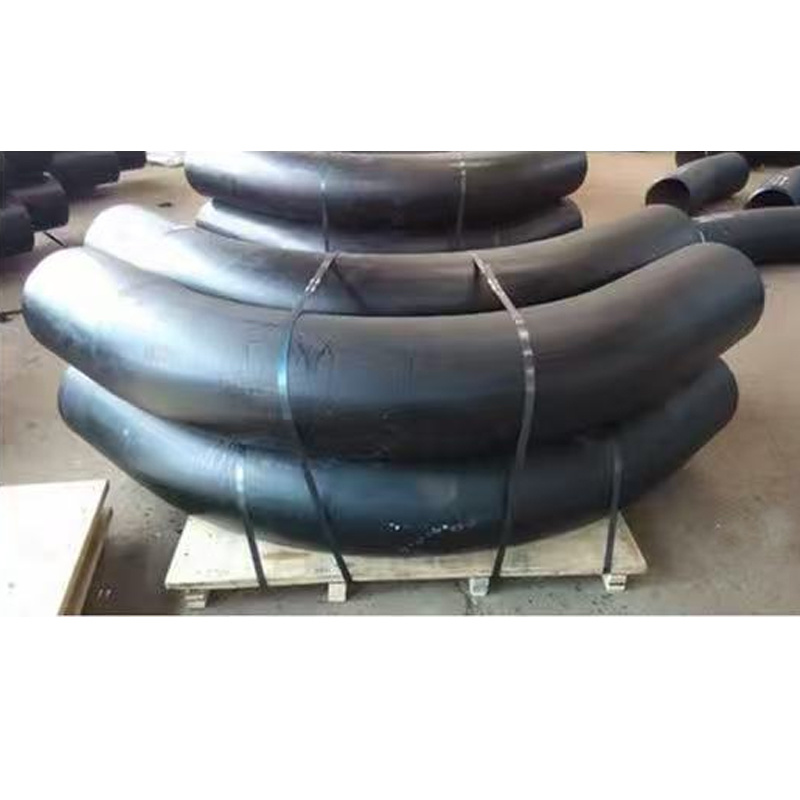
Understanding High-Pressure Plastic-Coated Bends in Industrial Piping Systems
High-pressure plastic-coated bends are critical components in industrial piping systems, especially in applications where durability and resistance to corrosion are paramount. These bends are specifically designed to manage the flow of fluids or gases under high-pressure conditions while maintaining optimal performance and reliability.
The primary function of high-pressure plastic-coated bends is
Sep 13,2026

How to Maintain High-Pressure Alloy Seamless Steel Pipes for Longevity
How to Maintain High-Pressure Alloy Seamless Steel Pipes for Longevity
Table of Contents
Understanding High-Pressure Alloy Seamless Steel Pipes
The Importance of Maintenance for High-Pressure Pipes
Common Challenges in Maintaining High-Pressure Pipes
Best Practices for Maintaining High-Pressure Alloy Seamless Steel Pipes
Regular Inspections and Assessments
Sep 09,2026
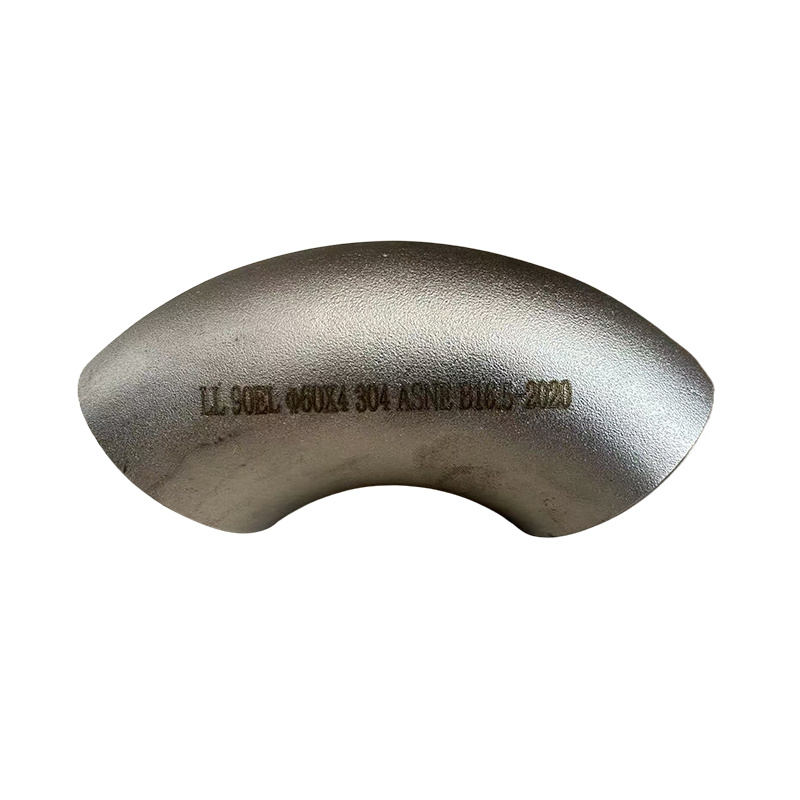
Understanding High-Pressure Alloy Bends: Essential Components for Industrial Piping Systems
High-pressure alloy bends are critical components in the design and operation of industrial piping systems. These bends facilitate the efficient transport of fluids and gases under high-pressure conditions, making them indispensable in various applications, including oil and gas, chemical processing, and power generation.
One of the primary advantages of high-pressure alloy bends is their ability
Sep 05,2026

Service E-mail
Tel
Tel
Address
Room 715, Block A, Qinglin Building, Chentangzhuang, Hexi District, Tianjin
Ask For A Quick Quote
We will contact you within one working day. Please pay attention to your email.