

High-Pressure Petroleum Pipeline Training: Essential Knowledge for Every Technician
Jan 08,2026
High-Pressure Petroleum Pipeline Training: Essential Knowledge for Every Technician
Table of Contents
Understanding High-Pressure Pipelines
Importance of Training for Technicians
Essential Components of Petroleum Pipelines
Safety Protocols in High-Pressure Pipeline Operation
Maintenance Best Practices
Emergency Response Procedures
Regulatory Compliance and Standards
Advanced Training and Certific
High-Pressure Petroleum Pipeline Training: Essential Knowledge for Every Technician
Table of Contents
- Understanding High-Pressure Pipelines
- Importance of Training for Technicians
- Essential Components of Petroleum Pipelines
- Safety Protocols in High-Pressure Pipeline Operation
- Maintenance Best Practices
- Emergency Response Procedures
- Regulatory Compliance and Standards
- Advanced Training and Certifications
- Frequently Asked Questions
- Conclusion
Understanding High-Pressure Pipelines
High-pressure petroleum pipelines are vital for the transportation of crude oil and refined products across vast distances. These pipelines operate at pressures exceeding 1,500 psi, which is significantly higher than standard operational pressures in many other industries. This necessitates specific training and knowledge for technicians tasked with their management, maintenance, and repair.
A high-pressure pipeline system comprises various components, including pipes, valves, pumps, and pressure regulators. Each of these elements plays a critical role in ensuring the safe and efficient transport of petroleum products. Technicians must familiarize themselves with the technical specifications and operational limits of these components to mitigate risks and enhance performance.
Importance of Training for Technicians
Training is imperative for technicians working with high-pressure petroleum pipelines. Proper training ensures that personnel are equipped with essential skills and knowledge to handle the complexities involved in pipeline operations. This includes understanding the engineering principles behind pipeline design, the mechanics of fluid dynamics, and the importance of routine inspections.
Moreover, training fosters a culture of safety within organizations. Technicians who are well-trained are better prepared to recognize potential hazards and implement preventative measures. This reduces the likelihood of accidents, which can lead to environmental disasters and significant financial losses.
Essential Components of Petroleum Pipelines
To operate high-pressure petroleum pipelines safely and effectively, technicians must be familiar with the following key components:
Pipes
The backbone of any pipeline system, pipes are typically made from high-strength steel to withstand the immense pressure. Understanding the different grades of pipe materials, their corrosion resistance, and thermal properties is vital.
Valves
Valves regulate flow and pressure within the pipeline. Types of valves include gate valves, ball valves, and check valves, each serving different functions. Technicians must know when and how to operate these valves to prevent over-pressurization or leaks.
Pumps
Pumps are essential for moving petroleum through pipelines. Technicians need to understand various pumping systems, including centrifugal and positive displacement pumps, and the conditions under which each type is most efficient.
Pressure Regulators
These devices maintain consistent pressure levels throughout the pipeline. Proper operation and maintenance of pressure regulators are crucial for ensuring the integrity of the pipeline.
Monitoring Systems
Advanced monitoring systems, including SCADA (Supervisory Control and Data Acquisition), help technicians remotely monitor pipeline conditions. Familiarity with these systems is increasingly important for real-time decision-making.
Safety Protocols in High-Pressure Pipeline Operation
Safety is paramount in the operation of high-pressure petroleum pipelines. Technicians must adhere to several protocols to ensure not only their safety but also that of the surrounding environment and communities.
Personal Protective Equipment (PPE)
Technicians should always wear appropriate PPE, including hard hats, gloves, goggles, and flame-resistant clothing. This equipment is essential to protect against potential hazards.
Regular Safety Drills
Conducting regular safety drills prepares technicians for emergency situations. These drills should cover scenarios such as leaks, equipment failures, and natural disasters.
Incident Reporting and Investigation
All incidents, regardless of severity, should be reported and investigated thoroughly. This practice helps identify weaknesses in procedures and allows for improvements to be made.
Maintenance Best Practices
Regular maintenance is critical to the longevity and safety of high-pressure petroleum pipelines. Implementing best practices in maintenance can prevent costly downtimes and enhance operational efficiency.
Routine Inspections
Technicians should conduct scheduled inspections to identify wear and tear on pipeline components. This includes visual inspections as well as more advanced techniques such as ultrasonic testing.
Corrosion Management
Corrosion is a significant threat to pipeline integrity. Technicians must apply corrosion prevention techniques, such as cathodic protection and the use of corrosion-resistant materials.
Leak Detection Systems
Investing in leak detection technologies can provide early warnings of potential issues. This allows for swift action to mitigate risks and prevent environmental contamination.
Emergency Response Procedures
In the event of a pipeline emergency, having a well-defined emergency response plan is essential. Technicians must be trained in the following procedures:
Evacuation Protocols
Understanding evacuation routes and procedures can save lives in emergencies. Technicians should regularly review and practice these protocols.
Communication Plans
Effective communication is crucial during emergencies. Technicians must know how to communicate with each other and with external emergency services.
Containment Measures
In case of spills or leaks, technicians should be trained in containment measures to minimize environmental impact. This may involve using absorbent materials or setting up barriers.
Regulatory Compliance and Standards
Compliance with industry regulations is non-negotiable for technicians working with high-pressure petroleum pipelines. Understanding the relevant standards is vital for legal and operational reasons.
Pipeline Safety Regulations
Familiarity with regulations set forth by organizations such as the Pipeline and Hazardous Materials Safety Administration (PHMSA) helps technicians ensure their operations comply with federal standards.
Environmental Regulations
Technicians must also be aware of environmental regulations related to pipeline operations. This includes laws governing spill response and protection of local ecosystems.
Advanced Training and Certifications
For those looking to advance their careers in high-pressure petroleum pipeline operations, pursuing additional training and certifications can set them apart.
Specialized Certifications
Certifications such as Certified Pipeline Technician (CPT) and certifications offered by the American Society of Mechanical Engineers (ASME) can demonstrate advanced knowledge and commitment to safety.
Continuous Education
The petroleum industry is continually evolving with new technologies and regulations. Technicians should engage in continuous education opportunities to stay updated on best practices and innovations.
Frequently Asked Questions
What qualifications are necessary to work with high-pressure petroleum pipelines?
A background in engineering or technical fields combined with relevant training and certifications is typically required.
How often should pipeline inspections occur?
Inspections should be conducted regularly, with frequency determined by operational risks and regulatory requirements.
What safety gear is essential for technicians?
Essential safety gear includes helmets, gloves, goggles, and flame-resistant clothing.
How can technicians detect leaks in pipelines?
Technicians can use various methods, including odor detection, pressure monitoring, and advanced leak detection technologies.
What are the consequences of non-compliance with regulations?
Non-compliance can lead to fines, legal action, and increased risk of accidents or environmental damage.
Conclusion
High-pressure petroleum pipeline training is foundational for technicians in the petroleum industry. Understanding the components, safety protocols, maintenance best practices, and regulatory compliance equips technicians with the knowledge necessary to operate effectively and safely. Investing in comprehensive training and continuous education not only enhances individual career prospects but also contributes to the overall safety and efficiency of pipeline operations. With the right training, technicians can navigate the complexities of high-pressure petroleum pipelines while ensuring compliance, safety, and environmental stewardship.
Key words:
RELATED INFORMATION
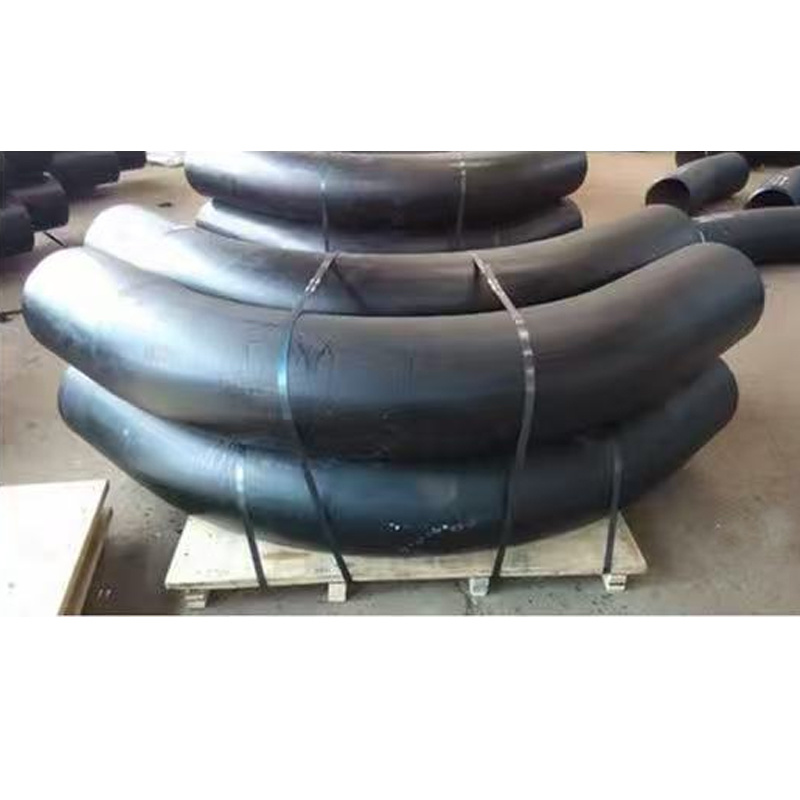
Understanding High-Pressure Plastic-Coated Bends in Industrial Piping Systems
High-pressure plastic-coated bends are critical components in industrial piping systems, especially in applications where durability and resistance to corrosion are paramount. These bends are specifically designed to manage the flow of fluids or gases under high-pressure conditions while maintaining optimal performance and reliability.
The primary function of high-pressure plastic-coated bends is
Sep 13,2026

How to Maintain High-Pressure Alloy Seamless Steel Pipes for Longevity
How to Maintain High-Pressure Alloy Seamless Steel Pipes for Longevity
Table of Contents
Understanding High-Pressure Alloy Seamless Steel Pipes
The Importance of Maintenance for High-Pressure Pipes
Common Challenges in Maintaining High-Pressure Pipes
Best Practices for Maintaining High-Pressure Alloy Seamless Steel Pipes
Regular Inspections and Assessments
Sep 09,2026
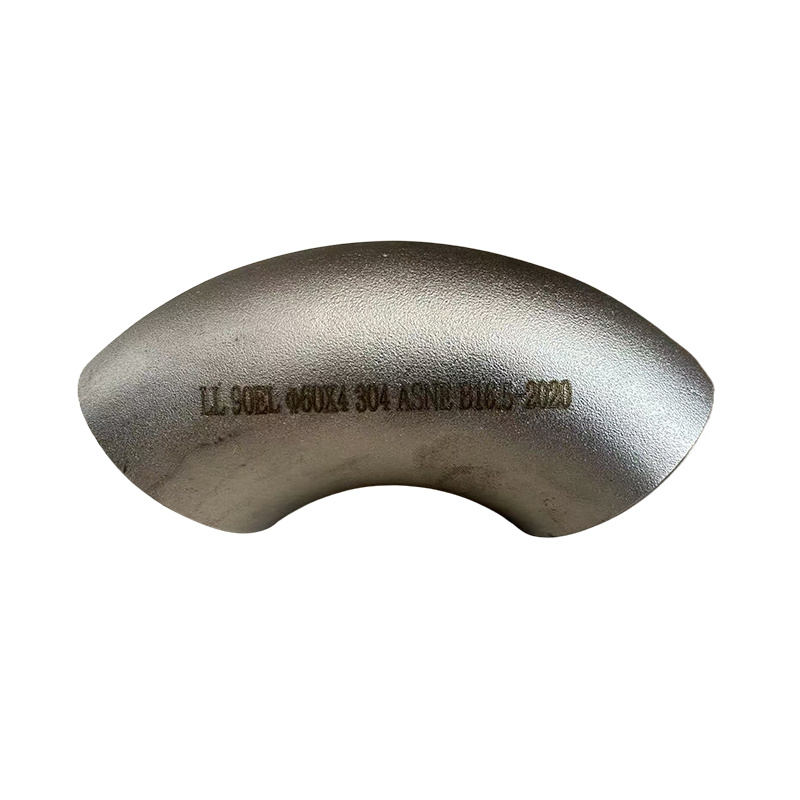
Understanding High-Pressure Alloy Bends: Essential Components for Industrial Piping Systems
High-pressure alloy bends are critical components in the design and operation of industrial piping systems. These bends facilitate the efficient transport of fluids and gases under high-pressure conditions, making them indispensable in various applications, including oil and gas, chemical processing, and power generation.
One of the primary advantages of high-pressure alloy bends is their ability
Sep 05,2026

Service E-mail
Tel
Tel
Address
Room 715, Block A, Qinglin Building, Chentangzhuang, Hexi District, Tianjin
Ask For A Quick Quote
We will contact you within one working day. Please pay attention to your email.