

The Importance of Quality in High-Pressure Alloy Seamless Steel Pipe Production: Ensuring Durability and Reliability
Mar 10,2026
The Importance of Quality in High-Pressure Alloy Seamless Steel Pipe Production
High-pressure alloy seamless steel pipes are crucial components in various industrial applications, including oil and gas, power generation, and chemical processing. The integrity of these pipes is paramount as they must withstand extreme conditions and pressures. Hence, understanding the importance of quality in their
The Importance of Quality in High-Pressure Alloy Seamless Steel Pipe Production
High-pressure alloy seamless steel pipes are crucial components in various industrial applications, including oil and gas, power generation, and chemical processing. The integrity of these pipes is paramount as they must withstand extreme conditions and pressures. Hence, understanding the importance of quality in their production is essential for manufacturers, engineers, and stakeholders in these industries.
Understanding High-Pressure Alloy Seamless Steel Pipes
High-pressure alloy seamless steel pipes differ from welded pipes due to their manufacturing process. Seamless pipes are created from a solid round steel billet, which is heated and then formed into a pipe without any seams or welds. This manufacturing method enhances the pipe's strength and pressure resistance, making it ideal for high-stress applications.
Key Characteristics of High-Pressure Alloy Seamless Steel Pipes
Several characteristics define high-pressure alloy seamless steel pipes, including:
- **Strength**: The absence of seams eliminates weak points, allowing these pipes to handle higher pressure and temperature.
- **Corrosion Resistance**: Alloying elements, such as chromium and nickel, improve the resistance to corrosion, making these pipes suitable for harsh environments.
- **Machinability**: High-quality seamless pipes can be machined and fabricated to meet specific design requirements.
The Manufacturing Process of High-Pressure Alloy Seamless Steel Pipes
The production of high-pressure alloy seamless steel pipes involves several critical stages that must be executed with precision.
Stage 1: Material Selection
The selection of raw materials is a crucial first step. High-quality alloys, such as ASTM A335 P11 and P22, are commonly used due to their excellent mechanical properties and resistance to high temperatures and pressures. Choosing the right alloy ensures that the final product will perform well under demanding conditions.
Stage 2: Billet Preparation
Once the material is selected, the steel billets undergo a heating process. This heating prepares the billets for the next steps by making them malleable. The temperature must be carefully controlled to avoid compromising the material's integrity.
Stage 3: Pipe Formation
The heated billets are then pierced using a piercing mill and elongated into a hollow tube. This seamless formation process is critical as it eliminates welds that can weaken the pipe structure. The walls of the pipe are subsequently reduced in thickness to achieve the required specifications.
Stage 4: Heat Treatment
After forming, the pipes undergo heat treatment processes such as normalizing or quenching. These treatments enhance the steel's mechanical properties, ensuring that the pipes can withstand high pressures and extreme temperatures.
Stage 5: Finishing Processes
Finishing processes, including surface treatment and inspection, ensure that the pipes meet stringent quality standards. Surface treatments can include pickling, passivation, or coating to improve corrosion resistance.
Quality Control Measures in Pipe Production
Quality control is integral to the production of high-pressure alloy seamless steel pipes. Robust quality assurance measures are implemented throughout the manufacturing process to guarantee the final product's integrity.
Material Testing
Before production begins, the raw materials undergo rigorous testing for chemical composition and mechanical properties. This ensures that only materials meeting industry standards are used.
Dimensional Inspection
Dimensional inspections are conducted at various stages of production to ensure that the pipes meet specified tolerances. This includes measuring the diameter, wall thickness, and length.
Non-Destructive Testing (NDT)
NDT methods, such as ultrasonic testing or radiographic testing, are employed to detect internal and external flaws without damaging the pipes. These tests help ensure that the pipes meet safety and performance standards.
Documentation and Certification
Comprehensive documentation is maintained throughout the production process. This includes material certificates, test reports, and inspection records, which are crucial for traceability and compliance with industry regulations.
The Role of Quality in Industry Applications
High-pressure alloy seamless steel pipes find applications in several industries, where quality is paramount.
Oil and Gas Industry
In the oil and gas sector, these pipes are used for transporting crude oil and natural gas under high pressure. Quality assurance prevents leaks and ensures safety in hazardous environments.
Power Generation
In power plants, seamless pipes are used in high-pressure steam lines, where any failure can lead to catastrophic consequences. High-quality production guarantees reliability and efficiency.
Chemical Processing
Chemical plants require pipes that can withstand corrosive substances and high-pressure conditions. The quality of these pipes directly impacts the safety and efficiency of chemical processes.
Challenges in Maintaining Quality Standards
Maintaining high-quality standards in the production of high-pressure alloy seamless steel pipes poses challenges.
Raw Material Variability
Variability in raw material quality can impact the final product. It is essential to establish reliable supply chains and conduct thorough testing to mitigate this risk.
Production Consistency
Ensuring consistency in production processes is crucial. This involves regular maintenance of machinery, staff training, and adherence to established protocols.
Regulatory Compliance
Manufacturers must adhere to various industry standards and regulations, such as ASTM, ASME, and ISO. Staying updated with these standards is essential for maintaining quality and competitiveness.
Future Trends in High-Pressure Alloy Seamless Steel Pipe Production
The industry is evolving, and several trends are shaping the future of high-pressure alloy seamless steel pipe production.
Advancements in Material Science
Innovations in alloy development are leading to stronger and more corrosion-resistant materials. This can enhance the performance and longevity of high-pressure pipes.
Automation and Industry 4.0
The integration of automation and digital technologies in manufacturing processes can improve efficiency, reduce human error, and ensure consistent quality.
Sustainability Practices
With increasing emphasis on sustainability, manufacturers are adopting eco-friendly practices, such as recycling materials and reducing waste during production.
Conclusion
Quality in the production of high-pressure alloy seamless steel pipes is not merely an option; it is a necessity. From material selection to final inspections, a commitment to quality ensures the safety, durability, and reliability of pipes used across various industries. As demands continue to evolve, manufacturers must adapt, embracing new technologies and practices to maintain the highest standards in their production processes. By prioritizing quality, we can ensure that these essential components perform optimally, contributing to the overall efficiency and safety of industrial applications.
FAQs
1. What are high-pressure alloy seamless steel pipes?
High-pressure alloy seamless steel pipes are pipes made from high-alloy steel that are formed without any seams, allowing them to withstand high pressure and temperature.
2. Why are seamless pipes preferred over welded pipes?
Seamless pipes are preferred because they lack welds, eliminating weak points, and providing greater strength and pressure resistance.
3. What industries use high-pressure alloy seamless steel pipes?
These pipes are widely used in the oil and gas, power generation, and chemical processing industries.
4. What quality control measures are implemented during production?
Quality control measures include material testing, dimensional inspections, non-destructive testing, and comprehensive documentation.
5. How do advancements in material science impact production?
Advancements in material science lead to the development of stronger and more corrosion-resistant alloys, enhancing the performance and longevity of high-pressure pipes.
By focusing on these critical aspects of quality in high-pressure alloy seamless steel pipe production, manufacturers can ensure their products meet the rigorous demands of modern industrial applications.
Key words:
RELATED INFORMATION
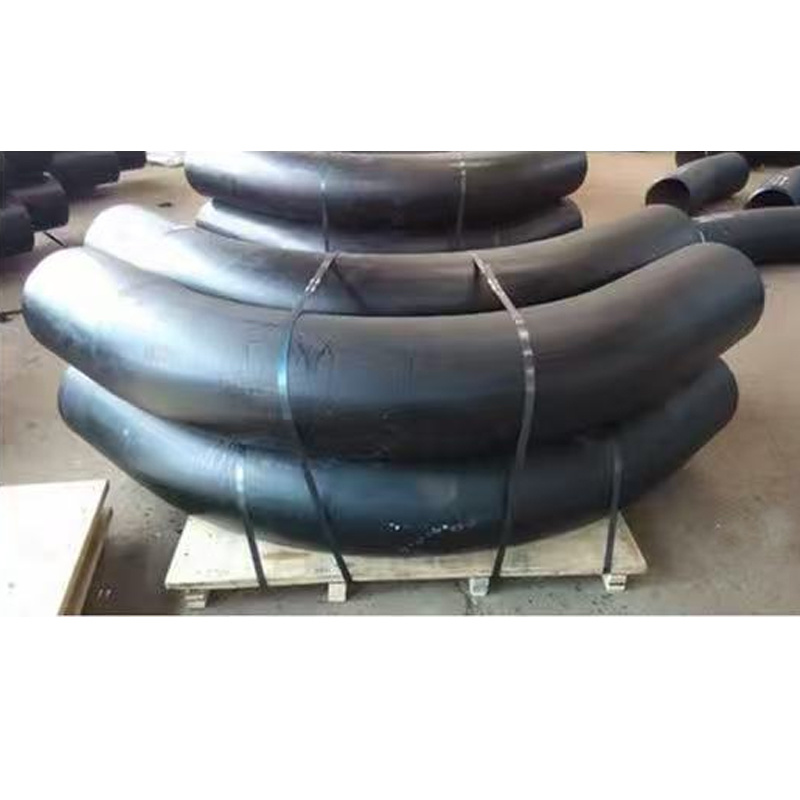
Understanding High-Pressure Plastic-Coated Bends in Industrial Piping Systems
High-pressure plastic-coated bends are critical components in industrial piping systems, especially in applications where durability and resistance to corrosion are paramount. These bends are specifically designed to manage the flow of fluids or gases under high-pressure conditions while maintaining optimal performance and reliability.
The primary function of high-pressure plastic-coated bends is
Sep 13,2026

How to Maintain High-Pressure Alloy Seamless Steel Pipes for Longevity
How to Maintain High-Pressure Alloy Seamless Steel Pipes for Longevity
Table of Contents
Understanding High-Pressure Alloy Seamless Steel Pipes
The Importance of Maintenance for High-Pressure Pipes
Common Challenges in Maintaining High-Pressure Pipes
Best Practices for Maintaining High-Pressure Alloy Seamless Steel Pipes
Regular Inspections and Assessments
Sep 09,2026
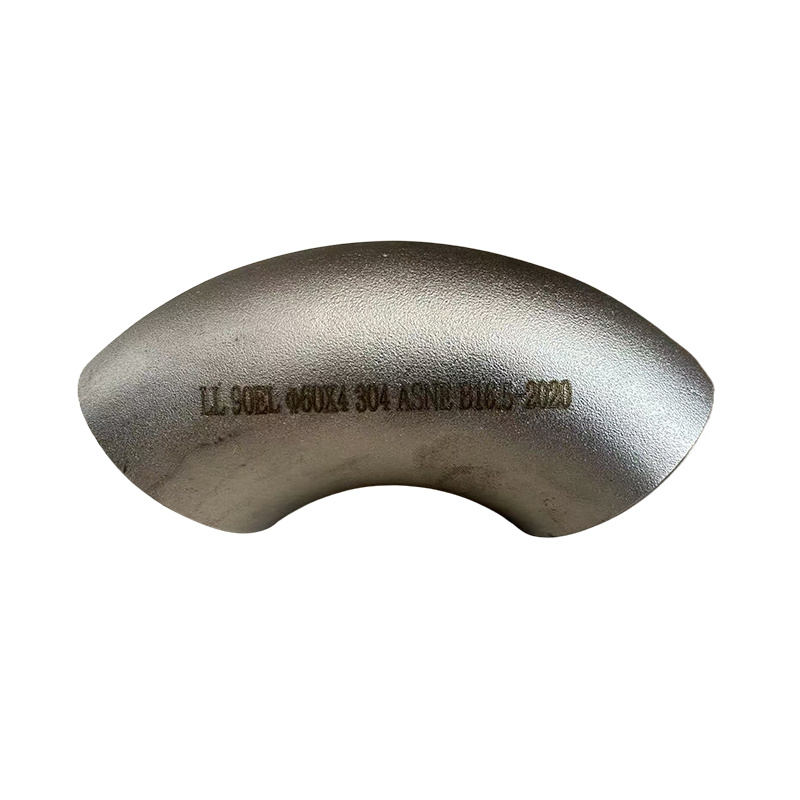
Understanding High-Pressure Alloy Bends: Essential Components for Industrial Piping Systems
High-pressure alloy bends are critical components in the design and operation of industrial piping systems. These bends facilitate the efficient transport of fluids and gases under high-pressure conditions, making them indispensable in various applications, including oil and gas, chemical processing, and power generation.
One of the primary advantages of high-pressure alloy bends is their ability
Sep 05,2026

Service E-mail
Tel
Tel
Address
Room 715, Block A, Qinglin Building, Chentangzhuang, Hexi District, Tianjin
Ask For A Quick Quote
We will contact you within one working day. Please pay attention to your email.