

The Role of High-Pressure Stainless Steel Seamless Pipes in Sustainable Building Practices
Mar 16,2026
The Role of High-Pressure Stainless Steel Seamless Pipes in Sustainable Building Practices
Table of Contents
1. Introduction to High-Pressure Stainless Steel Seamless Pipes
2. The Sustainability Benefits of Using Stainless Steel
3. Key Applications in Modern Construction
4. Corrosion Resistance and Longevity
5. Energy Efficiency in Manufacturing Processes
6. The Recycl
The Role of High-Pressure Stainless Steel Seamless Pipes in Sustainable Building Practices
Table of Contents
- 1. Introduction to High-Pressure Stainless Steel Seamless Pipes
- 2. The Sustainability Benefits of Using Stainless Steel
- 3. Key Applications in Modern Construction
- 4. Corrosion Resistance and Longevity
- 5. Energy Efficiency in Manufacturing Processes
- 6. The Recyclability of Stainless Steel
- 7. Compliance with Building Standards and Regulations
- 8. Future Trends in Sustainable Building Materials
- 9. FAQs About High-Pressure Stainless Steel Seamless Pipes
- 10. Conclusion
1. Introduction to High-Pressure Stainless Steel Seamless Pipes
In the evolving landscape of construction materials, **high-pressure stainless steel seamless pipes** have emerged as a pivotal component in promoting sustainable building practices. These pipes are not only renowned for their strength and durability but also for their significant role in enhancing the efficiency and sustainability of modern architectural projects. As we delve into the multifaceted advantages of these pipes, we will uncover how they contribute to environmentally friendly construction.
2. The Sustainability Benefits of Using Stainless Steel
Stainless steel is celebrated for its **eco-friendly properties**. Its ability to withstand harsh environmental conditions without degrading makes it a sustainable choice for construction. The **high-pressure seamless pipes** made from stainless steel offer several sustainability benefits, including:
2.1 Reduced Material Waste
The manufacturing process of **seamless pipes** minimizes material wastage compared to welded pipes. This reduction in scrap not only conserves raw materials but also decreases the overall environmental footprint of construction projects.
2.2 Lower Carbon Emission Production
High-pressure stainless steel seamless pipes are produced with advanced technologies that lower carbon emissions during manufacturing. These innovative techniques align with global efforts to reduce greenhouse gases.
2.3 Enhanced Resource Efficiency
The long lifespan of stainless steel requires fewer replacements, leading to efficient use of resources. Over the life cycle of a building, using **high-pressure seamless pipes** results in fewer resources being consumed, thereby promoting sustainability.
3. Key Applications in Modern Construction
High-pressure stainless steel seamless pipes find extensive applications in various sectors of the construction industry. Their versatility is evident in:
3.1 Water Supply Systems
These pipes are ideal for potable water systems, ensuring the delivery of safe drinking water. Their resistance to corrosion ensures the integrity of water quality over time.
3.2 Structural Applications
In high-rise buildings and bridges, **high-pressure stainless steel seamless pipes** provide the structural integrity necessary for safety and durability. Their strength allows for thinner walls and lighter designs, reducing the overall weight of structures.
3.3 HVAC Systems
The use of stainless steel pipes in heating, ventilation, and air conditioning systems promotes energy efficiency. Their thermal conductivity properties help maintain optimal temperatures with minimal energy loss.
4. Corrosion Resistance and Longevity
One of the standout features of high-pressure stainless steel seamless pipes is their exceptional **corrosion resistance**. The alloy composition of stainless steel, particularly the presence of chromium, forms a protective layer that shields the pipes from rust and degradation.
4.1 Extended Lifespan
The durability of these pipes translates into a longer lifespan, which is crucial for sustainable building practices. Fewer repairs and replacements mean less waste and lower long-term costs for building owners.
4.2 Reduced Maintenance Costs
The corrosion resistance leads to significantly reduced maintenance requirements. Building owners can save money and resources over the years, further supporting eco-friendly practices.
5. Energy Efficiency in Manufacturing Processes
The production of high-pressure stainless steel seamless pipes incorporates energy-efficient practices that align with sustainable building goals.
5.1 Advanced Manufacturing Techniques
Modern manufacturing methods utilize less energy and generate fewer emissions. These techniques include **continuous casting** and **heat treatment processes** that optimize the use of energy while maintaining high-quality production standards.
5.2 Lifecycle Assessment
When evaluating the **life cycle** of stainless steel products, it's evident that they consume less energy over time compared to alternative materials. This assessment fosters informed decision-making among builders and architects striving for sustainability.
6. The Recyclability of Stainless Steel
Another significant aspect of high-pressure stainless steel seamless pipes is their **recyclability**. Stainless steel is one of the most recycled materials in the world, allowing for closed-loop production cycles.
6.1 Contribution to Circular Economy
Using recycled stainless steel not only conserves resources but also reduces energy consumption significantly. This aligns with the principles of the **circular economy**, where waste is minimized, and materials are reused.
6.2 Encouragement of Sustainable Practices
The high recyclability rate of stainless steel encourages manufacturers to adopt sustainable practices. As industries move towards greener solutions, the demand for recyclable materials like stainless steel will continue to rise.
7. Compliance with Building Standards and Regulations
High-pressure stainless steel seamless pipes comply with various national and international building standards. This compliance is essential for architects and builders aiming to meet regulatory requirements while also adhering to sustainable practices.
7.1 Quality Assurance
The stringent quality control measures associated with these pipes ensure that they meet safety and performance standards. This reliability is crucial in construction, where any compromise can have significant consequences.
7.2 Certifications and Recognition
Many high-pressure stainless steel seamless pipe manufacturers seek certifications that highlight their commitment to sustainability. These recognitions provide builders and architects with the confidence that their materials will support eco-friendly practices.
8. Future Trends in Sustainable Building Materials
As the construction industry continues to evolve, the demand for sustainable building materials will grow. Trends shaping the future include:
8.1 Innovations in Materials Technology
Emerging technologies will lead to the development of even more efficient stainless steel alloys, enhancing their properties and applications in sustainable building.
8.2 Increased Focus on Green Certifications
More builders will prioritize materials that carry green certifications, pushing manufacturers to improve their sustainability practices and product offerings.
9. FAQs About High-Pressure Stainless Steel Seamless Pipes
9.1 What are the advantages of high-pressure stainless steel seamless pipes over welded pipes?
High-pressure stainless steel seamless pipes offer superior strength, corrosion resistance, and reduced risk of leaks compared to welded pipes. They also minimize material waste during production.
9.2 How do high-pressure stainless steel pipes contribute to energy efficiency in buildings?
These pipes optimize heating and cooling systems, reducing energy loss and enhancing overall efficiency, which contributes to lower operational costs.
9.3 Are high-pressure stainless steel pipes environmentally friendly?
Yes, their durability, recyclability, and lower carbon emissions during manufacturing make them an environmentally friendly choice for sustainable construction.
9.4 What maintenance is required for stainless steel seamless pipes?
Minimal maintenance is required due to their corrosion resistance. Regular inspections are recommended to ensure optimal performance.
9.5 How do high-pressure stainless steel pipes perform in extreme weather conditions?
These pipes excel in extreme conditions, maintaining their integrity and performance without degradation, making them suitable for diverse climates.
10. Conclusion
High-pressure stainless steel seamless pipes are invaluable in promoting sustainable building practices. Their unique properties—including strength, durability, and recyclability—make them an ideal choice for modern construction. As we continue to strive for eco-friendly solutions, the role of these pipes in enhancing building efficiency and reducing environmental impact cannot be overstated. By integrating high-pressure stainless steel seamless pipes into construction projects, architects and builders take significant strides towards sustainability, ensuring that the structures we create today will stand the test of time while safeguarding our planet for future generations.
Key words:
RELATED INFORMATION
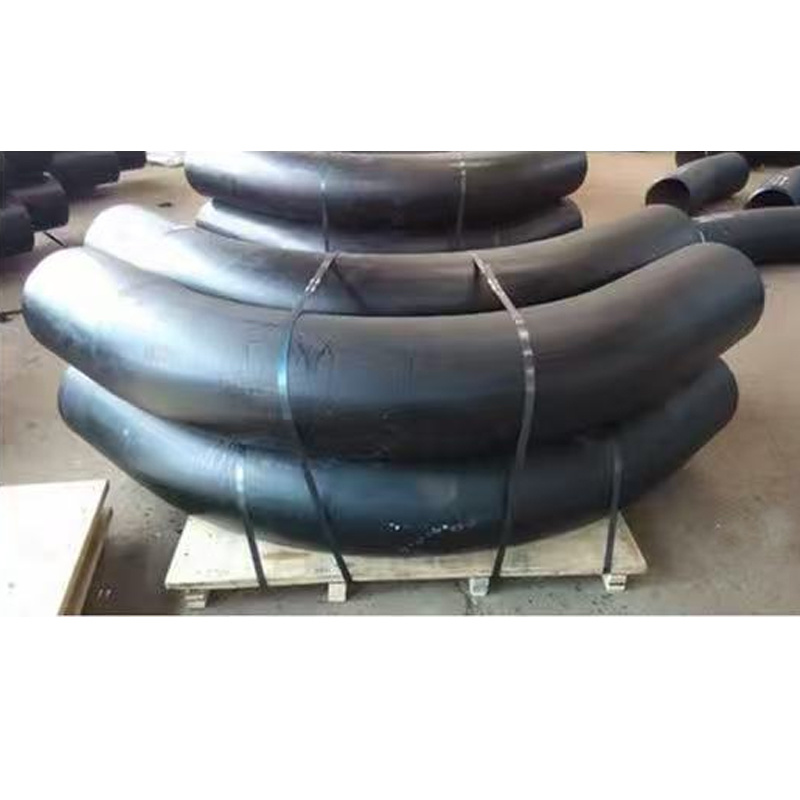
Understanding High-Pressure Plastic-Coated Bends in Industrial Piping Systems
High-pressure plastic-coated bends are critical components in industrial piping systems, especially in applications where durability and resistance to corrosion are paramount. These bends are specifically designed to manage the flow of fluids or gases under high-pressure conditions while maintaining optimal performance and reliability.
The primary function of high-pressure plastic-coated bends is
Sep 13,2026

How to Maintain High-Pressure Alloy Seamless Steel Pipes for Longevity
How to Maintain High-Pressure Alloy Seamless Steel Pipes for Longevity
Table of Contents
Understanding High-Pressure Alloy Seamless Steel Pipes
The Importance of Maintenance for High-Pressure Pipes
Common Challenges in Maintaining High-Pressure Pipes
Best Practices for Maintaining High-Pressure Alloy Seamless Steel Pipes
Regular Inspections and Assessments
Sep 09,2026
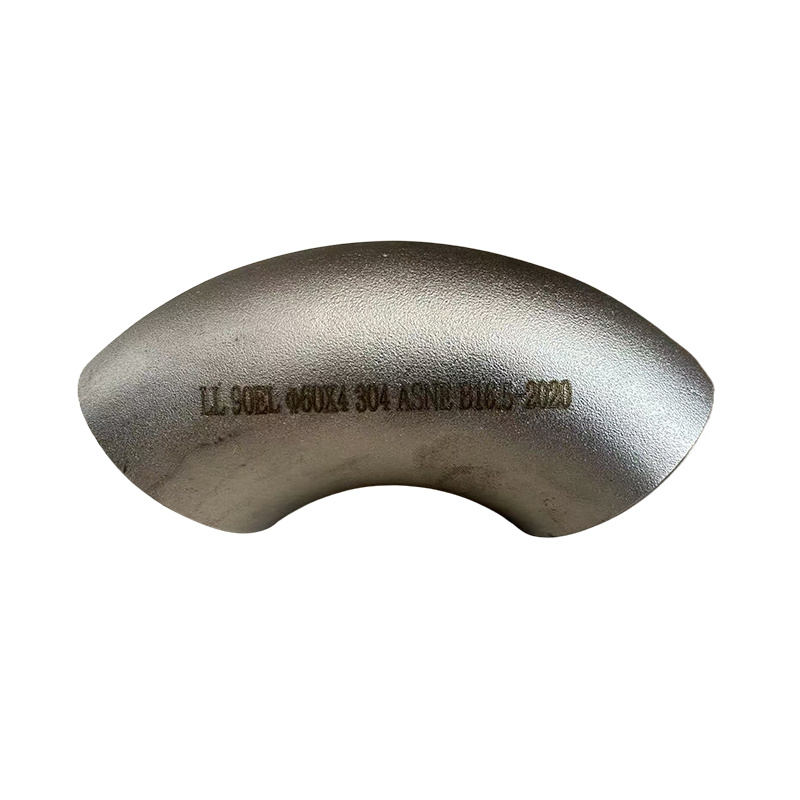
Understanding High-Pressure Alloy Bends: Essential Components for Industrial Piping Systems
High-pressure alloy bends are critical components in the design and operation of industrial piping systems. These bends facilitate the efficient transport of fluids and gases under high-pressure conditions, making them indispensable in various applications, including oil and gas, chemical processing, and power generation.
One of the primary advantages of high-pressure alloy bends is their ability
Sep 05,2026

Service E-mail
Tel
Tel
Address
Room 715, Block A, Qinglin Building, Chentangzhuang, Hexi District, Tianjin
Ask For A Quick Quote
We will contact you within one working day. Please pay attention to your email.