

Plastic-Coated Pipe: A Robust Solution for High-Pressure Systems
Mar 22,2026
Plastic-Coated Pipe: A Robust Solution for High-Pressure Systems
In today's demanding industrial landscape, the need for reliable and efficient piping solutions is paramount, especially for high-pressure systems. This is where **plastic-coated pipes** come into play. These innovative products offer a blend of strength, durability, and resistance to harsh environmental factors, making them an ideal choice for various applications. In this article, we will delve deep into the features, benefits, and considerations regarding plastic-coated pipes in high-pressure systems.
Table of Contents
- What Are Plastic-Coated Pipes?
- Benefits of Plastic-Coated Pipes in High-Pressure Systems
- Applications of Plastic-Coated Pipes
- Types of Plastic-Coated Pipes Available
- Installation Techniques for Plastic-Coated Pipes
- Maintenance and Care for Plastic-Coated Pipes
- Comparison with Other Pipe Materials
- Frequently Asked Questions
- Conclusion
What Are Plastic-Coated Pipes?
Plastic-coated pipes are metal pipes that have been coated with a layer of plastic, usually polyethylene or polypropylene. This coating serves multiple purposes, primarily to enhance the pipe's resistance to corrosion, abrasion, and chemical exposure. The coating also provides additional insulation, which can be vital in high-pressure systems where temperature control is essential.
How Plastic Coating Works
The coating is applied through various methods, including extrusion and immersion, which ensures a uniform layer around the pipe. This uniformity is critical in high-pressure applications, as it prevents weak points where corrosion could initiate. The plastic barrier acts as a shield, protecting the underlying metal from environmental factors and reducing maintenance costs over time.
Benefits of Plastic-Coated Pipes in High-Pressure Systems
When it comes to high-pressure systems, the choice of piping material can significantly impact performance and longevity. Below, we outline the key benefits of using plastic-coated pipes:
1. Corrosion Resistance
One of the most significant advantages of plastic-coated pipes is their enhanced resistance to corrosion. Without the fear of rust or deterioration, these pipes can maintain structural integrity over extended periods, making them a cost-effective solution for high-pressure systems.
2. Enhanced Durability
The combination of metal and plastic creates a robust product that can withstand extreme pressures and temperatures. This durability translates to fewer failures and less downtime, which is crucial in industrial applications where reliability is vital.
3. Chemical Resistance
Plastic coatings are inherently resistant to a wide range of chemicals, ensuring that the pipes can handle various fluids without degrading. This resistance is particularly important in industries like chemical processing and oil and gas, where exposure to corrosive substances is common.
4. Insulation Properties
The plastic coating also provides thermal insulation, which helps maintain fluid temperature within the pipe. This is especially beneficial in high-pressure systems where heat loss can impact overall efficiency.
5. Lower Maintenance Costs
Due to their resistance to corrosion and chemical damage, plastic-coated pipes require less maintenance compared to traditional piping solutions. This reduction in maintenance not only lowers operational costs but also lessens the frequency of replacements.
Applications of Plastic-Coated Pipes
Plastic-coated pipes are used in various industries and applications, including:
1. Oil and Gas Industry
In the oil and gas sector, plastic-coated pipes are essential for transporting crude oil, natural gas, and other fluids under high pressure. Their resistance to corrosion and harsh conditions makes them ideal for this environment.
2. Chemical Processing
In chemical plants, the need for reliable piping solutions that can handle hazardous materials is paramount. Plastic-coated pipes provide the necessary protection against corrosive substances, ensuring safe and efficient transport.
3. Water Distribution
Municipal water systems often utilize plastic-coated pipes to deliver potable water. The corrosion resistance and durability ensure long-lasting performance and safe drinking water supply.
4. HVAC Systems
Plastic-coated pipes can also be found in HVAC systems, where they help manage high-pressure refrigerant lines. The insulation properties of the coating assist in maintaining energy efficiency.
Types of Plastic-Coated Pipes Available
When selecting plastic-coated pipes for high-pressure systems, it’s essential to understand the different types available:
1. Polyethylene (PE) Coated Pipes
Polyethylene-coated pipes offer excellent flexibility and resistance to chemicals, making them suitable for various applications, particularly in the water and gas sectors.
2. Polypropylene (PP) Coated Pipes
Polypropylene-coated pipes are known for their high-temperature resistance, making them ideal for industries where heat is a concern, such as chemical processing.
3. Fusion-Bonded Epoxy Coated Pipes
This type of coating provides a tough, durable surface that is ideal for high-stress applications, offering superior corrosion resistance.
Installation Techniques for Plastic-Coated Pipes
Proper installation is crucial for the performance of plastic-coated pipes. Here are some essential installation techniques:
1. Surface Preparation
Ensure that the surface of the metal pipe is clean and free of contaminants before applying any coatings. Proper preparation promotes adhesion and prevents premature failure.
2. Joining Methods
Utilize appropriate joining methods such as welding, flanging, or mechanical fittings designed for high-pressure applications to ensure a secure connection between pipes.
3. Insulation and Protection
When installing in high-pressure systems, additional insulation or protective measures may be required to prevent damage during operation. Consider using external wraps or jackets as necessary.
Maintenance and Care for Plastic-Coated Pipes
To ensure longevity and optimal performance of plastic-coated pipes, consider the following maintenance practices:
1. Regular Inspections
Conduct routine inspections to identify any signs of wear or damage. Early detection can prevent more significant issues down the line.
2. Cleaning
Keep the exterior of the pipes clean to prevent the buildup of debris and contaminants that could affect performance.
3. Addressing Leaks Promptly
In the event of a leak, it's crucial to address it immediately. Regular monitoring can help catch issues before they escalate.
Comparison with Other Pipe Materials
When evaluating plastic-coated pipes against other materials, it's important to consider various factors:
1. Steel Pipes
While steel pipes offer strength, they are prone to rust and require regular maintenance. In contrast, plastic-coated pipes provide the same strength with added corrosion resistance.
2. PVC Pipes
PVC pipes are lightweight and resistant to chemicals but may not handle high-pressure applications as effectively as plastic-coated metal pipes.
3. Copper Pipes
Copper pipes are excellent for plumbing applications but can be expensive and suffer from corrosion over time. Plastic-coated pipes offer a more cost-effective and durable alternative.
Frequently Asked Questions
1. Are plastic-coated pipes suitable for all types of fluids?
Plastic-coated pipes are designed to handle a wide variety of fluids, but it’s essential to check compatibility with specific chemicals.
2. How long do plastic-coated pipes last?
With proper installation and maintenance, plastic-coated pipes can last several decades, significantly reducing the need for replacements.
3. Can plastic-coated pipes be used underground?
Yes, plastic-coated pipes are suitable for underground applications due to their corrosion resistance and durability.
4. What is the temperature range for plastic-coated pipes?
The temperature tolerance depends on the type of plastic coating; generally, they can handle temperatures from -20°C to 80°C.
5. Are there any special tools required for installation?
Standard plumbing tools are typically sufficient, but specific fittings designed for high-pressure applications are recommended for optimal performance.
Conclusion
Plastic-coated pipes represent a robust solution for high-pressure systems across various industries. Their **corrosion resistance**, **durability**, and **thermal insulation** make them a preferred choice over traditional piping materials. By understanding the benefits, applications, and installation techniques associated with these innovative pipes, businesses can enhance their operational efficiency and reduce costs. Embracing plastic-coated pipes not only leads to longevity and reliability but also supports a more sustainable approach to industrial piping solutions.
Key words:
RELATED INFORMATION
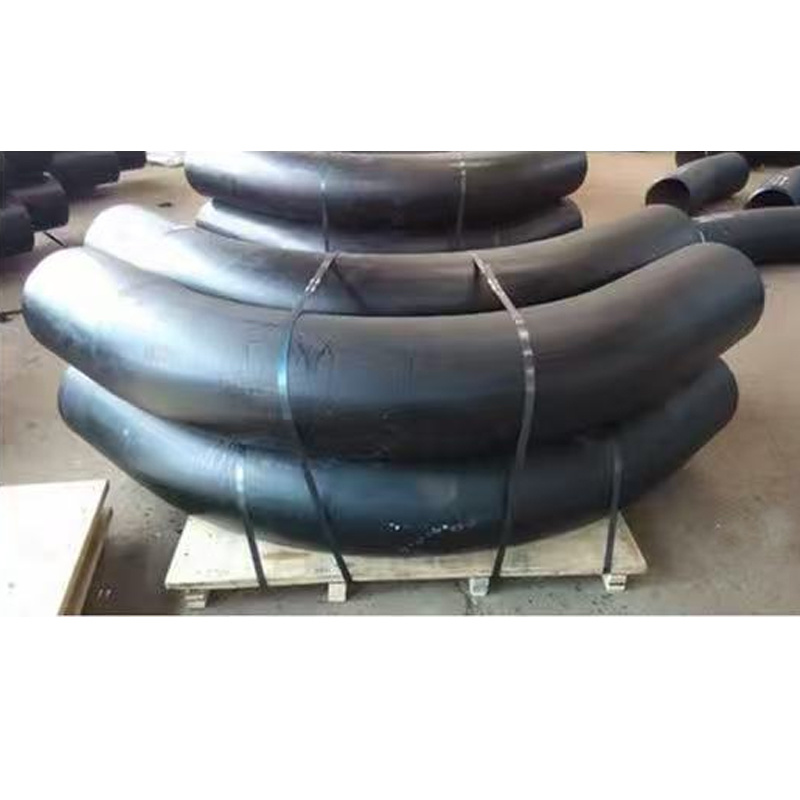
Understanding High-Pressure Plastic-Coated Bends in Industrial Piping Systems
Sep 13,2026

How to Maintain High-Pressure Alloy Seamless Steel Pipes for Longevity
Sep 09,2026
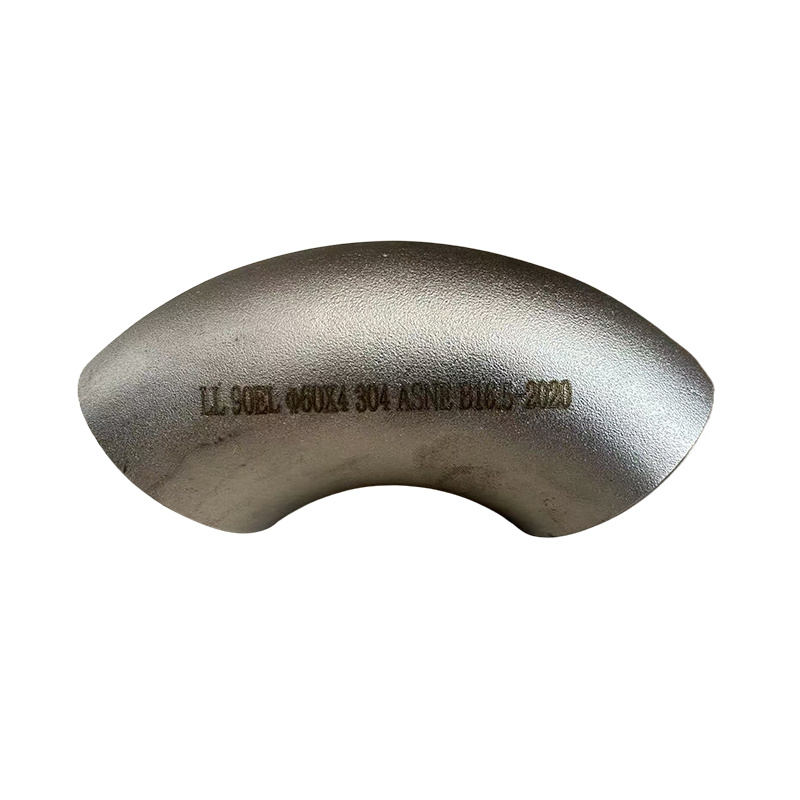
Understanding High-Pressure Alloy Bends: Essential Components for Industrial Piping Systems
Sep 05,2026

Service E-mail
Tel
Tel
Address
Room 715, Block A, Qinglin Building, Chentangzhuang, Hexi District, Tianjin
Ask For A Quick Quote
We will contact you within one working day. Please pay attention to your email.