

The Role of Insulated Pipelines in Reducing Operational Costs
Mar 28,2026
The Role of Insulated Pipelines in Reducing Operational Costs
Introduction to Insulated Pipelines and Their Importance
In today's competitive industrial landscape, cost efficiency and energy conservation remain at the forefront of operational strategies. One solution that has gained prominence is the use of **insulated pipelines**. These pipelines are engineered not only to convey fluids but also
The Role of Insulated Pipelines in Reducing Operational Costs
Introduction to Insulated Pipelines and Their Importance
In today's competitive industrial landscape, cost efficiency and energy conservation remain at the forefront of operational strategies. One solution that has gained prominence is the use of **insulated pipelines**. These pipelines are engineered not only to convey fluids but also to maintain temperature and protect against heat loss or gain. By understanding the vital role insulated pipelines play in reducing operational costs, organizations can optimize their infrastructure and enhance overall performance.
Understanding Insulated Pipelines
What Are Insulated Pipelines?
Insulated pipelines consist of a carrier pipe, insulation layer, and protective outer casing. The carrier pipe transports substances, while the insulation layer minimizes thermal transfer. This configuration is crucial for maintaining the desired temperature of fluids, whether they are hot or cold.
Types of Insulation Materials
Various materials are used for insulation in pipelines, including:
- **Polyurethane Foam**: Known for its excellent thermal resistance and lightweight properties.
- **Fiberglass**: Offers good thermal insulation and is often used in high-temperature applications.
- **Mineral Wool**: Provides fire resistance and is ideal for high-temperature steam applications.
- **Cellular Glass**: Often used for extreme temperatures due to its non-combustible properties.
Each insulation type has unique attributes, making it suitable for different industrial applications.
The Financial Benefits of Insulated Pipelines
1. Reduced Energy Costs
One of the most significant advantages of insulated pipelines is their ability to reduce energy consumption. By minimizing heat loss or gain, companies can lower the energy required to maintain the desired temperature of transported fluids. This reduction translates into substantial cost savings over time, especially for industries that rely heavily on heating or cooling processes.
2. Improved Process Efficiency
Insulated pipelines ensure that fluids maintain their intended temperatures throughout the system. This consistency enhances process efficiency, leading to faster production rates and reduced downtime. When processes operate at optimal temperatures, the likelihood of equipment malfunctions or failures decreases, further contributing to cost savings.
3. Longer Equipment Lifespan
By protecting pipelines from extreme temperatures and environmental factors, insulation extends the lifespan of the equipment. This longevity results in fewer replacements and repairs, which can be a significant part of operational costs. Investing in insulated pipelines is, therefore, a proactive approach to maintenance management.
Implementing Insulated Pipelines in Your Operations
Assessing Your Needs
Before implementing insulated pipelines, it's crucial to assess your specific needs. Consider factors such as the types of fluids being transported, temperature requirements, and environmental conditions. Analyzing these elements will guide you in selecting the appropriate insulation type and thickness.
Design Considerations
The design of insulated pipelines should prioritize functionality and efficiency. Key design considerations include:
- **Pipe Diameter**: Ensure the diameter accommodates the fluid flow rate while maintaining thermal efficiency.
- **Insulation Thickness**: Optimize insulation thickness to balance thermal performance and cost.
- **Material Selection**: Choose insulation materials based on application-specific requirements, such as temperature and pressure ratings.
A well-thought-out design is essential for maximizing the benefits of insulated pipelines.
Installation Best Practices
Proper installation is vital for the effectiveness of insulated pipelines. Follow these best practices:
- **Quality Control**: Ensure that all materials meet industry standards and specifications.
- **Professional Installation**: Engage experienced professionals for installation to avoid common pitfalls that could compromise insulation integrity.
- **Regular Inspections**: Conduct routine inspections to identify potential issues early, allowing for timely interventions.
Adhering to these practices ensures the long-term success of your insulated pipelines.
Case Studies: Success Stories of Insulated Pipelines
Case Study 1: Oil and Gas Industry
In the oil and gas sector, insulated pipelines are essential for transporting hot crude oil over long distances. One company reported a **25% reduction** in energy costs by implementing insulated systems. By maintaining the oil temperature above its pour point, the company minimized the risk of blockages and improved flow rates, leading to fewer operational interruptions.
Case Study 2: Food and Beverage Industry
A leading beverage manufacturer faced challenges with maintaining product temperature during transport. By installing insulated pipelines, the company achieved a **30% increase** in process efficiency. The insulated system ensured consistent temperatures, enhancing product quality and reducing wastage due to spoilage.
Challenges and Considerations in Using Insulated Pipelines
1. Initial Costs
While insulated pipelines provide long-term savings, the initial investment can be significant. Companies must weigh the upfront costs against the potential for reduced operational expenses over time.
2. Maintenance Requirements
Insulated pipelines require regular inspections to ensure insulation remains intact and effective. A proactive maintenance schedule can help mitigate potential issues and prolong the life of the system.
3. Environmental Impact
Choosing insulation materials that are environmentally friendly is crucial for sustainability. Companies should consider options that minimize environmental impact without compromising performance.
Future Trends in Insulated Pipeline Technology
As industries continue to prioritize sustainability and energy efficiency, advancements in insulated pipeline technology are expected to evolve. Innovations may include:
- **Smart Insulation Materials**: These materials can adapt to changing temperatures, providing enhanced thermal performance.
- **Biodegradable Insulation Options**: Companies may start adopting more environmentally friendly materials that reduce waste.
Staying informed about these trends will allow businesses to continue optimizing their operations with the latest technology.
Frequently Asked Questions (FAQs)
1. What are the primary benefits of insulated pipelines?
**Insulated pipelines reduce energy costs, improve process efficiency, and extend the lifespan of equipment, contributing to overall operational savings.**
2. How do I choose the right insulation material for my pipeline?
**Consider factors such as the types of fluids being transported, required temperature ranges, and environmental conditions when selecting insulation materials.**
3. Are insulated pipelines more expensive to install than traditional pipelines?
**While the initial investment may be higher, insulated pipelines can lead to significant cost savings over time due to lower energy consumption and maintenance costs.**
4. How often should insulated pipelines be inspected?
**Routine inspections are recommended to identify potential issues early, with specific frequency determined based on operational conditions and regulations.**
5. Can insulated pipelines be used in all industries?
**Yes, insulated pipelines are versatile and can be utilized across various industries, including oil and gas, food and beverage, and chemical manufacturing, among others.**
Conclusion
The use of insulated pipelines represents a strategic approach to reducing operational costs while enhancing efficiency and reliability in industrial applications. By understanding the benefits, implementation strategies, and ongoing maintenance requirements, organizations can leverage insulated pipelines to optimize their operations. Investing in this technology not only contributes to immediate cost savings but also aligns with long-term sustainability goals, making it a vital consideration for any forward-thinking enterprise. As industries evolve, insulated pipelines will continue to play a pivotal role in shaping efficient and cost-effective operations.
Key words:
RELATED INFORMATION
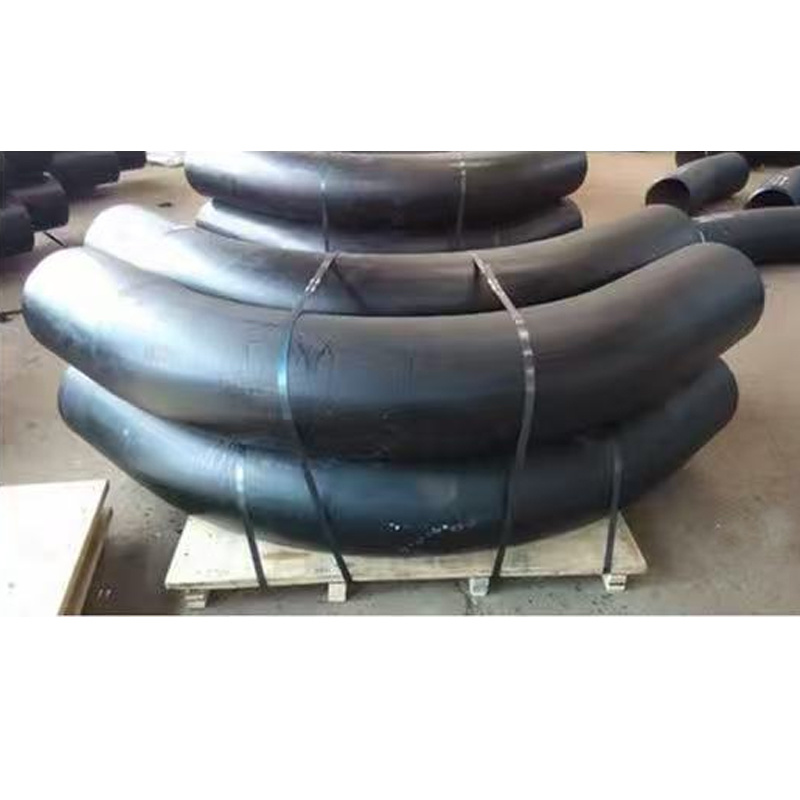
Understanding High-Pressure Plastic-Coated Bends in Industrial Piping Systems
High-pressure plastic-coated bends are critical components in industrial piping systems, especially in applications where durability and resistance to corrosion are paramount. These bends are specifically designed to manage the flow of fluids or gases under high-pressure conditions while maintaining optimal performance and reliability.
The primary function of high-pressure plastic-coated bends is
Sep 13,2026

How to Maintain High-Pressure Alloy Seamless Steel Pipes for Longevity
How to Maintain High-Pressure Alloy Seamless Steel Pipes for Longevity
Table of Contents
Understanding High-Pressure Alloy Seamless Steel Pipes
The Importance of Maintenance for High-Pressure Pipes
Common Challenges in Maintaining High-Pressure Pipes
Best Practices for Maintaining High-Pressure Alloy Seamless Steel Pipes
Regular Inspections and Assessments
Sep 09,2026
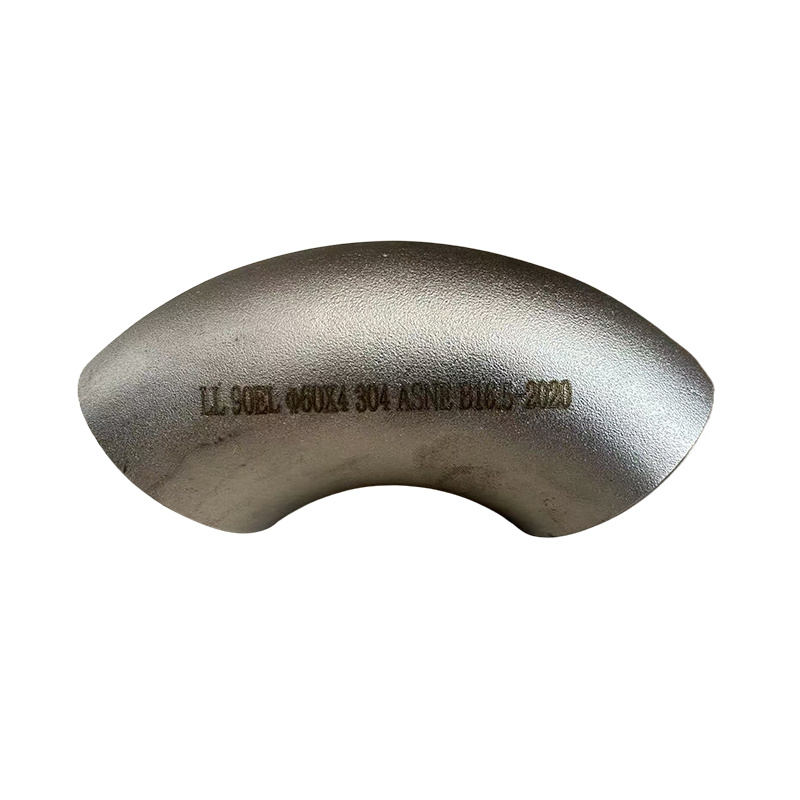
Understanding High-Pressure Alloy Bends: Essential Components for Industrial Piping Systems
High-pressure alloy bends are critical components in the design and operation of industrial piping systems. These bends facilitate the efficient transport of fluids and gases under high-pressure conditions, making them indispensable in various applications, including oil and gas, chemical processing, and power generation.
One of the primary advantages of high-pressure alloy bends is their ability
Sep 05,2026

Service E-mail
Tel
Tel
Address
Room 715, Block A, Qinglin Building, Chentangzhuang, Hexi District, Tianjin
Ask For A Quick Quote
We will contact you within one working day. Please pay attention to your email.