

High-Pressure Stainless Steel Seamless Pipes: Key Features That Set Them Apart
Apr 15,2026
High-Pressure Stainless Steel Seamless Pipes: Key Features That Set Them Apart
Introduction to High-Pressure Stainless Steel Seamless Pipes
High-pressure stainless steel seamless pipes have gained significant traction in various industries, especially in construction, oil and gas, and manufacturing. These pipes are renowned for their ability to withstand high pressures while maintaining struct
High-Pressure Stainless Steel Seamless Pipes: Key Features That Set Them Apart
Introduction to High-Pressure Stainless Steel Seamless Pipes
High-pressure stainless steel seamless pipes have gained significant traction in various industries, especially in construction, oil and gas, and manufacturing. These pipes are renowned for their ability to withstand high pressures while maintaining structural integrity. This article delves into the distinctive features of these pipes that set them apart from other piping options.
What Are High-Pressure Stainless Steel Seamless Pipes?
High-pressure stainless steel seamless pipes are manufactured without any welded joints, making them ideal for applications that demand high strength and durability. Their seamless design offers a uniform structure, which significantly reduces the risk of leaks and failures under high-pressure conditions. This construction method enhances the overall performance of the pipes in extreme environments.
Material Composition
The primary material used in the production of high-pressure stainless steel seamless pipes is a chromium-nickel alloy, which provides excellent corrosion resistance. The addition of elements like molybdenum and nitrogen further enhances their strength and resistance to pitting corrosion. Common grades include ASTM A312 and ASTM A790, known for their durability and mechanical properties.
Key Features of High-Pressure Stainless Steel Seamless Pipes
Understanding the features that set these pipes apart is crucial for selecting the right materials for your projects. Here are the key attributes:
1. Exceptional Strength and Durability
High-pressure stainless steel seamless pipes exhibit superior tensile strength, making them capable of withstanding extreme pressures and temperatures. This durability ensures that they maintain their shape and integrity even in the most challenging environments.
2. Corrosion Resistance
One of the most significant advantages of stainless steel is its resistance to corrosion. These pipes are designed to resist various corrosive substances, including acids and saltwater, making them ideal for marine applications and chemical processing.
3. High Thermal Conductivity
Stainless steel has a high thermal conductivity, allowing for efficient heat transfer. This property is essential in applications where temperature control is critical, such as in heat exchangers and boiler systems.
4. Wide Range of Applications
High-pressure stainless steel seamless pipes are versatile and can be used in various sectors, including oil and gas, chemical manufacturing, food processing, and construction. Their adaptability in different environments is a significant advantage.
5. Lightweight Yet Strong
Compared to other materials like carbon steel, stainless steel pipes are lighter yet provide the same or even better strength. This characteristic facilitates easier installation and handling, reducing labor costs and improving efficiency.
Manufacturing Process of High-Pressure Stainless Steel Seamless Pipes
The manufacturing process of high-pressure stainless steel seamless pipes involves several critical steps that ensure their quality and performance.
1. Billet Preparation
The process begins with the selection of high-quality stainless steel billets, which are heated and pierced to create a hollow pipe.
2. Elongation and Reduction
After piercing, the hollow billet is elongated and reduced in size through a series of processes, including rotary piercing and elongation, to achieve the desired dimensions.
3. Heat Treatment
Post elongation, the pipes undergo heat treatment to relieve internal stresses and enhance mechanical properties, ensuring they meet the required specifications for high-pressure applications.
4. Final Inspection and Testing
Before being released for sale, each pipe undergoes rigorous inspection and testing to ensure it meets industry standards. This quality control step includes non-destructive testing, dimensional checks, and hydrostatic testing.
Advantages of Using High-Pressure Stainless Steel Seamless Pipes
Choosing high-pressure stainless steel seamless pipes offers numerous advantages, making them a preferred choice across various industries.
1. Long Service Life
Due to their corrosion resistance and durability, these pipes often have a longer service life compared to their counterparts. This longevity translates to lower replacement costs and less downtime.
2. Enhanced Safety
The structural integrity of seamless pipes makes them less likely to fail under pressure, contributing to a safer working environment. Their ability to handle extreme conditions without leaks is critical in high-stakes applications.
3. Cost-Effectiveness
While the initial investment may be higher than other materials, the long-term savings associated with reduced maintenance, fewer replacements, and improved efficiency make high-pressure stainless steel seamless pipes a cost-effective choice.
4. Minimal Maintenance Requirements
These pipes require minimal maintenance due to their resistance to corrosion and damage, allowing for more efficient operations in industries where time and resources are critical.
Applications of High-Pressure Stainless Steel Seamless Pipes
High-pressure stainless steel seamless pipes find extensive applications across various sectors due to their unique properties.
1. Oil and Gas Industry
In the oil and gas sector, these pipes are utilized for transporting crude oil and natural gas. Their ability to withstand high pressures and corrosive environments makes them ideal for pipelines and drilling operations.
2. Chemical Processing
Chemical plants rely on stainless steel seamless pipes to handle aggressive chemicals safely. Their resistance to corrosion ensures that the integrity of the pipe is maintained, reducing the risk of spills and leaks.
3. Power Generation
In power plants, these pipes are used in boilers and heat exchangers, where high pressures and temperatures are common. Their thermal conductivity enhances overall efficiency in power generation.
4. Water Treatment Facilities
High-pressure stainless steel seamless pipes are also employed in water treatment applications, where they transport water and wastewater effectively, ensuring compliance with health and safety standards.
Frequently Asked Questions (FAQs)
1. What is the difference between seamless and welded pipes?
Seamless pipes are manufactured without any welded joints, making them stronger and less prone to failure under pressure. Welded pipes, on the other hand, have a seam that can be a weak point.
2. Are high-pressure stainless steel seamless pipes more expensive than other types of pipes?
While they may have a higher initial cost, their long service life and low maintenance requirements often result in cost savings over time.
3. Can these pipes be used for high-temperature applications?
Yes, high-pressure stainless steel seamless pipes are designed to withstand high temperatures, making them suitable for various industrial applications.
4. What grades of stainless steel are commonly used for these pipes?
Common grades include ASTM A312 and ASTM A790, which provide excellent mechanical properties and corrosion resistance.
5. How do I choose the right stainless steel seamless pipe for my application?
Consider factors such as pressure requirements, temperature conditions, and the specific chemicals involved in your application to select the appropriate grade and size.
Conclusion
High-pressure stainless steel seamless pipes stand out due to their exceptional strength, durability, and resistance to corrosion, making them indispensable in various industries. Their unique features, combined with the advanced manufacturing processes, ensure they can withstand the rigors of high-pressure applications effectively. By understanding these key characteristics and their advantages, businesses can make informed decisions that enhance operational efficiency and safety. Whether in oil and gas, chemical processing, or power generation, these pipes continue to play a pivotal role in modern industrial applications.
Key words:
RELATED INFORMATION
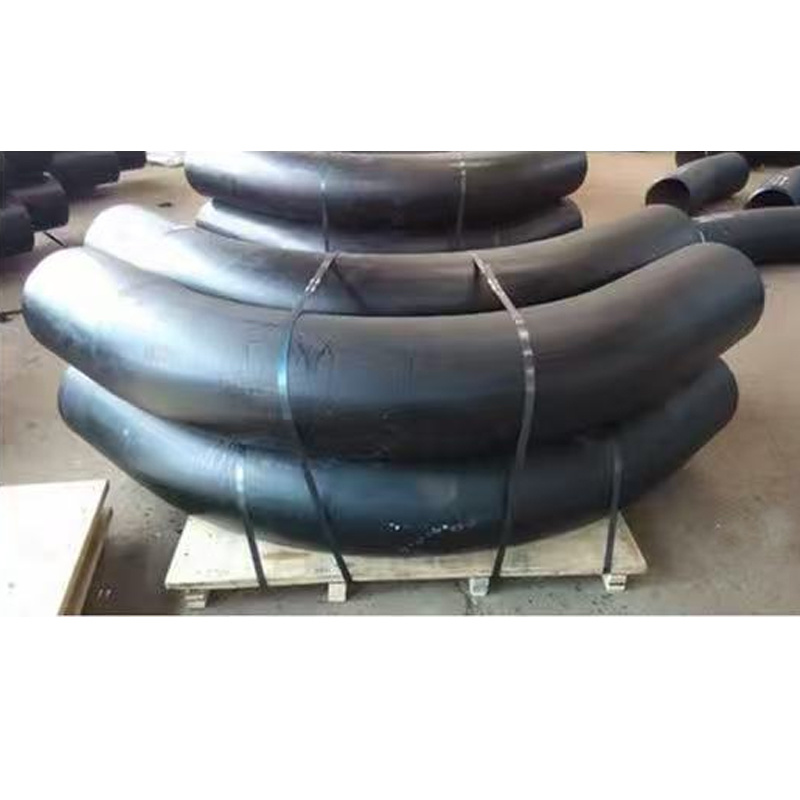
Understanding High-Pressure Plastic-Coated Bends in Industrial Piping Systems
High-pressure plastic-coated bends are critical components in industrial piping systems, especially in applications where durability and resistance to corrosion are paramount. These bends are specifically designed to manage the flow of fluids or gases under high-pressure conditions while maintaining optimal performance and reliability.
The primary function of high-pressure plastic-coated bends is
Sep 13,2026

How to Maintain High-Pressure Alloy Seamless Steel Pipes for Longevity
How to Maintain High-Pressure Alloy Seamless Steel Pipes for Longevity
Table of Contents
Understanding High-Pressure Alloy Seamless Steel Pipes
The Importance of Maintenance for High-Pressure Pipes
Common Challenges in Maintaining High-Pressure Pipes
Best Practices for Maintaining High-Pressure Alloy Seamless Steel Pipes
Regular Inspections and Assessments
Sep 09,2026
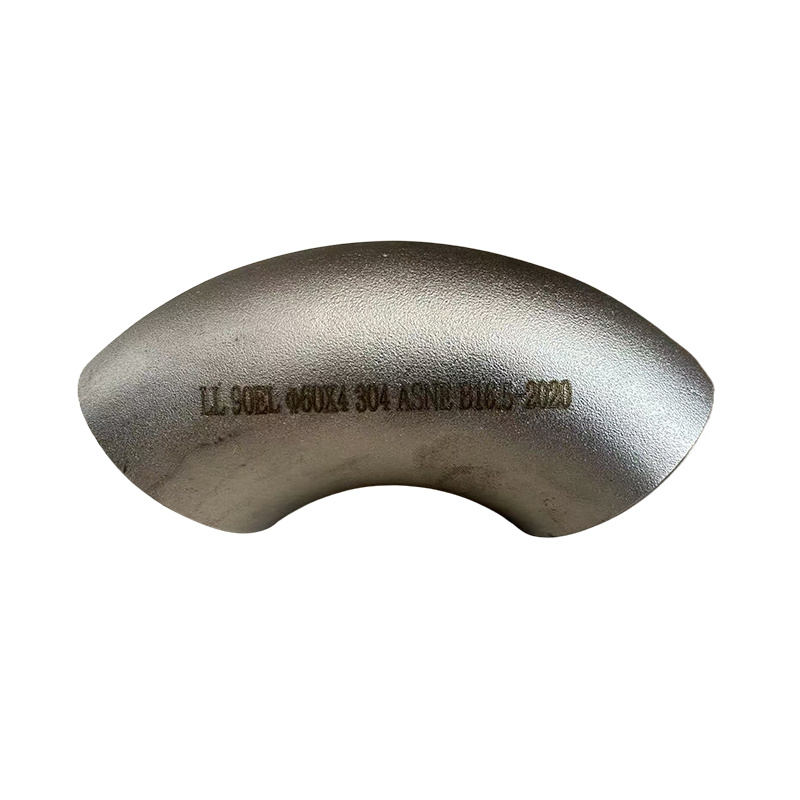
Understanding High-Pressure Alloy Bends: Essential Components for Industrial Piping Systems
High-pressure alloy bends are critical components in the design and operation of industrial piping systems. These bends facilitate the efficient transport of fluids and gases under high-pressure conditions, making them indispensable in various applications, including oil and gas, chemical processing, and power generation.
One of the primary advantages of high-pressure alloy bends is their ability
Sep 05,2026

Service E-mail
Tel
Tel
Address
Room 715, Block A, Qinglin Building, Chentangzhuang, Hexi District, Tianjin
Ask For A Quick Quote
We will contact you within one working day. Please pay attention to your email.