

Understanding Alloy Pipe Caps: Essential Components for Your Construction Projects
May 24,2026
Alloy pipe caps are essential fittings used to seal the ends of pipes, preventing fluid leakage and protecting the interior of the piping system from contaminants. These caps are made from various alloy materials, which offer enhanced strength, corrosion resistance, and durability compared to traditional materials. As a result, they are widely utilized in construction and industrial applications,
Alloy pipe caps are essential fittings used to seal the ends of pipes, preventing fluid leakage and protecting the interior of the piping system from contaminants. These caps are made from various alloy materials, which offer enhanced strength, corrosion resistance, and durability compared to traditional materials. As a result, they are widely utilized in construction and industrial applications, where robust and reliable piping solutions are necessary.
The primary purpose of an alloy pipe cap is to close off a pipe’s end to prevent any unwanted substances from entering or escaping the system. This is crucial in maintaining the integrity of the piping infrastructure. Alloy pipe caps come in an array of sizes and shapes, accommodating different pipe diameters and types. They can be found in both threaded and weldable variations, allowing for versatile installation options depending on the specific requirements of a project.
One of the most significant advantages of using alloy pipe caps is their resistance to corrosion, which is particularly important in environments exposed to moisture, chemicals, or extreme temperatures. Materials such as stainless steel, aluminum, and other specialized alloys ensure that these caps can withstand harsh conditions without compromising performance or safety. This durability translates to lower maintenance costs and longer service life, making alloy pipe caps a smart choice for contractors and builders.
In addition to sealing ends, alloy pipe caps can also play a role in pressure management within piping systems. By effectively closing off a pipe, they help maintain pressure levels, allowing for optimal performance. This is especially important in applications where pressure fluctuations can lead to system failures or inefficiencies.
When selecting alloy pipe caps, it is crucial to consider the specific needs of your project. Factors such as pipe material, size, and the environment in which the pipes will operate all influence the choice of cap material and design. Conducting a thorough assessment ensures that the right caps are chosen, which will contribute to the overall success of the piping system.
In conclusion, alloy pipe caps are indispensable components in the construction and decoration materials sector, providing essential sealing and protection for various piping applications. Their durability, corrosion resistance, and versatility make them a preferred choice among industry professionals. By understanding the various types and benefits of alloy pipe caps, you can make informed decisions that enhance the performance and longevity of your piping systems.
The primary purpose of an alloy pipe cap is to close off a pipe’s end to prevent any unwanted substances from entering or escaping the system. This is crucial in maintaining the integrity of the piping infrastructure. Alloy pipe caps come in an array of sizes and shapes, accommodating different pipe diameters and types. They can be found in both threaded and weldable variations, allowing for versatile installation options depending on the specific requirements of a project.
One of the most significant advantages of using alloy pipe caps is their resistance to corrosion, which is particularly important in environments exposed to moisture, chemicals, or extreme temperatures. Materials such as stainless steel, aluminum, and other specialized alloys ensure that these caps can withstand harsh conditions without compromising performance or safety. This durability translates to lower maintenance costs and longer service life, making alloy pipe caps a smart choice for contractors and builders.
In addition to sealing ends, alloy pipe caps can also play a role in pressure management within piping systems. By effectively closing off a pipe, they help maintain pressure levels, allowing for optimal performance. This is especially important in applications where pressure fluctuations can lead to system failures or inefficiencies.
When selecting alloy pipe caps, it is crucial to consider the specific needs of your project. Factors such as pipe material, size, and the environment in which the pipes will operate all influence the choice of cap material and design. Conducting a thorough assessment ensures that the right caps are chosen, which will contribute to the overall success of the piping system.
In conclusion, alloy pipe caps are indispensable components in the construction and decoration materials sector, providing essential sealing and protection for various piping applications. Their durability, corrosion resistance, and versatility make them a preferred choice among industry professionals. By understanding the various types and benefits of alloy pipe caps, you can make informed decisions that enhance the performance and longevity of your piping systems.
Key words:
RELATED INFORMATION
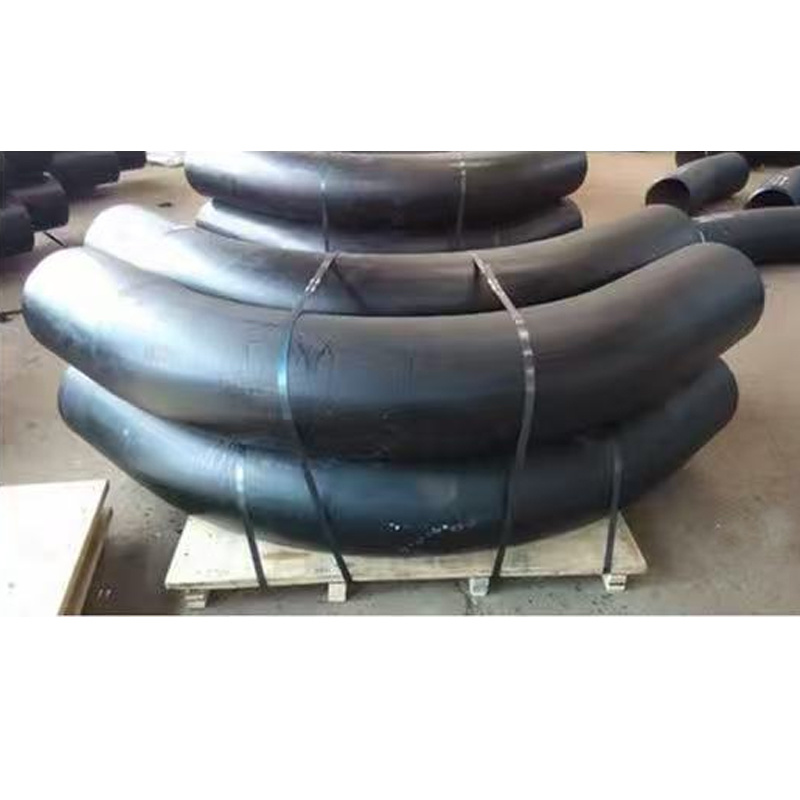
Understanding High-Pressure Plastic-Coated Bends in Industrial Piping Systems
High-pressure plastic-coated bends are critical components in industrial piping systems, especially in applications where durability and resistance to corrosion are paramount. These bends are specifically designed to manage the flow of fluids or gases under high-pressure conditions while maintaining optimal performance and reliability.
The primary function of high-pressure plastic-coated bends is
Sep 13,2026

How to Maintain High-Pressure Alloy Seamless Steel Pipes for Longevity
How to Maintain High-Pressure Alloy Seamless Steel Pipes for Longevity
Table of Contents
Understanding High-Pressure Alloy Seamless Steel Pipes
The Importance of Maintenance for High-Pressure Pipes
Common Challenges in Maintaining High-Pressure Pipes
Best Practices for Maintaining High-Pressure Alloy Seamless Steel Pipes
Regular Inspections and Assessments
Sep 09,2026
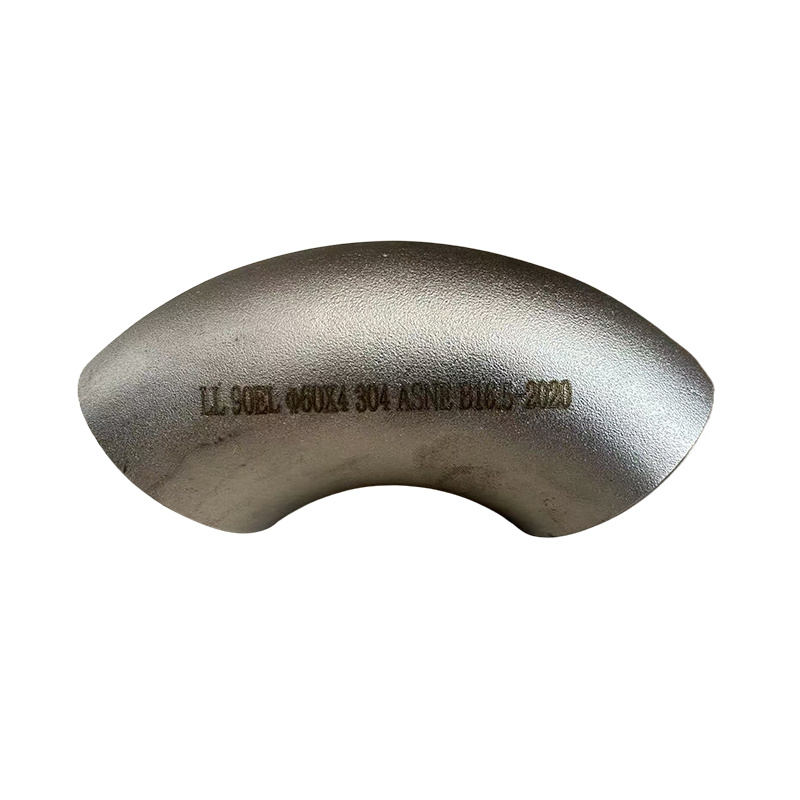
Understanding High-Pressure Alloy Bends: Essential Components for Industrial Piping Systems
High-pressure alloy bends are critical components in the design and operation of industrial piping systems. These bends facilitate the efficient transport of fluids and gases under high-pressure conditions, making them indispensable in various applications, including oil and gas, chemical processing, and power generation.
One of the primary advantages of high-pressure alloy bends is their ability
Sep 05,2026

Service E-mail
Tel
Tel
Address
Room 715, Block A, Qinglin Building, Chentangzhuang, Hexi District, Tianjin
Ask For A Quick Quote
We will contact you within one working day. Please pay attention to your email.