

Installation Best Practices for Insulated Pipelines: Ensuring Efficiency and Longevity
Jun 05,2026
Installation Best Practices for Insulated Pipelines: A Comprehensive Guide
Installing insulated pipelines is critical for various industries, including oil and gas, chemical processing, and HVAC systems. Proper installation practices not only enhance the efficiency of the system but also extend the lifespan of the pipelines. In this article, we will delve into the best practices for installing ins
Installation Best Practices for Insulated Pipelines: A Comprehensive Guide
Installing insulated pipelines is critical for various industries, including oil and gas, chemical processing, and HVAC systems. Proper installation practices not only enhance the efficiency of the system but also extend the lifespan of the pipelines. In this article, we will delve into the best practices for installing insulated pipelines, discussing everything from material selection to installation techniques and maintenance.
Table of Contents
- Understanding Insulated Pipelines: Key Components
- The Importance of Insulation in Pipelines
- Best Practices for Material Selection
- Pre-Installation Checks: What to Consider
- Effective Installation Techniques for Insulated Pipelines
- Post-Installation Testing: Ensuring System Integrity
- Regular Maintenance of Insulated Pipelines
- Real-World Case Studies
- Frequently Asked Questions
Understanding Insulated Pipelines: Key Components
Insulated pipelines are designed to minimize thermal losses, maintain temperature stability, and prevent condensation in various industrial applications. The primary components of insulated pipelines include:
1. Outer Pipe
The outer pipe serves as the first line of defense against environmental factors and physical damage. Common materials include carbon steel and stainless steel, which provide durability and corrosion resistance.
2. Insulation Material
The insulation material is crucial for maintaining temperature. Common types include fiberglass, polyurethane foam, and cellular glass, each offering different thermal resistance properties.
3. Vapor Barrier
A vapor barrier prevents moisture from infiltrating the insulation layer, which can lead to mold growth and insulation degradation.
4. Jacket
The jacket, often made of metal or plastic, protects the insulation and outer pipe from environmental damage and mechanical wear.
The Importance of Insulation in Pipelines
Proper insulation plays a vital role in the overall efficiency of a piping system. Here are some key reasons why insulation is essential:
Energy Efficiency
Insulated pipelines reduce heat loss, significantly enhancing energy efficiency. This is especially critical in steam systems where heat loss can lead to increased operational costs.
Temperature Maintenance
Consistent temperature levels in pipelines ensure that processes remain stable, which is essential for chemical reactions and material handling.
Condensation Prevention
Insulation helps prevent condensation on the pipeline surface, which can lead to corrosion and other damaging effects.
Best Practices for Material Selection
Choosing the right materials for insulated pipelines is fundamental to their performance and longevity. Here are best practices for material selection:
1. Assessing Environmental Conditions
Consider the environmental conditions where the pipeline will be installed. Factors such as temperature fluctuations, humidity levels, and exposure to chemicals will influence material choice.
2. Evaluating Thermal Conductivity
Select insulation materials with low thermal conductivity to maximize energy efficiency. Materials like polyurethane foam are often preferred for their superior insulating properties.
3. Considering Mechanical Strength
Choose materials that can withstand mechanical stresses. The outer pipe should be robust enough to handle external pressures and impacts.
4. Ensuring Compatibility
Ensure that all materials used in the pipeline system are compatible with each other. This includes checking for chemical compatibility to avoid deterioration.
Pre-Installation Checks: What to Consider
Before beginning the installation of insulated pipelines, conducting thorough pre-installation checks is crucial. Here’s what to consider:
1. Site Assessment
Conduct a site assessment to understand the layout, access points, and any potential obstacles. This will help in planning the installation effectively.
2. Inspection of Materials
Inspect all materials for defects or damage before installation. This ensures that only high-quality components are used in the system.
3. Reviewing Installation Plans
Review the installation plans and specifications to ensure compliance with industry standards and regulations.
4. Safety Measures
Establish safety measures and protocols for the installation team to mitigate risks associated with handling heavy materials and working in confined spaces.
Effective Installation Techniques for Insulated Pipelines
The installation phase is where the groundwork laid in the planning and preparation stages truly comes to fruition. Here are essential installation techniques:
1. Proper Alignment and Support
Ensure that pipes are correctly aligned before securing them. Use appropriate supports and hangers to maintain alignment and prevent sagging.
2. Minimizing Joints
Wherever possible, minimize the number of joints in the pipeline. Fewer joints lead to less potential for leaks and thermal loss.
3. Sealing Joints Effectively
Use high-quality sealants to seal joints and connections thoroughly. This prevents moisture ingress and enhances insulation performance.
4. Following Manufacturer Guidelines
Always adhere to the manufacturer’s installation guidelines. This ensures that the components are installed correctly and function as intended.
Post-Installation Testing: Ensuring System Integrity
After installation, it’s critical to conduct various tests to verify the integrity and performance of the insulated piping system:
1. Pressure Testing
Conduct pressure tests to ensure that the pipeline can withstand operational pressures without leakage.
2. Insulation Resistance Testing
Perform insulation resistance tests to verify the efficiency of the insulation material. This ensures that the insulation is functioning as intended.
3. Visual Inspections
Conduct thorough visual inspections for any signs of damage, misalignment, or improper installation.
4. Thermal Imaging
Utilize thermal imaging technology to identify potential thermal losses or cold spots along the pipeline.
Regular Maintenance of Insulated Pipelines
Proper maintenance is vital for the long-term efficiency and reliability of insulated pipelines. Here are key maintenance practices:
1. Scheduled Inspections
Implement a schedule for regular inspections to identify any issues before they escalate. This includes checking for signs of wear and corrosion.
2. Cleaning Procedures
Establish cleaning procedures to remove any debris or build-up on the pipeline surfaces that could affect performance.
3. Monitoring Temperature and Pressure
Continuously monitor the temperature and pressure within the pipeline to detect any anomalies that may indicate a problem.
4. Prompt Repairs
Address any issues promptly to minimize downtime and costly repairs. Keeping a stock of essential replacement parts can expedite this process.
Real-World Case Studies
To illustrate the importance of best practices in the installation of insulated pipelines, we can examine a few notable case studies:
1. Oil and Gas Industry Success
In one project involving a major oil company, the implementation of best practices led to a 30% reduction in energy costs associated with steam generation. By selecting high-quality insulation materials and minimizing joints, they significantly improved system efficiency.
2. Chemical Processing Optimization
A chemical processing plant adopted rigorous pre-installation checks and thorough post-installation testing. As a result, they experienced a 40% decrease in maintenance-related downtime and enhanced process stability.
Frequently Asked Questions
1. What is the best insulation material for pipelines?
The best insulation material depends on the specific application, but polyurethane foam is commonly preferred for its low thermal conductivity and moisture resistance.
2. How often should insulated pipelines be inspected?
Inspections should be conducted at least annually, but more frequent checks may be necessary in critical applications or harsh environments.
3. Can I install insulated pipelines myself?
While DIY installation is possible, it’s recommended to hire professionals with experience in insulated pipeline installation to ensure compliance with industry standards.
4. What are the signs of insulation failure?
Signs of insulation failure include condensation on the pipeline surface, unexpected temperature fluctuations, and increased energy costs.
5. How can I enhance the lifespan of insulated pipelines?
Regular maintenance, proper installation techniques, and vigilant monitoring are key factors in enhancing the lifespan of insulated pipelines.
Conclusion
In conclusion, the installation of insulated pipelines requires careful consideration and adherence to best practices to ensure efficiency, performance, and longevity. By understanding the key components, selecting appropriate materials, and implementing effective installation and maintenance techniques, we can significantly enhance the performance of insulated piping systems. Whether in oil and gas, chemical processing, or HVAC applications, following these guidelines will lead to reduced operational costs and increased reliability. Embrace these best practices to master the art of insulated pipeline installation and contribute to a more efficient future in industrial applications.
Key words:
RELATED INFORMATION
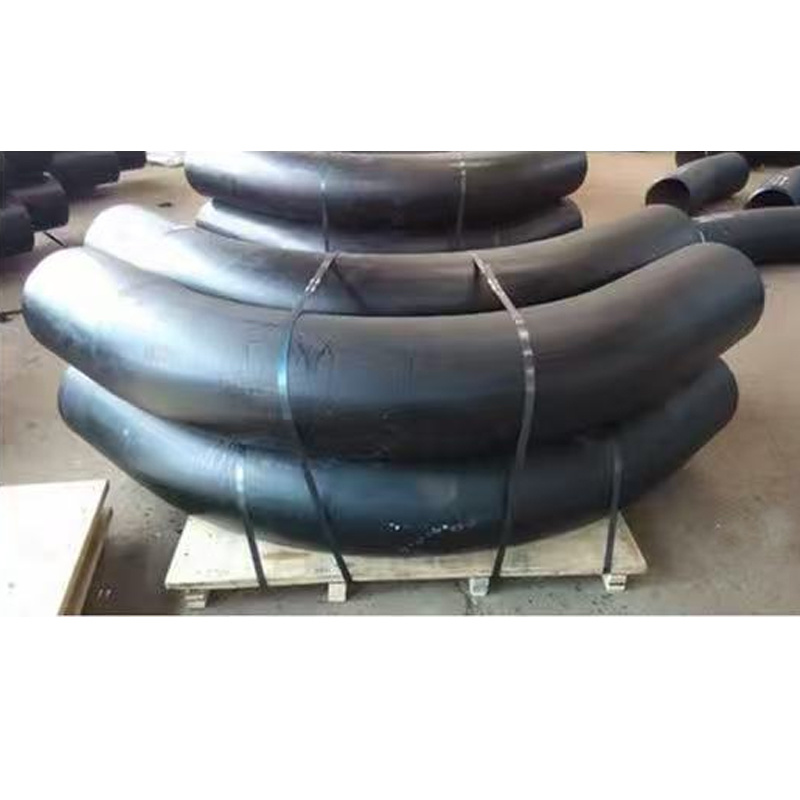
Understanding High-Pressure Plastic-Coated Bends in Industrial Piping Systems
High-pressure plastic-coated bends are critical components in industrial piping systems, especially in applications where durability and resistance to corrosion are paramount. These bends are specifically designed to manage the flow of fluids or gases under high-pressure conditions while maintaining optimal performance and reliability.
The primary function of high-pressure plastic-coated bends is
Sep 13,2026

How to Maintain High-Pressure Alloy Seamless Steel Pipes for Longevity
How to Maintain High-Pressure Alloy Seamless Steel Pipes for Longevity
Table of Contents
Understanding High-Pressure Alloy Seamless Steel Pipes
The Importance of Maintenance for High-Pressure Pipes
Common Challenges in Maintaining High-Pressure Pipes
Best Practices for Maintaining High-Pressure Alloy Seamless Steel Pipes
Regular Inspections and Assessments
Sep 09,2026
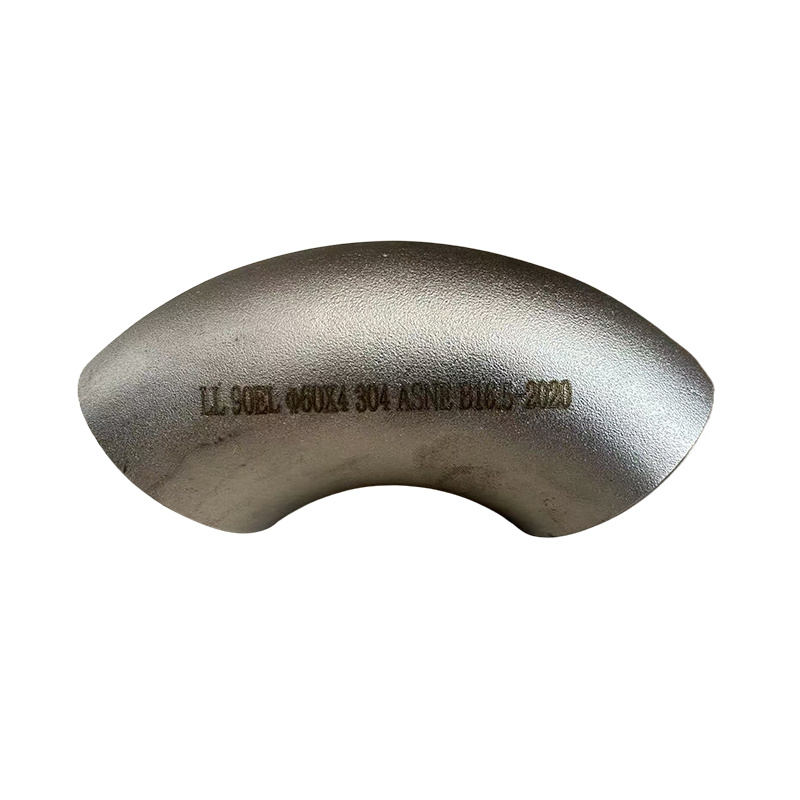
Understanding High-Pressure Alloy Bends: Essential Components for Industrial Piping Systems
High-pressure alloy bends are critical components in the design and operation of industrial piping systems. These bends facilitate the efficient transport of fluids and gases under high-pressure conditions, making them indispensable in various applications, including oil and gas, chemical processing, and power generation.
One of the primary advantages of high-pressure alloy bends is their ability
Sep 05,2026

Service E-mail
Tel
Tel
Address
Room 715, Block A, Qinglin Building, Chentangzhuang, Hexi District, Tianjin
Ask For A Quick Quote
We will contact you within one working day. Please pay attention to your email.