

Understanding the Four Way Pipeline: A Key Component in Construction and Decorative Materials
Jun 01,2026
A Four Way Pipeline, often referred to in the context of plumbing and construction, is a critical component that enables the redirection of fluid flow in multiple directions. Unlike traditional fittings, which typically direct flow between two points, the four way pipeline is designed to facilitate flow from a central point to four different outlets. This configuration is particularly useful in sy
A Four Way Pipeline, often referred to in the context of plumbing and construction, is a critical component that enables the redirection of fluid flow in multiple directions. Unlike traditional fittings, which typically direct flow between two points, the four way pipeline is designed to facilitate flow from a central point to four different outlets. This configuration is particularly useful in systems where multiple branching points are required, such as in water distribution networks, heating systems, and complex drainage solutions.
One of the primary advantages of using a four way pipeline is its ability to optimize space and reduce the number of required fittings. By allowing multiple connections from a single point, it minimizes the need for additional pipes and connections, ultimately saving time and resources during installation. This efficiency is particularly beneficial in tight spaces where conventional piping solutions might prove cumbersome.
In terms of materials, four way pipelines can be constructed from a variety of substances, including PVC, copper, and stainless steel. The choice of material often depends on the specific application and environmental conditions, such as exposure to corrosive elements or temperature variations. For example, a PVC four way pipeline may be ideal for low-pressure water systems, while a stainless steel option could be preferred for high-pressure applications or environments where durability is paramount.
Installation of a four way pipeline requires careful consideration of flow dynamics and pressure requirements. It is essential to ensure that the pipeline is adequately supported and that all connections are secure to prevent leaks. Furthermore, proper sealing materials should be used to maintain the integrity of the system. When designing a network that includes a four way pipeline, it is crucial to consider the overall layout and flow requirements to ensure optimal performance.
In addition to plumbing and water management, four way pipelines are often utilized in various other industries, including HVAC systems, irrigation, and even in the decoration of indoor spaces. Their versatility and efficiency make them a go-to solution for professionals looking to create functional and aesthetically pleasing environments.
In conclusion, the four way pipeline is a vital component in the construction and decorative materials sector. Its ability to manage fluid flow efficiently while optimizing space and material use makes it an indispensable tool for industry professionals. Whether for plumbing, heating systems, or decorative applications, understanding the role and benefits of four way pipelines can significantly enhance project outcomes and operational efficiency.
One of the primary advantages of using a four way pipeline is its ability to optimize space and reduce the number of required fittings. By allowing multiple connections from a single point, it minimizes the need for additional pipes and connections, ultimately saving time and resources during installation. This efficiency is particularly beneficial in tight spaces where conventional piping solutions might prove cumbersome.
In terms of materials, four way pipelines can be constructed from a variety of substances, including PVC, copper, and stainless steel. The choice of material often depends on the specific application and environmental conditions, such as exposure to corrosive elements or temperature variations. For example, a PVC four way pipeline may be ideal for low-pressure water systems, while a stainless steel option could be preferred for high-pressure applications or environments where durability is paramount.
Installation of a four way pipeline requires careful consideration of flow dynamics and pressure requirements. It is essential to ensure that the pipeline is adequately supported and that all connections are secure to prevent leaks. Furthermore, proper sealing materials should be used to maintain the integrity of the system. When designing a network that includes a four way pipeline, it is crucial to consider the overall layout and flow requirements to ensure optimal performance.
In addition to plumbing and water management, four way pipelines are often utilized in various other industries, including HVAC systems, irrigation, and even in the decoration of indoor spaces. Their versatility and efficiency make them a go-to solution for professionals looking to create functional and aesthetically pleasing environments.
In conclusion, the four way pipeline is a vital component in the construction and decorative materials sector. Its ability to manage fluid flow efficiently while optimizing space and material use makes it an indispensable tool for industry professionals. Whether for plumbing, heating systems, or decorative applications, understanding the role and benefits of four way pipelines can significantly enhance project outcomes and operational efficiency.
Key words:
RELATED INFORMATION
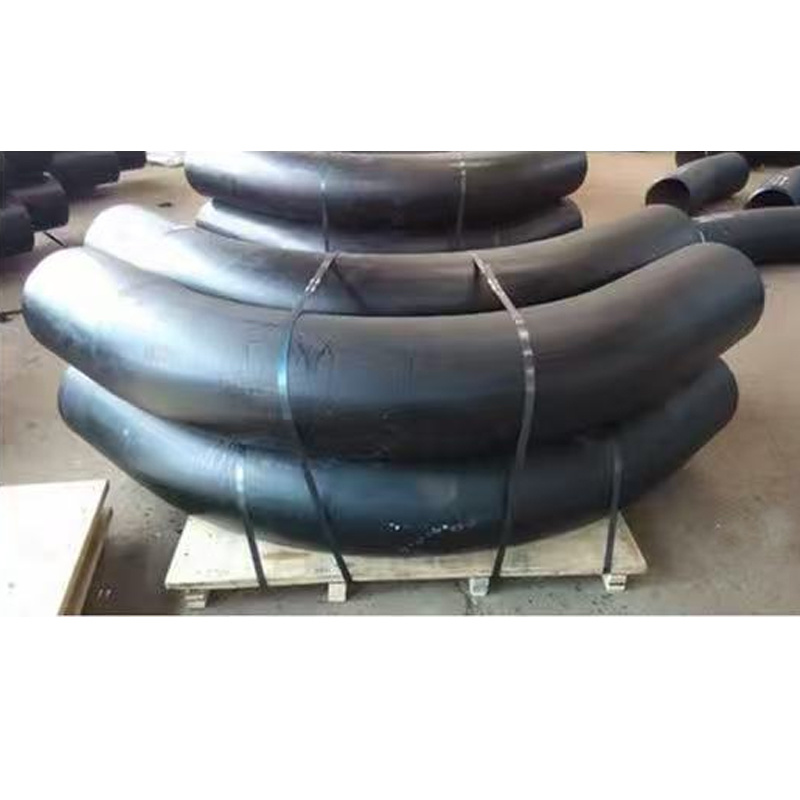
Understanding High-Pressure Plastic-Coated Bends in Industrial Piping Systems
High-pressure plastic-coated bends are critical components in industrial piping systems, especially in applications where durability and resistance to corrosion are paramount. These bends are specifically designed to manage the flow of fluids or gases under high-pressure conditions while maintaining optimal performance and reliability.
The primary function of high-pressure plastic-coated bends is
Sep 13,2026

How to Maintain High-Pressure Alloy Seamless Steel Pipes for Longevity
How to Maintain High-Pressure Alloy Seamless Steel Pipes for Longevity
Table of Contents
Understanding High-Pressure Alloy Seamless Steel Pipes
The Importance of Maintenance for High-Pressure Pipes
Common Challenges in Maintaining High-Pressure Pipes
Best Practices for Maintaining High-Pressure Alloy Seamless Steel Pipes
Regular Inspections and Assessments
Sep 09,2026
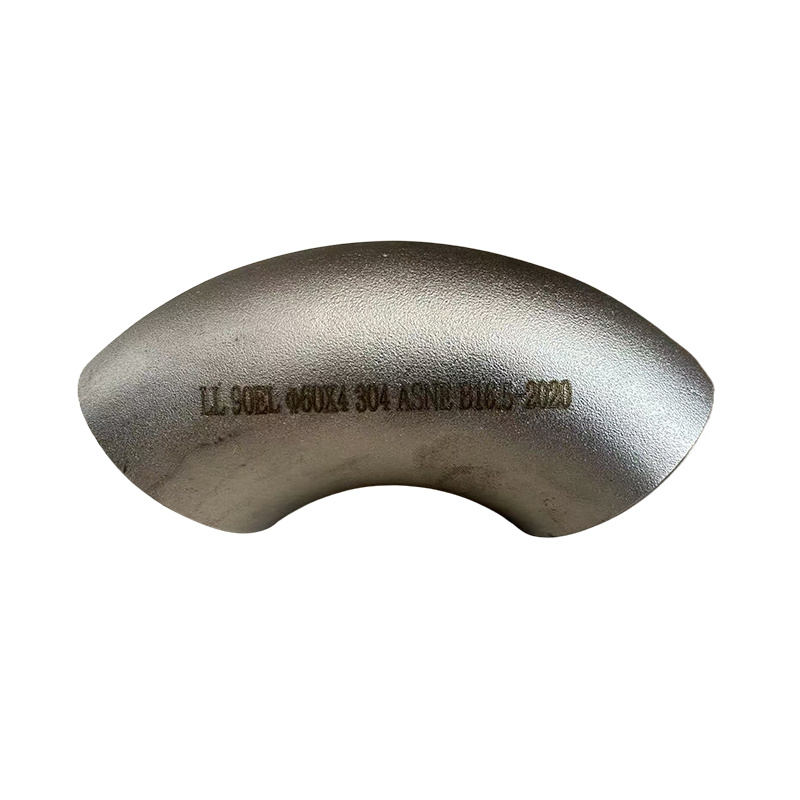
Understanding High-Pressure Alloy Bends: Essential Components for Industrial Piping Systems
High-pressure alloy bends are critical components in the design and operation of industrial piping systems. These bends facilitate the efficient transport of fluids and gases under high-pressure conditions, making them indispensable in various applications, including oil and gas, chemical processing, and power generation.
One of the primary advantages of high-pressure alloy bends is their ability
Sep 05,2026

Service E-mail
Tel
Tel
Address
Room 715, Block A, Qinglin Building, Chentangzhuang, Hexi District, Tianjin
Ask For A Quick Quote
We will contact you within one working day. Please pay attention to your email.