

Comparing Plastic-Coated Pipe to Traditional Materials: A Comprehensive Analysis
May 28,2026
Introduction to Pipe Materials: An Overview
The choice of piping materials in industrial applications is critical, impacting overall performance, longevity, and cost. Among various options available, plastic-coated pipes are gaining prominence. This article delves into a thorough comparison between **plastic-coated pipe** and traditional materials, such as **steel**, **copper**, and **PVC**, hig
Introduction to Pipe Materials: An Overview
The choice of piping materials in industrial applications is critical, impacting overall performance, longevity, and cost. Among various options available, plastic-coated pipes are gaining prominence. This article delves into a thorough comparison between **plastic-coated pipe** and traditional materials, such as **steel**, **copper**, and **PVC**, highlighting their respective benefits and drawbacks.
The Rise of Plastic-Coated Pipes in Industrial Applications
Plastic-coated pipes are steel pipes that have been coated with a layer of plastic for added protection. This innovation combines the strength of steel with the corrosion resistance of plastic. As industries prioritize sustainability and longevity, plastic-coated pipes have become an appealing choice.
Understanding Traditional Pipe Materials
Before diving into the comparison, it's essential to understand the traditional materials commonly used in piping systems:
1. Steel Pipes
Steel pipes have long been the backbone of industrial infrastructure due to their strength and durability. However, they are susceptible to corrosion, requiring protective coatings or treatments.
2. Copper Pipes
Copper pipes offer excellent thermal conductivity and resistance to corrosion. They are often used in plumbing and HVAC applications but can be more expensive than other materials.
3. PVC Pipes
PVC (Polyvinyl Chloride) pipes are lightweight and resistant to corrosion and chemicals, making them suitable for various applications. However, they may not withstand high temperatures or pressures as well as metal pipes.
Comparing Performance: Plastic-Coated Pipes vs. Traditional Materials
**Performance** is a key consideration when selecting piping materials. Let’s analyze how plastic-coated pipes stack up against traditional options in various performance metrics.
Corrosion Resistance
One of the most significant advantages of plastic-coated pipes is their enhanced **corrosion resistance**. While steel pipes are prone to rust and degradation, plastic-coated options protect against moisture and harmful chemicals. This makes them ideal for environments with high humidity or exposure to corrosive substances.
Durability and Longevity
Durability is paramount in industrial settings. Plastic-coated pipes typically have a longer lifespan than traditional steel pipes. The plastic coating shields the steel from external wear and tear, significantly reducing maintenance costs and the frequency of replacements.
Weight and Handling
Weight plays a crucial role in installation and transport. Plastic-coated pipes tend to be lighter than traditional steel or copper pipes, making them easier to handle and install. This factor can lead to reduced labor costs during installation.
Cost Analysis: Is It Worth the Investment?
Cost considerations are vital for any industrial operation. While the initial investment in plastic-coated pipes may be higher than traditional materials, the long-term savings can offset these upfront costs.
Initial Costs vs. Long-Term Savings
Plastic-coated pipes might present a higher initial purchase price. However, their reduced maintenance requirements and extended lifespan can result in significant long-term savings. This aspect is crucial for industries looking to optimize their operational budgets.
Maintenance Costs
Traditional materials often require regular inspections, corrosion-proofing treatments, and replacements. In contrast, plastic-coated pipes typically need minimal maintenance, translating to lower operational costs over time.
Applications: Where Each Material Excels
Different piping materials are suited to specific applications. Understanding these applications helps in making informed decisions.
Best Applications for Plastic-Coated Pipes
Plastic-coated pipes are ideal for:
- **Chemical processing plants**: Their resistance to corrosive chemicals makes them suitable for these environments.
- **Water treatment facilities**: They provide reliable performance and longevity in handling water and wastewater.
- **Agricultural applications**: Their durability makes them suitable for irrigation and drainage systems.
Traditional Materials in Specific Industries
- **Steel Pipes**: Commonly used in oil and gas transportation due to their strength.
- **Copper Pipes**: Widely used in residential plumbing and HVAC systems for their thermal conductivity.
- **PVC Pipes**: Often used in drainage and plumbing in residential applications due to their affordability and ease of installation.
Environmental Considerations: Sustainability Factor
Modern industries are increasingly focusing on sustainability. The environmental impact of materials is becoming a significant consideration in the decision-making process.
Plastic-Coated Pipes and Sustainability
Plastic-coated pipes can be made from recycled materials, contributing to reduced environmental impact. Furthermore, their longevity reduces the frequency of replacements, which can also be beneficial for the environment.
Recyclability of Traditional Materials
Traditional materials like steel and copper are highly recyclable, which is an essential factor for many industries aiming for sustainability. However, PVC recycling can be complex, limiting its eco-friendliness.
Safety Factors: Assessing Risks and Benefits
Safety is a critical aspect in industrial settings. Assessing the risks associated with each type of piping material is essential.
Fire Safety Considerations
Plastic-coated pipes are generally considered safer in terms of fire resistance, as the plastic coating can help prevent ignition. In contrast, traditional metal pipes can conduct heat and may present additional risks in certain environments.
Health Safety Standards
Choosing materials that meet health safety standards is critical, especially in environments where water or food products are involved. Both plastic-coated pipes and traditional materials can be compliant, but it’s essential to verify certifications for the specific application.
FAQs About Plastic-Coated Pipes vs. Traditional Materials
**1. What are the main advantages of plastic-coated pipes?**
Plastic-coated pipes offer enhanced corrosion resistance, durability, lighter weight for easier handling, and lower long-term maintenance costs.
**2. How do plastic-coated pipes compare to PVC pipes?**
While both offer corrosion resistance, plastic-coated pipes are generally stronger and more durable than PVC. PVC pipes are lighter and easier to install but may not be suitable for high-pressure applications.
**3. Are plastic-coated pipes suitable for all industrial applications?**
Plastic-coated pipes excel in environments prone to corrosion, making them ideal for chemical processing and wastewater treatment. However, they may not be the best choice for high-temperature applications.
**4. What is the lifespan of plastic-coated pipes?**
Plastic-coated pipes can last significantly longer than traditional steel pipes, often exceeding 50 years with proper maintenance.
**5. Do plastic-coated pipes require special installation techniques?**
While they do not require specialized techniques, following manufacturer guidelines during installation is essential to ensure optimal performance.
Conclusion
In the evolving landscape of industrial piping solutions, plastic-coated pipes present a compelling alternative to traditional materials. Their superior corrosion resistance, durability, and potential for long-term cost savings make them a wise choice for many applications. As industries continue to prioritize performance, sustainability, and safety, understanding the nuances of piping materials becomes paramount. Ultimately, the decision between plastic-coated pipes and traditional materials will depend on specific project requirements, budget considerations, and long-term goals. By carefully evaluating these factors, industries can ensure they make the best choice for their piping needs.
Key words:
RELATED INFORMATION
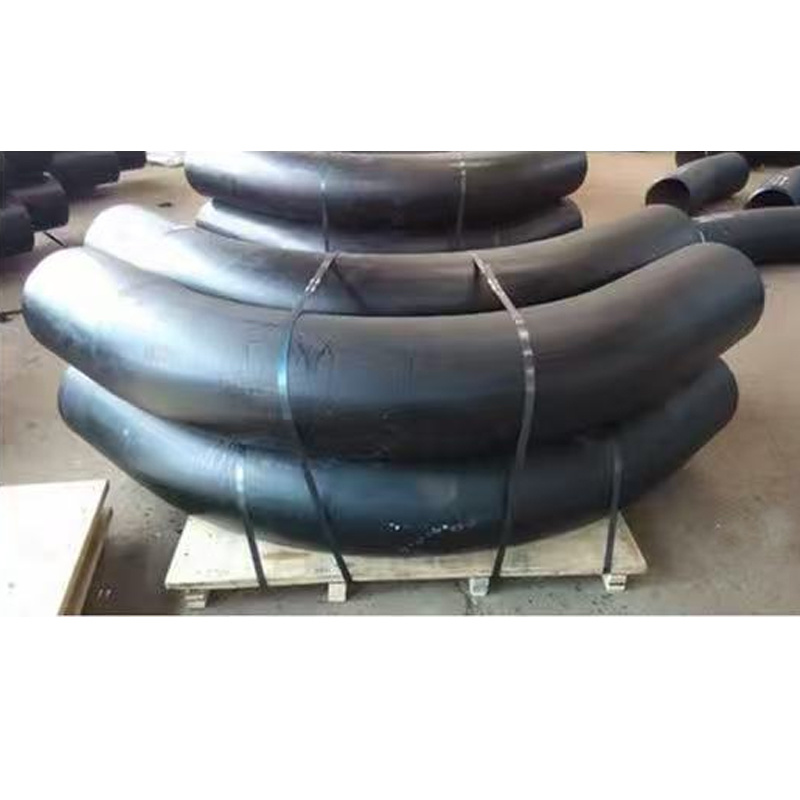
Understanding High-Pressure Plastic-Coated Bends in Industrial Piping Systems
High-pressure plastic-coated bends are critical components in industrial piping systems, especially in applications where durability and resistance to corrosion are paramount. These bends are specifically designed to manage the flow of fluids or gases under high-pressure conditions while maintaining optimal performance and reliability.
The primary function of high-pressure plastic-coated bends is
Sep 13,2026

How to Maintain High-Pressure Alloy Seamless Steel Pipes for Longevity
How to Maintain High-Pressure Alloy Seamless Steel Pipes for Longevity
Table of Contents
Understanding High-Pressure Alloy Seamless Steel Pipes
The Importance of Maintenance for High-Pressure Pipes
Common Challenges in Maintaining High-Pressure Pipes
Best Practices for Maintaining High-Pressure Alloy Seamless Steel Pipes
Regular Inspections and Assessments
Sep 09,2026
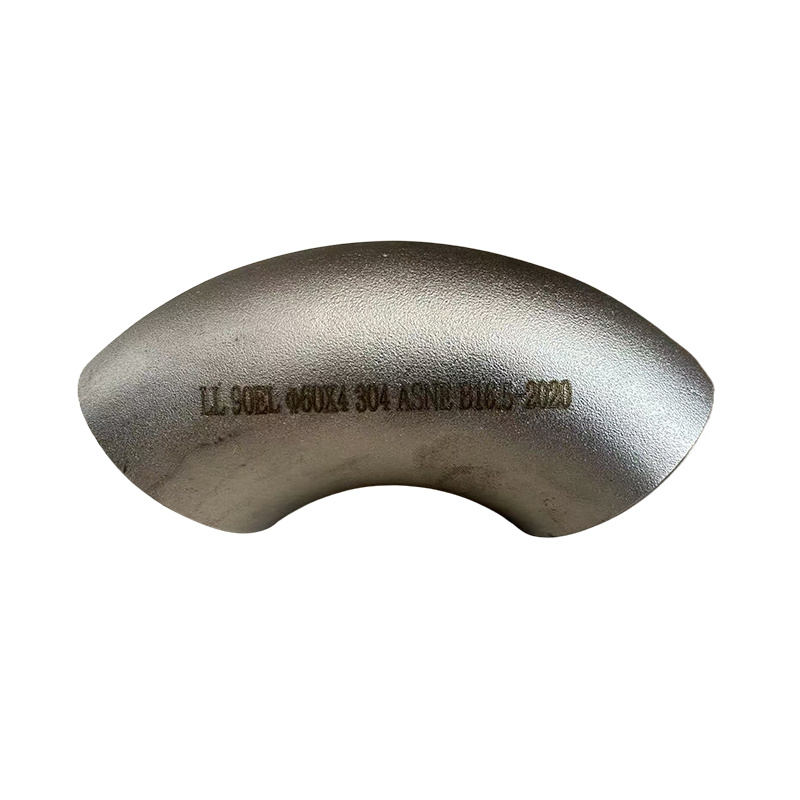
Understanding High-Pressure Alloy Bends: Essential Components for Industrial Piping Systems
High-pressure alloy bends are critical components in the design and operation of industrial piping systems. These bends facilitate the efficient transport of fluids and gases under high-pressure conditions, making them indispensable in various applications, including oil and gas, chemical processing, and power generation.
One of the primary advantages of high-pressure alloy bends is their ability
Sep 05,2026

Service E-mail
Tel
Tel
Address
Room 715, Block A, Qinglin Building, Chentangzhuang, Hexi District, Tianjin
Ask For A Quick Quote
We will contact you within one working day. Please pay attention to your email.