

Slip-On Flange Remains Widely Used in Industrial Pipeline and Fluid Transmission Systems
May 25,2026
As global industrial infrastructure and pipeline engineering projects continue expanding, the demand for reliable pipe connection components remains strong. The slip-on flange is one of the most commonly used flange types in piping systems due to its simple installation process, cost efficiency, and versatility across multiple industries.
A slip-on flange is a pipe flange designed to slide over the outside of a pipe before being welded into position. The flange is typically secured using fillet welds at both the inside and outside connections, providing stable sealing and mechanical strength for fluid transportation systems.
One of the key advantages of the slip-on flange is its ease of installation. Compared with some other flange types, the slip-on design allows simpler pipe alignment during assembly, helping reduce installation time and labor costs.
In the oil and gas industry, the slip-on flange is widely used in low-pressure and medium-pressure pipeline systems for transporting oil, natural gas, and refined petroleum products.
Chemical processing plants also rely on the slip-on flange for fluid transfer systems involving water, steam, chemicals, and industrial gases. The flange provides reliable sealing performance in various operating environments.
Power generation facilities commonly use slip-on flange connections in cooling systems, boiler piping, and auxiliary fluid transmission networks.
Water treatment and municipal infrastructure projects represent another important application area. The slip-on flange is frequently used in water supply pipelines, wastewater systems, and pump station installations.
One major benefit of the slip-on flange is cost efficiency. Because of its relatively simple structure and reduced machining requirements, it is often more economical than certain high-pressure flange alternatives.
The slip-on flange is available in various materials including carbon steel, stainless steel, alloy steel, duplex steel, and corrosion-resistant metals to meet different industrial requirements.
Corrosion resistance is especially important in marine, chemical, and offshore applications. Stainless steel slip-on flange products are commonly selected for harsh environments requiring long-term durability.
Modern manufacturing technology has improved dimensional accuracy and sealing reliability. CNC machining and automated welding processes help ensure consistent quality for industrial-grade slip-on flange products.
Standardization also plays an important role in the market. The slip-on flange is produced according to international standards such as ANSI, ASME, DIN, JIS, and EN specifications to ensure compatibility with global piping systems.
Different pressure ratings and size configurations allow the slip-on flange to be used in a wide range of industrial applications, from light-duty utility systems to large-scale industrial processing pipelines.
Maintenance convenience is another advantage. Flanged pipe systems allow easier inspection, cleaning, and component replacement compared with permanently welded pipeline structures.
As industrial construction, energy transportation, and infrastructure development continue growing worldwide, market demand for reliable flange products remains stable.
Manufacturers are also focusing on improving material quality, welding performance, and surface treatment technology to enhance the service life of the slip-on flange.
Overall, the slip-on flange continues to serve as an important pipeline connection solution, providing reliable sealing, installation flexibility, and cost-effective performance across numerous industrial sectors.
Key words:
RELATED INFORMATION
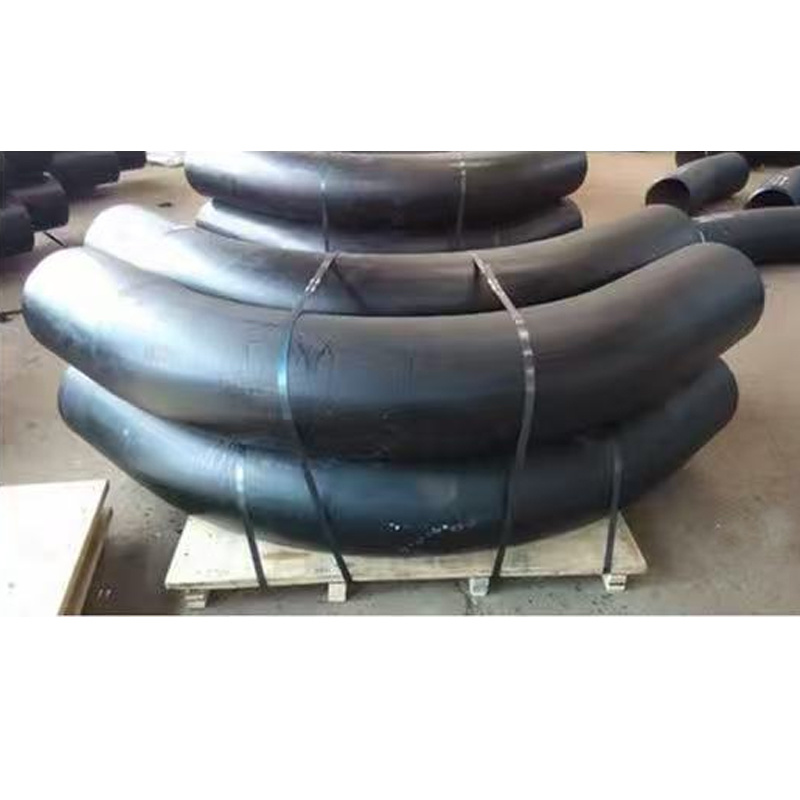
Understanding High-Pressure Plastic-Coated Bends in Industrial Piping Systems
Sep 13,2026

How to Maintain High-Pressure Alloy Seamless Steel Pipes for Longevity
Sep 09,2026
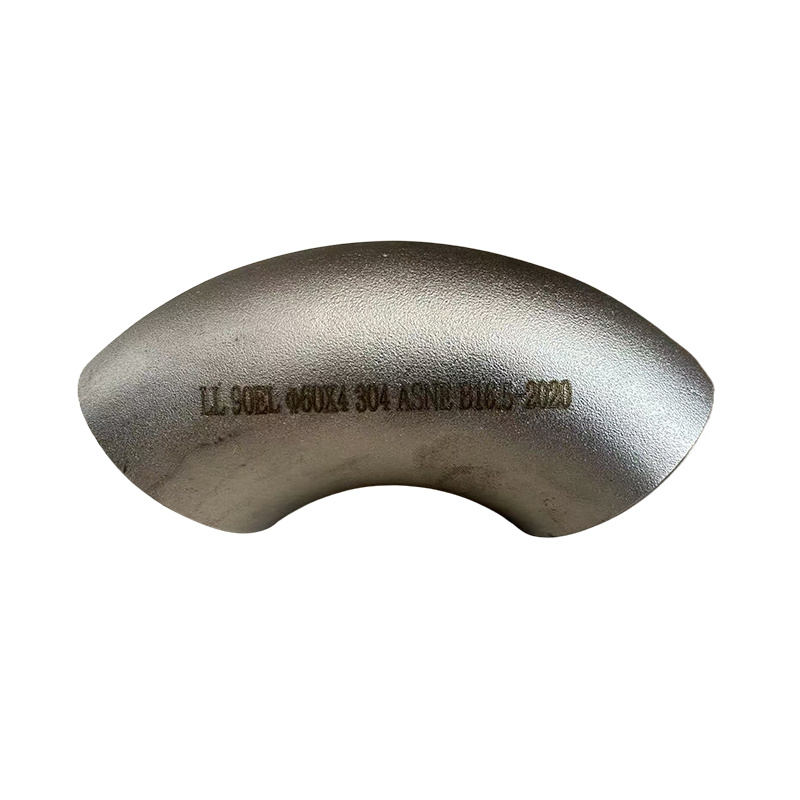
Understanding High-Pressure Alloy Bends: Essential Components for Industrial Piping Systems
Sep 05,2026

Service E-mail
Tel
Tel
Address
Room 715, Block A, Qinglin Building, Chentangzhuang, Hexi District, Tianjin
Ask For A Quick Quote
We will contact you within one working day. Please pay attention to your email.