

High-Pressure Petroleum Pipeline Policy: Navigating Compliance Challenges
Jun 13,2026
High-Pressure Petroleum Pipeline Policy: Navigating Compliance Challenges
Table of Contents
1. Understanding High-Pressure Petroleum Pipelines
2. The Importance of Compliance in Pipeline Operations
3. Key Regulatory Frameworks Governing Pipeline Policies
3.1 Federal Regulations and Oversight
3.2 State-Level Regulations: A Patchwork of Compliance
4. Compliance Challenges in High-Pressure Petroleum
High-Pressure Petroleum Pipeline Policy: Navigating Compliance Challenges
Table of Contents
1. Understanding High-Pressure Petroleum Pipelines
2. The Importance of Compliance in Pipeline Operations
3. Key Regulatory Frameworks Governing Pipeline Policies
3.1 Federal Regulations and Oversight
3.2 State-Level Regulations: A Patchwork of Compliance
4. Compliance Challenges in High-Pressure Petroleum Pipelines
4.1 Safety Concerns and Risk Management
4.2 Environmental Impacts and Regulatory Responses
5. Best Practices for Achieving Compliance
5.1 Developing an Effective Compliance Strategy
5.2 Ongoing Training and Development
6. The Role of Technology in Compliance Management
7. Future Trends in Pipeline Policy Compliance
8. Frequently Asked Questions (FAQs)
9. Conclusion: Meeting Compliance Challenges Head-On
1. Understanding High-Pressure Petroleum Pipelines
High-pressure petroleum pipelines play a crucial role in the energy sector, transporting crude oil and refined products over vast distances. These pipelines are designed to withstand extreme pressures, ensuring the efficient and safe movement of energy resources. Understanding the complexities of high-pressure systems is essential for industry professionals, as these pipelines require stringent management to mitigate risks associated with leaks, ruptures, and environmental hazards.
2. The Importance of Compliance in Pipeline Operations
Compliance with existing regulations is not merely a bureaucratic requirement; it is a fundamental aspect of ensuring safety, environmental protection, and operational efficiency. Non-compliance can lead to severe consequences, including hefty fines, legal ramifications, and detrimental environmental impacts. Therefore, reinforcing compliance is paramount for companies operating high-pressure petroleum pipelines.
3. Key Regulatory Frameworks Governing Pipeline Policies
Navigating the compliance landscape requires familiarity with the various regulatory frameworks that govern high-pressure petroleum pipelines.
3.1 Federal Regulations and Oversight
At the federal level, the Pipeline and Hazardous Materials Safety Administration (PHMSA) establishes crucial regulations that pipeline operators must adhere to. These regulations encompass design, construction, operation, and maintenance standards aimed at enhancing safety and minimizing risks. Regular inspections and reporting requirements ensure adherence to these standards.
3.2 State-Level Regulations: A Patchwork of Compliance
In addition to federal oversight, state regulations add another layer of complexity to compliance. Each state may have specific requirements that pipeline operators must meet, resulting in a patchwork of regulations across the country. Understanding these regulations is vital for maintaining compliance and avoiding penalties.
4. Compliance Challenges in High-Pressure Petroleum Pipelines
Despite the established regulatory framework, compliance challenges persist within the industry.
4.1 Safety Concerns and Risk Management
Safety remains one of the most significant challenges facing pipeline operators. High-pressure systems pose inherent risks, including leaks and explosions. Companies must implement rigorous risk management strategies to identify potential hazards, assess their impact, and develop appropriate mitigation measures. Regular safety audits and inspections can help identify vulnerabilities before they result in incidents.
4.2 Environmental Impacts and Regulatory Responses
The environmental impacts of pipeline operations cannot be overlooked. Accidental spills and leaks can lead to devastating consequences for ecosystems and local communities. Compliance with environmental regulations, such as the Clean Water Act, necessitates comprehensive assessments of potential impacts and the implementation of effective response strategies to mitigate environmental damage.
5. Best Practices for Achieving Compliance
Achieving compliance requires a proactive and strategic approach. Below are best practices for enhancing compliance within high-pressure petroleum pipeline operations.
5.1 Developing an Effective Compliance Strategy
An effective compliance strategy starts with a thorough understanding of applicable regulations and company-specific operational challenges. Conducting regular audits and risk assessments can help identify compliance gaps and areas for improvement. Establishing clear policies and procedures ensures that all employees understand their responsibilities regarding compliance.
5.2 Ongoing Training and Development
Continuous training and development are essential for maintaining compliance. Employees must stay updated on the latest regulatory changes, safety protocols, and best practices. Implementing regular training sessions can enhance safety awareness and promote a culture of compliance within the organization.
6. The Role of Technology in Compliance Management
The advancement of technology plays a pivotal role in enhancing compliance management for high-pressure petroleum pipelines. Advanced monitoring systems, data analytics, and automation can streamline compliance processes and improve operational efficiency. Technologies such as Geographic Information Systems (GIS) and Supervisory Control and Data Acquisition (SCADA) systems allow for real-time monitoring of pipeline integrity, facilitating timely responses to potential issues.
7. Future Trends in Pipeline Policy Compliance
As the energy sector evolves, so too will the regulatory landscape governing high-pressure petroleum pipelines. Emerging trends may include increased emphasis on environmental sustainability, the adoption of innovative technologies for monitoring and compliance, and evolving federal and state regulations. Pipeline operators must remain vigilant and adaptable to navigate these changes effectively.
8. Frequently Asked Questions (FAQs)
What are the primary federal regulations governing high-pressure petroleum pipelines?
The Pipeline and Hazardous Materials Safety Administration (PHMSA) establishes the primary regulations that govern the safety and operation of high-pressure petroleum pipelines.
Why is compliance critical for pipeline operations?
Compliance is crucial for ensuring safety, protecting the environment, and avoiding legal and financial penalties associated with non-compliance.
What are some common compliance challenges faced by pipeline operators?
Common compliance challenges include safety concerns, environmental impacts, and the complexity of navigating state and federal regulations.
How can technology improve compliance management in the pipeline industry?
Technology enhances compliance management through real-time monitoring, data analytics, and automated reporting, enabling operators to identify and address potential issues promptly.
What best practices can organizations implement to enhance compliance?
Organizations should develop effective compliance strategies, conduct regular audits, and invest in ongoing training for employees to ensure adherence to regulations.
9. Conclusion: Meeting Compliance Challenges Head-On
Navigating the compliance challenges associated with high-pressure petroleum pipelines is critical for ensuring safety, environmental protection, and operational efficiency. By understanding the regulatory framework, implementing best practices, leveraging technology, and fostering a culture of compliance, pipeline operators can effectively meet these challenges. In an industry characterized by complexity and risk, proactive compliance management is not just a necessity; it is a commitment to safeguarding our communities and environment while ensuring the reliable delivery of energy resources.
Key words:
RELATED INFORMATION
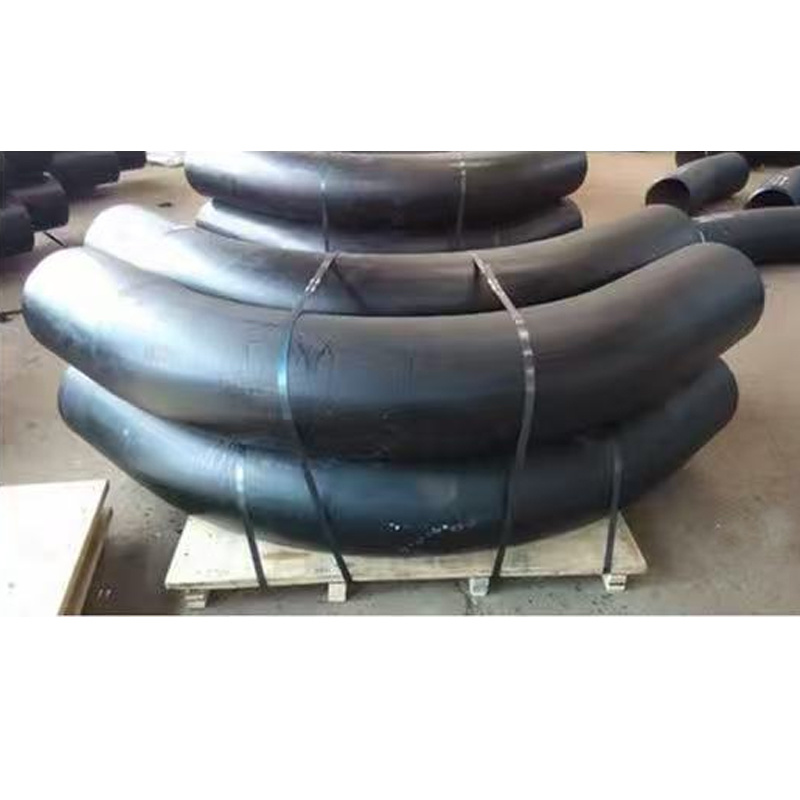
Understanding High-Pressure Plastic-Coated Bends in Industrial Piping Systems
High-pressure plastic-coated bends are critical components in industrial piping systems, especially in applications where durability and resistance to corrosion are paramount. These bends are specifically designed to manage the flow of fluids or gases under high-pressure conditions while maintaining optimal performance and reliability.
The primary function of high-pressure plastic-coated bends is
Sep 13,2026

How to Maintain High-Pressure Alloy Seamless Steel Pipes for Longevity
How to Maintain High-Pressure Alloy Seamless Steel Pipes for Longevity
Table of Contents
Understanding High-Pressure Alloy Seamless Steel Pipes
The Importance of Maintenance for High-Pressure Pipes
Common Challenges in Maintaining High-Pressure Pipes
Best Practices for Maintaining High-Pressure Alloy Seamless Steel Pipes
Regular Inspections and Assessments
Sep 09,2026

Understanding High-Pressure Alloy Bends: Essential Components for Industrial Piping Systems
High-pressure alloy bends are critical components in the design and operation of industrial piping systems. These bends facilitate the efficient transport of fluids and gases under high-pressure conditions, making them indispensable in various applications, including oil and gas, chemical processing, and power generation.
One of the primary advantages of high-pressure alloy bends is their ability
Sep 05,2026

Service E-mail
Tel
Tel
Address
Room 715, Block A, Qinglin Building, Chentangzhuang, Hexi District, Tianjin
Ask For A Quick Quote
We will contact you within one working day. Please pay attention to your email.