

Understanding High-Pressure Plastic-Coated Bends: Enhancing Durability in Industrial Piping Systems
Jun 25,2026
High-pressure plastic-coated bends are essential components in industrial piping systems, particularly in applications requiring enhanced durability and corrosion resistance. These bends are designed to facilitate smooth directional changes in piping while maintaining pressure integrity and performance standards.
The primary function of high-pressure plastic-coated bends is to connect pipes at var
High-pressure plastic-coated bends are essential components in industrial piping systems, particularly in applications requiring enhanced durability and corrosion resistance. These bends are designed to facilitate smooth directional changes in piping while maintaining pressure integrity and performance standards.
The primary function of high-pressure plastic-coated bends is to connect pipes at various angles, allowing for efficient flow management within a piping system. Their design typically includes a robust metal structure, often made from steel or other high-strength materials, coated with a layer of plastic. This plastic coating serves multiple purposes, significantly improving the overall performance and longevity of the bends.
One of the key advantages of using high-pressure plastic-coated bends is their resistance to corrosion. In many industrial environments, pipes are exposed to harsh chemicals and environmental factors that can cause significant wear and degradation over time. The plastic coating acts as a barrier, protecting the underlying metal from corrosive elements, thereby extending the lifespan of the piping system.
Another crucial benefit is the ability to withstand high-pressure applications. These bends are engineered to handle substantial pressure without compromising structural integrity, making them suitable for various industries, including oil and gas, chemical processing, and water treatment. The combination of high-strength materials and effective plastic coatings ensures that these bends can endure the rigorous demands of industrial environments.
Furthermore, high-pressure plastic-coated bends contribute to improved flow efficiency. The smooth surface of the plastic coating minimizes friction and turbulence within the piping system, enhancing the overall flow rate. This efficiency is vital for industries where maintaining optimal flow is critical for operational effectiveness.
When selecting high-pressure plastic-coated bends for your piping system, it is essential to consider the specific requirements of your application. Factors such as pressure ratings, temperature conditions, and the types of fluids being transported will influence the choice of materials and coatings. Collaborating with a knowledgeable supplier can provide valuable insights into the best options available for your needs.
In conclusion, high-pressure plastic-coated bends play a pivotal role in enhancing the durability and efficiency of industrial piping systems. With their corrosion resistance, ability to handle high pressures, and contribution to improved flow dynamics, they are indispensable in various industrial applications. Evaluating the specific requirements of your piping system and understanding the benefits of these components can lead to better decision-making and optimized performance in your operations.
The primary function of high-pressure plastic-coated bends is to connect pipes at various angles, allowing for efficient flow management within a piping system. Their design typically includes a robust metal structure, often made from steel or other high-strength materials, coated with a layer of plastic. This plastic coating serves multiple purposes, significantly improving the overall performance and longevity of the bends.
One of the key advantages of using high-pressure plastic-coated bends is their resistance to corrosion. In many industrial environments, pipes are exposed to harsh chemicals and environmental factors that can cause significant wear and degradation over time. The plastic coating acts as a barrier, protecting the underlying metal from corrosive elements, thereby extending the lifespan of the piping system.
Another crucial benefit is the ability to withstand high-pressure applications. These bends are engineered to handle substantial pressure without compromising structural integrity, making them suitable for various industries, including oil and gas, chemical processing, and water treatment. The combination of high-strength materials and effective plastic coatings ensures that these bends can endure the rigorous demands of industrial environments.
Furthermore, high-pressure plastic-coated bends contribute to improved flow efficiency. The smooth surface of the plastic coating minimizes friction and turbulence within the piping system, enhancing the overall flow rate. This efficiency is vital for industries where maintaining optimal flow is critical for operational effectiveness.
When selecting high-pressure plastic-coated bends for your piping system, it is essential to consider the specific requirements of your application. Factors such as pressure ratings, temperature conditions, and the types of fluids being transported will influence the choice of materials and coatings. Collaborating with a knowledgeable supplier can provide valuable insights into the best options available for your needs.
In conclusion, high-pressure plastic-coated bends play a pivotal role in enhancing the durability and efficiency of industrial piping systems. With their corrosion resistance, ability to handle high pressures, and contribution to improved flow dynamics, they are indispensable in various industrial applications. Evaluating the specific requirements of your piping system and understanding the benefits of these components can lead to better decision-making and optimized performance in your operations.
Key words:
RELATED INFORMATION
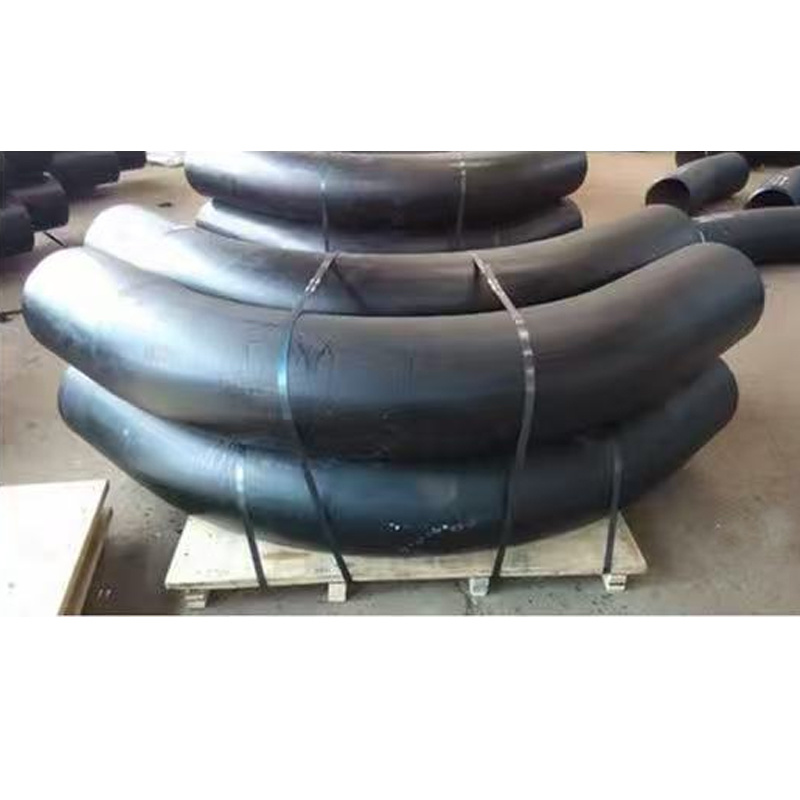
Understanding High-Pressure Plastic-Coated Bends in Industrial Piping Systems
High-pressure plastic-coated bends are critical components in industrial piping systems, especially in applications where durability and resistance to corrosion are paramount. These bends are specifically designed to manage the flow of fluids or gases under high-pressure conditions while maintaining optimal performance and reliability.
The primary function of high-pressure plastic-coated bends is
Sep 13,2026

How to Maintain High-Pressure Alloy Seamless Steel Pipes for Longevity
How to Maintain High-Pressure Alloy Seamless Steel Pipes for Longevity
Table of Contents
Understanding High-Pressure Alloy Seamless Steel Pipes
The Importance of Maintenance for High-Pressure Pipes
Common Challenges in Maintaining High-Pressure Pipes
Best Practices for Maintaining High-Pressure Alloy Seamless Steel Pipes
Regular Inspections and Assessments
Sep 09,2026
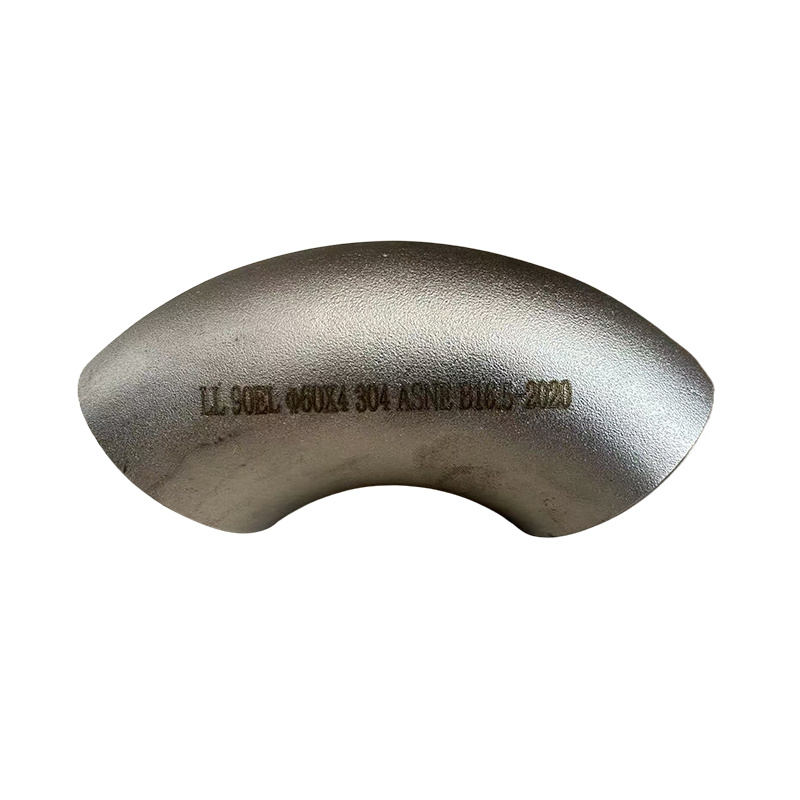
Understanding High-Pressure Alloy Bends: Essential Components for Industrial Piping Systems
High-pressure alloy bends are critical components in the design and operation of industrial piping systems. These bends facilitate the efficient transport of fluids and gases under high-pressure conditions, making them indispensable in various applications, including oil and gas, chemical processing, and power generation.
One of the primary advantages of high-pressure alloy bends is their ability
Sep 05,2026

Service E-mail
Tel
Tel
Address
Room 715, Block A, Qinglin Building, Chentangzhuang, Hexi District, Tianjin
Ask For A Quick Quote
We will contact you within one working day. Please pay attention to your email.