

How Insulated Pipelines Enhance Process Safety in Industrial Applications
Jul 15,2026
How Insulated Pipelines Enhance Process Safety in Industrial Applications
Table of Contents
Introduction to Insulated Pipelines
Understanding Insulation Materials
The Role of Insulation in Process Safety
Key Benefits of Insulated Pipelines
Applications of Insulated Pipelines in Various Industries
Case Studies and Real-World Examples
Best Practices for Insulated Pipelin
How Insulated Pipelines Enhance Process Safety in Industrial Applications
Table of Contents
- Introduction to Insulated Pipelines
- Understanding Insulation Materials
- The Role of Insulation in Process Safety
- Key Benefits of Insulated Pipelines
- Applications of Insulated Pipelines in Various Industries
- Case Studies and Real-World Examples
- Best Practices for Insulated Pipeline Installation
- Future Trends in Insulated Pipeline Technology
- Conclusion
- FAQs
Introduction to Insulated Pipelines
Insulated pipelines are a crucial component in various industrial applications, serving as conduits for fluids that must be maintained at specific temperatures. These pipelines are designed to minimize heat loss or gain, thereby protecting the integrity of the transported materials while contributing significantly to process safety. In environments where temperature control is paramount, insulated pipelines help prevent hazardous incidents, ensuring that operations run smoothly and efficiently.
Understanding Insulation Materials
The selection of insulation materials is fundamental to the effectiveness of insulated pipelines. Common materials include polyurethane foam, fiberglass, and mineral wool, each offering unique thermal resistance properties. Polyurethane foam, for instance, is renowned for its high R-value, providing excellent thermal insulation with minimal thickness.
Fiberglass insulation, on the other hand, is often favored for its resistance to corrosion and moisture, making it ideal for outdoor applications. In contrast, mineral wool is not only fire-resistant but also soundproof, making it useful in environments where noise reduction is desired.
Choosing the right material depends on various factors, including the operating temperature of the pipeline, environmental conditions, and regulatory requirements.
The Role of Insulation in Process Safety
Insulation plays a pivotal role in enhancing process safety in several ways. Firstly, it prevents heat loss from hot fluids, which can lead to increased pressure and potential failure of the pipeline. Secondly, in cold applications, insulation prevents condensation and ice formation, which can result in blockages or even ruptures.
Moreover, insulated pipelines contribute to fire safety by reducing the risk of igniting flammable substances. By maintaining optimal temperatures within the pipeline, insulation helps to mitigate the risks associated with thermal expansion and contraction, which can lead to leaks or ruptures. Additionally, the insulation provides a barrier that can protect personnel from thermal burns when interacting with the pipeline.
Key Benefits of Insulated Pipelines
The benefits of insulated pipelines extend beyond mere temperature control. Here are some key advantages:
1. Enhanced Safety and Risk Mitigation
By preventing extreme temperature fluctuations and reducing the potential for condensation, insulated pipelines significantly lower the risk of accidents and hazardous events.
2. Improved Energy Efficiency
Insulation minimizes heat loss, thus requiring less energy for heating or cooling processes. This leads to reduced operational costs and a smaller carbon footprint, directly benefiting both the environment and the bottom line.
3. Extended Equipment Lifespan
By maintaining stable temperatures and reducing thermal stress on components, insulated pipelines contribute to the longevity of both the pipelines and the systems they are integrated into.
4. Compliance with Regulatory Standards
Many industries are subject to stringent safety regulations. Implementing insulated pipelines helps ensure compliance with these regulations, thereby avoiding fines and improving corporate image.
5. Noise Reduction
Insulated pipelines can also act as sound barriers, reducing noise from fluid movement and equipment operation, contributing to a more pleasant working environment.
Applications of Insulated Pipelines in Various Industries
Insulated pipelines find applications across numerous industries, including:
1. Oil and Gas
In the oil and gas sector, insulated pipelines are essential for transporting crude oil, natural gas, and refined products. They prevent temperature fluctuations that could lead to operational inefficiencies or safety hazards.
2. Chemical Processing
Chemical plants rely on insulated pipelines to transport corrosive or volatile substances. The insulation helps maintain the necessary temperatures for safe and efficient chemical reactions.
3. Food and Beverage
In the food industry, insulated pipelines are crucial for transporting heated or cooled products. They ensure that food safety standards are met by preventing bacterial growth through temperature maintenance.
4. Pharmaceuticals
Insulated pipelines in pharmaceutical manufacturing help maintain strict temperature and pressure controls, ensuring product quality and safety.
5. Power Generation
Power plants utilize insulated pipelines to transport steam and hot water efficiently, contributing to overall energy efficiency and safety.
Case Studies and Real-World Examples
Several notable case studies illustrate the importance of insulated pipelines in enhancing process safety.
1. Oil Refinery Example
In a large oil refinery, insulated pipelines were installed to transport hot crude oil from the extraction site to the processing facility. The insulation minimized heat loss, significantly reducing energy consumption and preventing the formation of flammable vapors.
2. Pharmaceutical Plant
A pharmaceutical manufacturer faced challenges with maintaining consistent temperatures during the transport of sensitive compounds. By implementing insulated pipelines, the facility improved its compliance with safety regulations and enhanced product quality.
3. Chemical Processing Facility
At a chemical processing facility, insulated pipelines were used to transport corrosive acids. The insulation not only protected personnel from exposure but also minimized the risk of leaks, ensuring a safer working environment.
Best Practices for Insulated Pipeline Installation
To maximize the effectiveness of insulated pipelines, adhere to the following best practices:
1. Thorough Assessment
Conduct a detailed assessment of the application environment and the specific requirements of the pipeline system before installation.
2. Material Selection
Choose insulation materials based on the operational temperature, chemical exposure, and environmental conditions.
3. Professional Installation
Engage qualified professionals for installation to ensure compliance with industry standards and optimal performance.
4. Regular Maintenance
Implement a regular maintenance schedule to inspect the condition of the insulation and identify any signs of wear or damage.
5. Employee Training
Train employees on the importance of insulated pipelines and safety measures to enhance workplace safety and compliance.
Future Trends in Insulated Pipeline Technology
The future of insulated pipelines is set to be influenced by various trends, including:
1. Advanced Insulation Materials
The development of new insulation materials with enhanced thermal performance and environmental sustainability will further improve operational efficiencies.
2. Smart Insulation Technologies
Integration of smart technologies, such as sensors, can provide real-time monitoring of temperature and pressure, leading to proactive maintenance and enhanced safety.
3. Sustainability Initiatives
As industries focus on sustainability, the demand for insulated pipelines made from recycled or eco-friendly materials will likely rise, promoting environmental stewardship.
4. Regulatory Changes
Evolving regulations may require stricter safety measures, leading to an increased emphasis on insulation as a critical component of process safety.
Conclusion
Insulated pipelines are a vital aspect of ensuring process safety across various industrial applications. By minimizing risks associated with temperature fluctuations and providing a protective barrier against hazardous materials, they play an essential role in maintaining operational integrity. The numerous benefits of insulated pipelines, from energy efficiency to regulatory compliance, highlight their importance in modern industrial settings. As technology advances, the future of insulated pipelines looks promising, with innovations aimed at enhancing safety and efficiency. Investing in insulated pipeline systems is not just a practical choice but a strategic decision for any industry committed to safety and sustainability.
FAQs
1. What are insulated pipelines?
Insulated pipelines are pipes that are coated with material designed to minimize heat transfer, helping to maintain the temperature of the fluids they transport.
2. Why are insulated pipelines important for safety?
Insulated pipelines enhance safety by preventing temperature fluctuations that can lead to pressure build-up, condensation, or other hazardous conditions.
3. What materials are commonly used for pipeline insulation?
Common insulation materials include polyurethane foam, fiberglass, and mineral wool, each with distinct thermal properties.
4. How do insulated pipelines contribute to energy efficiency?
By reducing heat loss or gain, insulated pipelines decrease the energy required for heating or cooling processes, leading to lower operational costs.
5. Are there specific industries that particularly benefit from insulated pipelines?
Yes, industries such as oil and gas, chemical processing, food and beverage, pharmaceuticals, and power generation greatly benefit from insulated pipelines for safety and efficiency reasons.
Key words:
RELATED INFORMATION
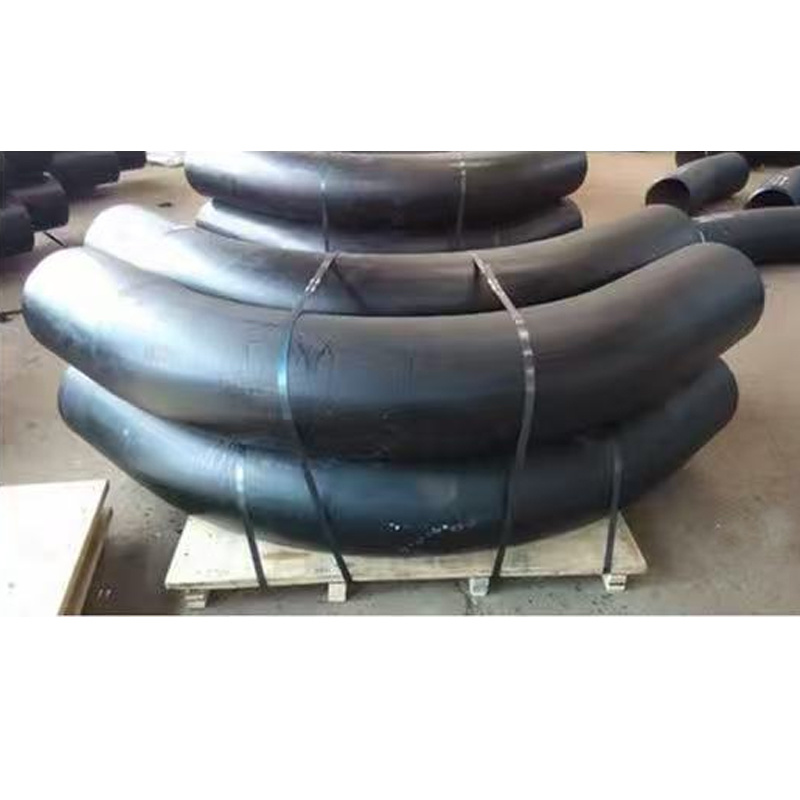
Understanding High-Pressure Plastic-Coated Bends in Industrial Piping Systems
High-pressure plastic-coated bends are critical components in industrial piping systems, especially in applications where durability and resistance to corrosion are paramount. These bends are specifically designed to manage the flow of fluids or gases under high-pressure conditions while maintaining optimal performance and reliability.
The primary function of high-pressure plastic-coated bends is
Sep 13,2026

How to Maintain High-Pressure Alloy Seamless Steel Pipes for Longevity
How to Maintain High-Pressure Alloy Seamless Steel Pipes for Longevity
Table of Contents
Understanding High-Pressure Alloy Seamless Steel Pipes
The Importance of Maintenance for High-Pressure Pipes
Common Challenges in Maintaining High-Pressure Pipes
Best Practices for Maintaining High-Pressure Alloy Seamless Steel Pipes
Regular Inspections and Assessments
Sep 09,2026
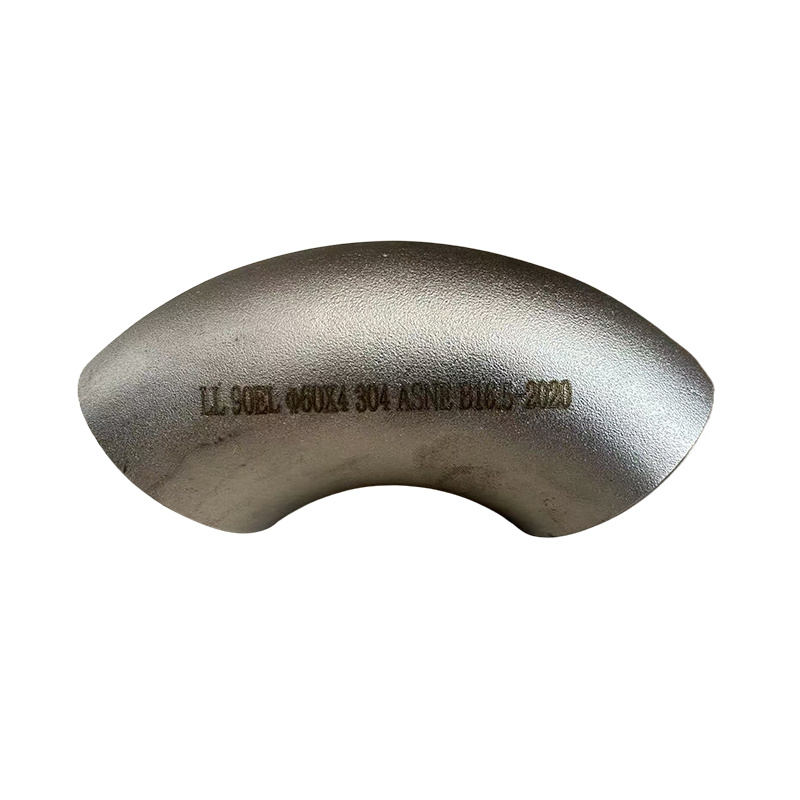
Understanding High-Pressure Alloy Bends: Essential Components for Industrial Piping Systems
High-pressure alloy bends are critical components in the design and operation of industrial piping systems. These bends facilitate the efficient transport of fluids and gases under high-pressure conditions, making them indispensable in various applications, including oil and gas, chemical processing, and power generation.
One of the primary advantages of high-pressure alloy bends is their ability
Sep 05,2026

Service E-mail
Tel
Tel
Address
Room 715, Block A, Qinglin Building, Chentangzhuang, Hexi District, Tianjin
Ask For A Quick Quote
We will contact you within one working day. Please pay attention to your email.