

The Environmental Benefits of Using Plastic-Coated Pipe: A Sustainable Choice for the Future
Aug 16,2026
The Environmental Benefits of Using Plastic-Coated Pipe
Table of Contents
1. Introduction to Plastic-Coated Pipes
2. Understanding Plastic Coating and Its Materials
3. Key Advantages of Plastic-Coated Pipes
4. The Environmental Impact of Plastic-Coated Pipes
5. Applications of Plastic-Coated Pipes Across Industries
6. Sustainability Initiatives in Manufacturing
7. The
The Environmental Benefits of Using Plastic-Coated Pipe
Table of Contents
- 1. Introduction to Plastic-Coated Pipes
- 2. Understanding Plastic Coating and Its Materials
- 3. Key Advantages of Plastic-Coated Pipes
- 4. The Environmental Impact of Plastic-Coated Pipes
- 5. Applications of Plastic-Coated Pipes Across Industries
- 6. Sustainability Initiatives in Manufacturing
- 7. The Future of Plastic-Coated Pipes
- 8. Frequently Asked Questions
- 9. Conclusion: Embracing Sustainable Choices
1. Introduction to Plastic-Coated Pipes
In recent years, the demand for sustainable materials in various industries has surged. This shift is primarily driven by the need to reduce environmental impact and enhance the longevity of industrial components. **Plastic-coated pipes** have emerged as a revolutionary solution, offering numerous benefits that address both performance and ecological considerations.
This article delves into the **environmental benefits of plastic-coated pipes**, exploring their construction, advantages, applications, and the vital role they play in promoting sustainability.
2. Understanding Plastic Coating and Its Materials
Plastic coating involves applying a layer of plastic over a metal substrate, typically steel or iron, to enhance its properties. The most common materials used for plastic coating include:
2.1. Polyvinyl Chloride (PVC)
PVC is widely recognized for its durability and resistance to corrosion. It provides a smooth surface that minimizes friction and enhances the flow of fluids, making it an ideal choice for pipelines.
2.2. Polyethylene (PE)
Polyethylene is another popular material used in plastic coatings. It is lightweight, flexible, and boasts excellent chemical resistance, making it suitable for various applications, including water and gas pipelines.
2.3. Epoxy Resins
Epoxy resins offer strong adhesion and excellent protective properties. They are commonly used in industrial applications due to their ability to withstand harsh environmental conditions.
3. Key Advantages of Plastic-Coated Pipes
Plastic-coated pipes offer a multitude of advantages that contribute to their growing popularity in various industries. Here are some of the most significant benefits:
3.1. Corrosion Resistance
One of the primary benefits of plastic-coated pipes is their resistance to corrosion. The plastic layer acts as a shield against moisture and chemicals, significantly prolonging the lifespan of the pipes and reducing maintenance costs.
3.2. Enhanced Durability
The combination of metal and plastic creates a robust and durable product. Plastic-coated pipes can withstand extreme temperatures and pressures, making them suitable for demanding applications.
3.3. Reduced Environmental Impact
By extending the life of pipes and reducing the need for frequent replacements, plastic-coated pipes contribute to less waste in landfills. This longevity translates to fewer resources consumed in production and lower emissions associated with manufacturing and transportation.
3.4. Improved Flow Efficiency
The smooth surface provided by plastic coatings enhances fluid flow while minimizing turbulence. This efficiency can lead to reduced energy consumption in pumping systems, further benefiting the environment.
3.5. Versatility in Applications
Plastic-coated pipes can be used in a wide range of applications, from water supply systems to industrial processes. Their adaptability makes them a preferred choice across various sectors.
4. The Environmental Impact of Plastic-Coated Pipes
The transition to plastic-coated pipes is not only a technological advancement but also a crucial step toward environmental sustainability. Here are some environmental impacts associated with their use:
4.1. Lower Carbon Footprint
The production process of plastic-coated pipes is less carbon-intensive compared to traditional metal pipes. By utilizing materials that require less energy to manufacture, industries can significantly reduce their overall carbon footprint.
4.2. Reduced Resource Consumption
Plastic-coated pipes are designed for durability, which means less frequent replacements and repairs. This longevity translates to reduced demand for raw materials, conserving natural resources in the long run.
4.3. Waste Reduction
The durability of plastic-coated pipes results in less waste generated from discarded pipes. With lower maintenance needs and fewer replacements, industries can contribute to a more sustainable waste management system.
4.4. Recyclability
Many plastic coatings can be recycled at the end of their life cycle, further enhancing their environmental benefits. This feature allows for the recovery of materials, reducing the need for new raw materials in production.
5. Applications of Plastic-Coated Pipes Across Industries
Plastic-coated pipes have diverse applications that span various sectors. Here are some notable examples:
5.1. Water and Wastewater Management
In water supply and wastewater treatment plants, plastic-coated pipes are crucial for transporting fluids efficiently while resisting corrosion and biofilm growth.
5.2. Oil and Gas Industry
The oil and gas sector benefits from plastic-coated pipes due to their ability to withstand harsh chemicals and extreme environmental conditions, ensuring safe and effective transportation of hydrocarbons.
5.3. Chemical Processing
In chemical plants, where pipes are exposed to aggressive substances, plastic-coated pipes provide the necessary protection against corrosion, ensuring operational safety and efficiency.
5.4. Construction and Infrastructure
Plastic-coated pipes are extensively used in construction for plumbing systems, HVAC, and drainage applications due to their versatility and reliability.
5.5. Agricultural Applications
In agriculture, these pipes are utilized for irrigation systems, where their durability and resistance to chemical fertilizers are advantageous, promoting the efficient use of water resources.
6. Sustainability Initiatives in Manufacturing
The manufacturing of plastic-coated pipes aligns with various sustainability initiatives aimed at reducing environmental impact. Here are some key initiatives:
6.1. Sustainable Sourcing of Materials
Many manufacturers are committed to sourcing materials from sustainable suppliers, ensuring that the production process is environmentally friendly from the outset.
6.2. Energy-Efficient Production Processes
Companies are increasingly adopting energy-efficient technologies and practices in the manufacturing of plastic-coated pipes, resulting in lower energy consumption and emissions.
6.3. Lifecycle Assessment
Conducting lifecycle assessments helps manufacturers evaluate the environmental impacts of their products from cradle to grave, leading to more informed decisions regarding material selection and production methods.
6.4. Certification and Compliance
Many manufacturers seek certifications that demonstrate their commitment to sustainability, such as ISO 14001 for environmental management systems, ensuring they adhere to best practices in production.
7. The Future of Plastic-Coated Pipes
The future of plastic-coated pipes looks promising as industries continue to embrace sustainable practices. Key trends shaping the future include:
7.1. Advanced Coating Technologies
Innovations in coating technologies are leading to the development of more durable and efficient coatings, enhancing the performance of plastic-coated pipes even further.
7.2. Increased Use of Recycled Materials
There is a growing trend towards incorporating recycled materials into the production of plastic coatings, promoting a circular economy and reducing reliance on virgin resources.
7.3. Expanding Market Demand
As more industries recognize the environmental benefits of plastic-coated pipes, demand is expected to grow, driving further innovation and investment in sustainable manufacturing practices.
7.4. Legislative Support for Sustainable Practices
Government policies and regulations promoting sustainable infrastructure development are likely to encourage the adoption of plastic-coated pipes across various sectors.
8. Frequently Asked Questions
8.1. What are plastic-coated pipes made of?
Plastic-coated pipes are typically made of a metal substrate, such as steel or iron, coated with materials like PVC, polyethylene, or epoxy resins to enhance performance and durability.
8.2. How do plastic-coated pipes benefit the environment?
They benefit the environment by reducing waste, lowering carbon footprints, and prolonging the lifespan of pipes, which minimizes the need for replacements and repairs.
8.3. Are plastic-coated pipes recyclable?
Yes, many plastic coatings can be recycled at the end of their life cycle, allowing for the recovery of valuable materials and reducing waste.
8.4. In what industries are plastic-coated pipes commonly used?
Plastic-coated pipes are commonly used in water and wastewater management, oil and gas, chemical processing, construction, and agriculture.
8.5. What is the expected lifespan of plastic-coated pipes?
The lifespan of plastic-coated pipes can vary depending on the application and environmental conditions, but they are designed for durability and can last several decades with proper maintenance.
9. Conclusion: Embracing Sustainable Choices
The environmental benefits of using plastic-coated pipes are undeniable. Their ability to resist corrosion, reduce waste, and minimize the carbon footprint positions them as a sustainable choice for various industries. As we move toward a more environmentally conscious future, embracing these innovative materials will not only fulfill the demands of modern infrastructure but also contribute positively to our planet. By investing in plastic-coated pipes, industries can play a pivotal role in promoting sustainability, ensuring a greener tomorrow for generations to come.
Key words:
RELATED INFORMATION
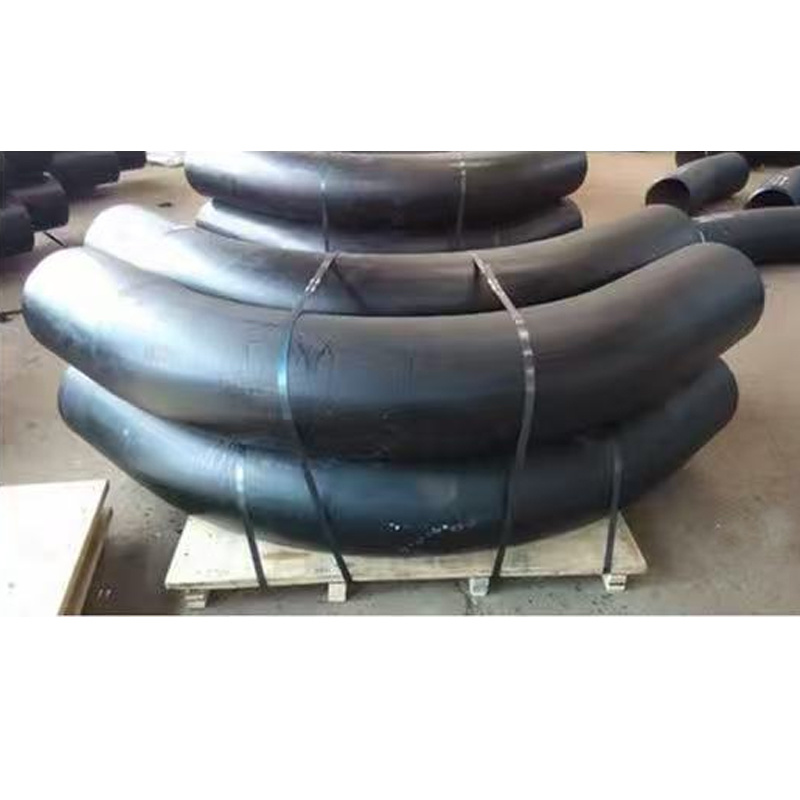
Understanding High-Pressure Plastic-Coated Bends in Industrial Piping Systems
High-pressure plastic-coated bends are critical components in industrial piping systems, especially in applications where durability and resistance to corrosion are paramount. These bends are specifically designed to manage the flow of fluids or gases under high-pressure conditions while maintaining optimal performance and reliability.
The primary function of high-pressure plastic-coated bends is
Sep 13,2026

How to Maintain High-Pressure Alloy Seamless Steel Pipes for Longevity
How to Maintain High-Pressure Alloy Seamless Steel Pipes for Longevity
Table of Contents
Understanding High-Pressure Alloy Seamless Steel Pipes
The Importance of Maintenance for High-Pressure Pipes
Common Challenges in Maintaining High-Pressure Pipes
Best Practices for Maintaining High-Pressure Alloy Seamless Steel Pipes
Regular Inspections and Assessments
Sep 09,2026
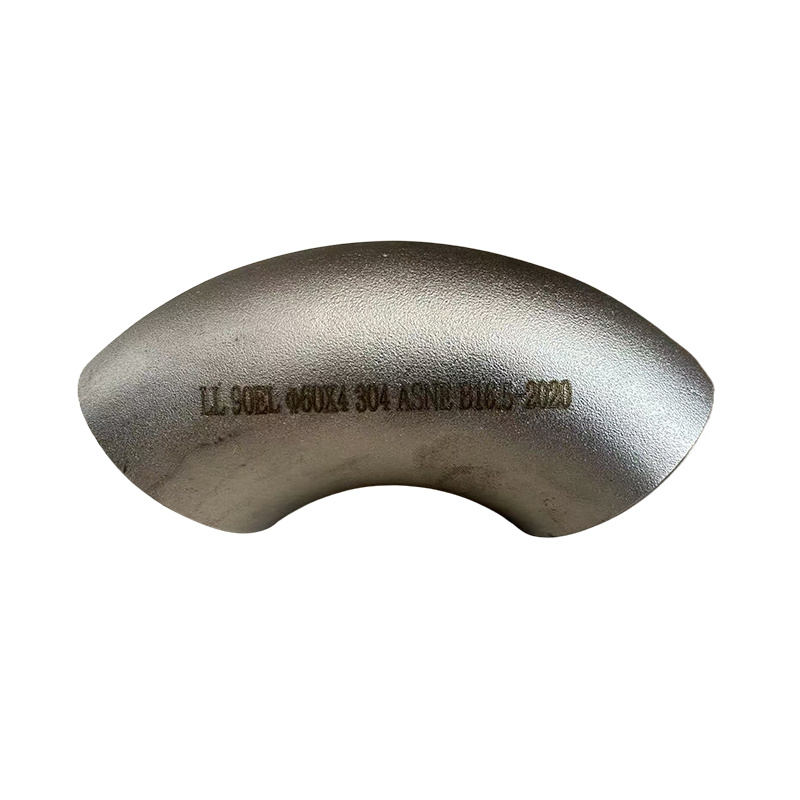
Understanding High-Pressure Alloy Bends: Essential Components for Industrial Piping Systems
High-pressure alloy bends are critical components in the design and operation of industrial piping systems. These bends facilitate the efficient transport of fluids and gases under high-pressure conditions, making them indispensable in various applications, including oil and gas, chemical processing, and power generation.
One of the primary advantages of high-pressure alloy bends is their ability
Sep 05,2026

Service E-mail
Tel
Tel
Address
Room 715, Block A, Qinglin Building, Chentangzhuang, Hexi District, Tianjin
Ask For A Quick Quote
We will contact you within one working day. Please pay attention to your email.