

Choosing the Right Insulation Type for Your Pipeline Needs: An In-Depth Guide
Aug 24,2026
Choosing the Right Insulation Type for Your Pipeline Needs
Table of Contents
Understanding Pipeline Insulation
The Importance of Insulation in Pipelines
Types of Insulation Materials
Fiberglass Insulation
Foam Insulation
Mineral Wool Insulation
Rubber Insulation
Polyethylene Insulation
Factors to Conside
Choosing the Right Insulation Type for Your Pipeline Needs
Table of Contents
- Understanding Pipeline Insulation
- The Importance of Insulation in Pipelines
- Types of Insulation Materials
- Fiberglass Insulation
- Foam Insulation
- Mineral Wool Insulation
- Rubber Insulation
- Polyethylene Insulation
- Factors to Consider When Choosing Insulation
- Installation Considerations
- Maintenance Requirements for Pipeline Insulation
- Environmental Impact of Insulation Choices
- Conclusion
- Frequently Asked Questions
Understanding Pipeline Insulation
Pipeline insulation is a critical aspect of industrial operations, serving multiple purposes including thermal regulation, energy conservation, and safety. Insulation materials act as barriers to heat transfer, helping maintain desired temperatures within pipes irrespective of external conditions. By understanding the different types of insulation available, industries can select the most suitable product for their specific pipeline needs.
The Importance of Insulation in Pipelines
Insulating pipelines is essential for several reasons:
1. **Energy Efficiency**: Proper insulation minimizes heat loss in hot pipelines and heat gain in cold pipelines, leading to significant energy savings over time.
2. **Safety**: Insulation protects personnel from hot surfaces, reducing the risk of burns and accidents. It also prevents condensation and the potential for water damage in cold pipelines.
3. **Process Efficiency**: Maintaining optimal temperatures within pipeline systems enhances the efficiency of the processes they support, whether it’s in oil and gas, chemicals, or other industries.
4. **Condensation Control**: Insulation helps prevent condensation on cold surfaces, which can lead to corrosion and other detrimental effects on pipeline integrity.
5. **Noise Reduction**: Certain insulation materials can dampen sound transmission, creating a quieter working environment.
Types of Insulation Materials
Selecting the right insulation type depends on various factors, including the application, environment, and budget. Below are the most common types of insulation materials used in pipeline applications.
Fiberglass Insulation
Fiberglass insulation is one of the most popular choices for pipeline insulation. Its lightweight nature and high thermal resistance make it a preferred option for many industries. Fiberglass insulation is non-combustible and resistant to moisture, making it suitable for both hot and cold pipelines.
Foam Insulation
Foam insulation, typically made from polyurethane or polystyrene, offers excellent thermal performance and moisture resistance. This type of insulation is ideal for applications where space is limited, as it can be easily molded to fit irregular shapes. Additionally, foam insulation is lightweight, which simplifies installation.
Mineral Wool Insulation
Mineral wool, also known as rock wool, provides excellent fire resistance, making it ideal for high-temperature applications. It is also moisture-resistant and has sound-dampening properties. However, it is heavier than other insulation materials, which may impact installation processes.
Rubber Insulation
Rubber insulation is known for its flexibility and ease of installation. It is highly effective in preventing condensation and is available in various thicknesses. This insulation type is particularly well-suited for cold piping systems where temperature fluctuations are common.
Polyethylene Insulation
Polyethylene insulation is a cost-effective solution that offers good thermal insulation and moisture resistance. It's commonly used in commercial and residential applications but can also be adapted for industrial pipelines. This material is lightweight and easy to handle, making it popular for DIY projects.
Factors to Consider When Choosing Insulation
When selecting the right insulation type for your pipeline, several factors should be taken into account to ensure optimal performance and compliance with safety standards.
Temperature Resistance
Evaluate the temperature range the pipelines will operate under. Each insulation material has specific temperature resistance limits that should be matched with the operational conditions of the pipeline.
Moisture Resistance
Consider the environment in which the pipeline operates. If the area is prone to humidity or direct exposure to water, choosing a moisture-resistant insulation material is crucial to prevent degradation and maintain performance.
Fire Resistance
For industries dealing with flammable materials or operating in hazardous environments, fire-resistant insulation is paramount. Materials such as mineral wool provide excellent fire resistance and should be prioritized in such applications.
Cost-Effectiveness
While upfront costs are important, consider the long-term savings in energy costs and maintenance when evaluating insulation types. Investing in higher-quality insulation may lead to reduced operational costs over time.
Installation Considerations
The installation process varies significantly depending on the type of insulation chosen. Some materials, like fiberglass or mineral wool, may require specialized tools and trained personnel for effective installation. Proper installation is critical not only for performance but also for safety; follow manufacturer guidelines to ensure optimal results.
Maintenance Requirements for Pipeline Insulation
Regular maintenance is vital to prolong the lifespan of pipeline insulation. Inspecting for any signs of moisture intrusion, physical damage, or wear can help prevent larger issues down the line. Establishing a routine maintenance schedule will ensure that your insulation continues to perform effectively.
Environmental Impact of Insulation Choices
Consider the environmental footprint of your selected insulation type. Some materials are more sustainable than others, contributing to an eco-friendly operation. Insulation options that are recyclable or made from recycled materials can significantly reduce waste.
Conclusion
Choosing the right insulation type for your pipeline needs is crucial for ensuring operational efficiency, safety, and cost-effectiveness. By thoroughly evaluating the various types of insulation materials, understanding the factors that influence your selection, and considering installation and maintenance requirements, we can make informed decisions that benefit both our operations and the environment. In doing so, we not only enhance the performance of our pipeline systems but also contribute to a safer and more sustainable industrial landscape.
Frequently Asked Questions
1. What is the best insulation material for high-temperature pipelines?
Mineral wool insulation is recommended for high-temperature applications due to its excellent fire resistance and thermal properties.
2. How does insulation affect energy efficiency in pipelines?
Proper insulation minimizes heat loss in hot pipelines and heat gain in cold pipelines, leading to significant energy savings over time.
3. Is moisture resistance important for pipeline insulation?
Yes, moisture resistance is critical to prevent degradation of the insulation material and avoid issues such as corrosion in the pipeline.
4. How often should pipeline insulation be inspected and maintained?
Regular inspections should be conducted at least once a year, but high-risk environments may require more frequent checks.
5. Can I install insulation myself, or should I hire a professional?
While some insulation types can be installed DIY, it's advisable to hire professionals for complex systems to ensure safety and effectiveness.
Key words:
RELATED INFORMATION
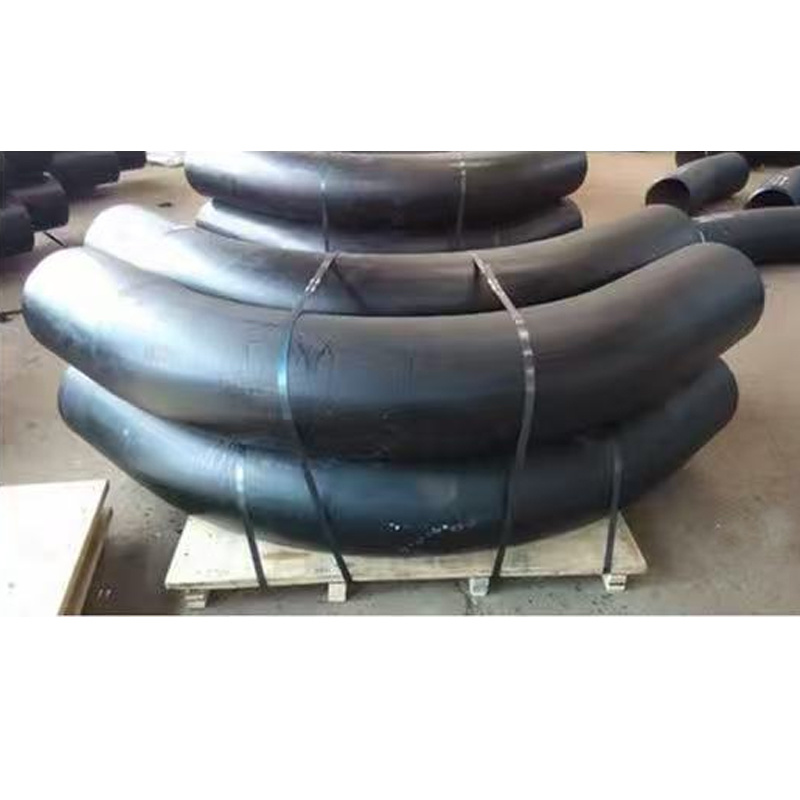
Understanding High-Pressure Plastic-Coated Bends in Industrial Piping Systems
High-pressure plastic-coated bends are critical components in industrial piping systems, especially in applications where durability and resistance to corrosion are paramount. These bends are specifically designed to manage the flow of fluids or gases under high-pressure conditions while maintaining optimal performance and reliability.
The primary function of high-pressure plastic-coated bends is
Sep 13,2026

How to Maintain High-Pressure Alloy Seamless Steel Pipes for Longevity
How to Maintain High-Pressure Alloy Seamless Steel Pipes for Longevity
Table of Contents
Understanding High-Pressure Alloy Seamless Steel Pipes
The Importance of Maintenance for High-Pressure Pipes
Common Challenges in Maintaining High-Pressure Pipes
Best Practices for Maintaining High-Pressure Alloy Seamless Steel Pipes
Regular Inspections and Assessments
Sep 09,2026
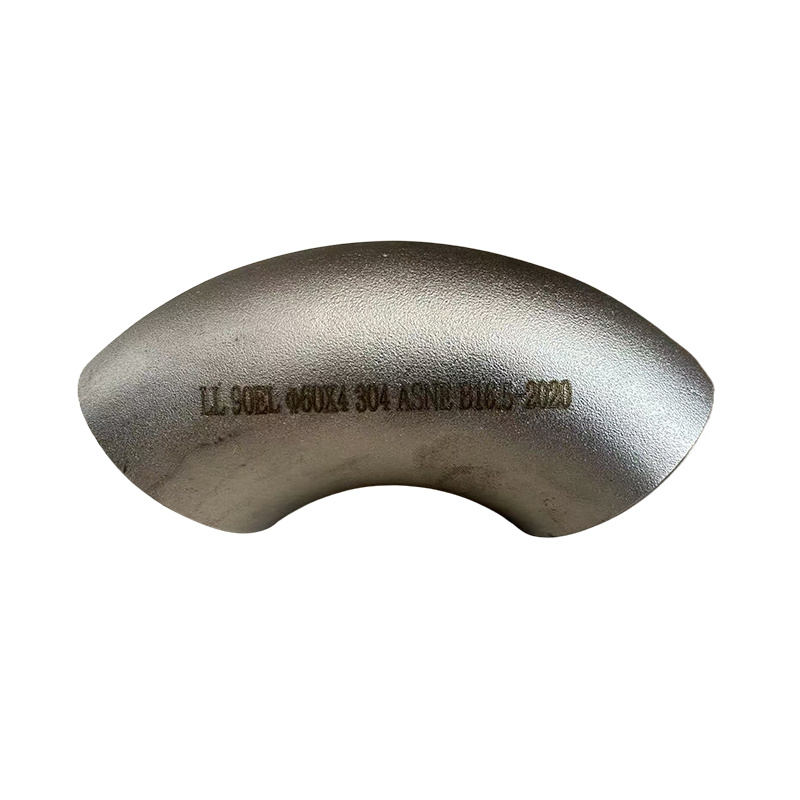
Understanding High-Pressure Alloy Bends: Essential Components for Industrial Piping Systems
High-pressure alloy bends are critical components in the design and operation of industrial piping systems. These bends facilitate the efficient transport of fluids and gases under high-pressure conditions, making them indispensable in various applications, including oil and gas, chemical processing, and power generation.
One of the primary advantages of high-pressure alloy bends is their ability
Sep 05,2026

Service E-mail
Tel
Tel
Address
Room 715, Block A, Qinglin Building, Chentangzhuang, Hexi District, Tianjin
Ask For A Quick Quote
We will contact you within one working day. Please pay attention to your email.