

Understanding the Manufacturing Process of High-Pressure Stainless Steel Seamless Pipes
Sep 17,2026
Understanding the Manufacturing Process of High-Pressure Stainless Steel Seamless Pipes
Introduction to High-Pressure Stainless Steel Seamless Pipes
High-pressure stainless steel seamless pipes are vital components in various industries, including oil and gas, chemical processing, and construction. Their unique properties, such as corrosion resistance and high strength, make them ideal for trans
Understanding the Manufacturing Process of High-Pressure Stainless Steel Seamless Pipes
Introduction to High-Pressure Stainless Steel Seamless Pipes
High-pressure stainless steel seamless pipes are vital components in various industries, including oil and gas, chemical processing, and construction. Their unique properties, such as corrosion resistance and high strength, make them ideal for transporting fluids under high pressure. This article delves into the manufacturing process of these pipes, outlining each stage in detail to provide a comprehensive understanding of how they are produced.
Table of Contents
1. Raw Materials for High-Pressure Stainless Steel Seamless Pipes
2. Key Manufacturing Techniques
- 2.1 Piercing Process
- 2.2 Elongation Process
- 2.3 Finishing Processes
3. Quality Control Measures
4. Applications of High-Pressure Stainless Steel Seamless Pipes
5. Sustainability in Manufacturing
6. Future Trends in Seamless Pipe Manufacturing
7. Frequently Asked Questions
8. Conclusion
1. Raw Materials for High-Pressure Stainless Steel Seamless Pipes
The foundation of high-pressure stainless steel seamless pipes lies in the materials used in their production. Stainless steel is an alloy primarily composed of iron, chromium, and nickel. The addition of chromium provides excellent corrosion resistance, while nickel enhances the alloy's strength and ductility. The selection of raw materials is crucial, as the quality of the pipes directly correlates with the quality of the materials used.
The most commonly used grades for high-pressure applications include:
- **304**: Offers good corrosion resistance and is suitable for many applications.
- **316**: Has enhanced corrosion resistance, particularly in marine environments.
- **321**: Offers stability at higher temperatures due to titanium addition.
Each grade has specific properties tailored to different operational environments, ensuring that the pipes meet the necessary standards for performance and durability.
2. Key Manufacturing Techniques
The manufacturing process of high-pressure stainless steel seamless pipes involves several critical techniques that transform raw materials into finished products. These techniques ensure that the pipes possess the required mechanical properties and surface quality for high-pressure applications.
2.1 Piercing Process
The first step in creating seamless pipes is the **piercing process**, where solid billets of stainless steel are heated and then pierced to form a hollow tube. This operation typically occurs at high temperatures and utilizes a rotary piercer. The hollow billet is then passed through a series of rollers or dies to refine its shape and dimensions.
During this stage, it is essential to maintain optimal temperature control to ensure uniform material properties throughout the pipe. The piercing process sets the foundation for the subsequent elongation, influencing the final mechanical performance of the pipe.
2.2 Elongation Process
After piercing, the next step is the **elongation process**. The hollow tube is further heated and then stretched to reach the desired length and diameter. This process typically employs a rotary piercing mill or elongation mill, where the pipe is elongated through controlled deformation.
During elongation, the material undergoes significant work hardening, which enhances its mechanical properties. The operators closely monitor the elongation to ensure that the final product meets the required specifications for high-pressure applications.
2.3 Finishing Processes
Once the elongation is complete, the pipes undergo several **finishing processes** to achieve the desired surface quality and dimensional accuracy. This can include processes such as:
- **Heat Treatment**: This process removes internal stresses and enhances the mechanical properties of the pipe.
- **Pickling and Passivation**: Involves the removal of oxidized layers and contaminants to improve corrosion resistance.
- **Cold Working**: Utilizes mechanical deformation at room temperature to refine dimensions and improve surface finish.
These finishing processes are essential in ensuring the seamless pipes meet stringent quality standards and are ready for high-pressure applications.
3. Quality Control Measures
Quality control is a critical aspect of the manufacturing process for high-pressure stainless steel seamless pipes. Various measures are implemented throughout production to guarantee the final product's integrity and performance.
Some common quality control measures include:
- **Non-Destructive Testing (NDT)**: Techniques such as ultrasonic testing and magnetic particle inspection detect internal and surface defects without damaging the pipes.
- **Hydrostatic Testing**: Pipes are subjected to high-pressure water tests to ensure they can withstand operational pressures without leaking.
- **Dimensional Inspection**: Regular measurements are taken throughout the manufacturing process to guarantee that the pipes adhere to specified dimensions and tolerances.
Implementing these quality control measures helps manufacturers ensure the reliability and safety of high-pressure stainless steel seamless pipes.
4. Applications of High-Pressure Stainless Steel Seamless Pipes
High-pressure stainless steel seamless pipes have a wide range of applications across various industries due to their excellent mechanical properties and corrosion resistance. Some notable applications include:
- **Oil and Gas Industry**: Used for transporting crude oil, natural gas, and other fluids under high pressure.
- **Chemical Processing**: Essential for transporting chemicals, acids, and other corrosive substances.
- **Power Generation**: Employed in power plants for steam and gas distribution.
- **Construction**: Used in structural applications where strength and durability are paramount.
The versatility of high-pressure stainless steel seamless pipes makes them an integral part of modern industrial infrastructure.
5. Sustainability in Manufacturing
Sustainability has become increasingly important in the manufacturing sector, including the production of high-pressure stainless steel seamless pipes. Manufacturers are adopting eco-friendly practices to minimize their environmental impact, such as:
- **Recycling and Reusing Materials**: Implementing processes that allow for the recycling of scrap material from the manufacturing process.
- **Energy Efficiency**: Utilizing energy-efficient machinery and processes to reduce energy consumption and carbon footprint.
- **Waste Management**: Developing strategies to manage waste effectively, including minimizing waste generation during production.
These practices not only support environmental sustainability but also enhance operational efficiency and cost-effectiveness.
6. Future Trends in Seamless Pipe Manufacturing
As technology continues to advance, the manufacturing process of high-pressure stainless steel seamless pipes is evolving. Key trends shaping the future of this industry include:
- **Automation and Smart Manufacturing**: Utilizing advanced automation technologies and IoT to enhance production efficiency and quality control.
- **Additive Manufacturing**: Exploring 3D printing technologies to produce complex pipe geometries and reduce material waste.
- **Advanced Materials**: Researching new alloys and composite materials to improve performance and reduce costs.
These trends are poised to revolutionize the seamless pipe manufacturing industry, driving innovation and enhancing product offerings.
7. Frequently Asked Questions
**Q1: What are high-pressure stainless steel seamless pipes?**
High-pressure stainless steel seamless pipes are pipes made from stainless steel that do not have any seams or welds, designed to withstand high-pressure applications.
**Q2: What industries utilize high-pressure stainless steel seamless pipes?**
These pipes are widely used in industries such as oil and gas, chemical processing, power generation, and construction.
**Q3: How are seamless pipes produced?**
Seamless pipes are produced through piercing, elongation, and finishing processes, ensuring they meet strict quality standards.
**Q4: What materials are used in high-pressure stainless steel seamless pipes?**
The primary materials include stainless steel alloys, such as 304, 316, and 321, each offering unique properties for different applications.
**Q5: What quality control measures are in place for manufacturing these pipes?**
Quality control measures include non-destructive testing, hydrostatic testing, and dimensional inspections to ensure the pipes meet necessary specifications.
8. Conclusion
Understanding the manufacturing process of high-pressure stainless steel seamless pipes is essential for appreciating their role in various industrial applications. From raw material selection to quality control, each step in the manufacturing process contributes to the durability and reliability of the final product. As technology advances and sustainability practices become more prevalent, the future of seamless pipe manufacturing looks promising, paving the way for innovation and improved efficiency in the industry.
Key words:
RELATED INFORMATION
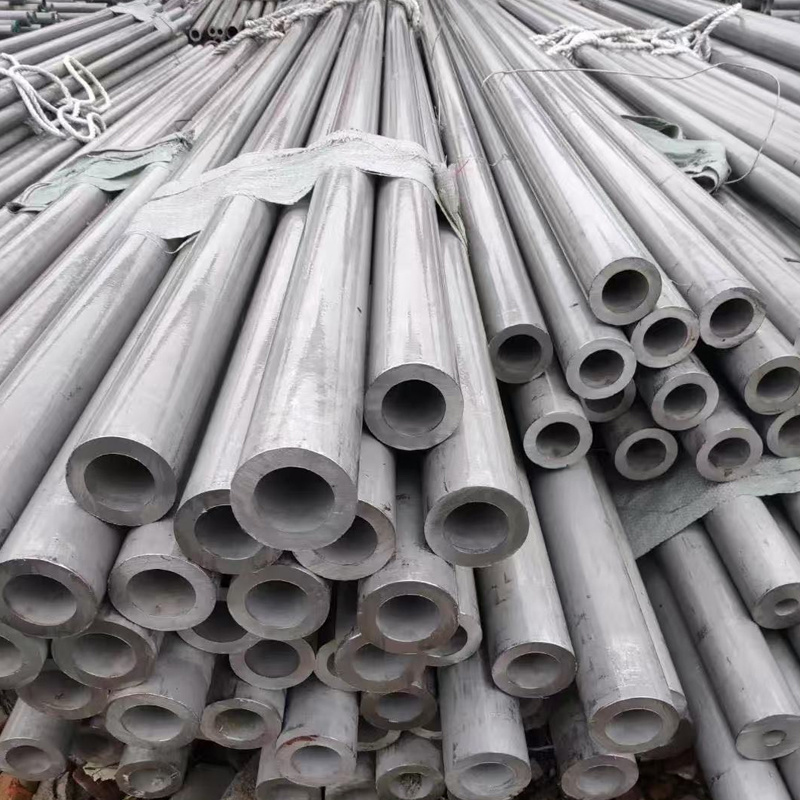
Understanding the Manufacturing Process of High-Pressure Stainless Steel Seamless Pipes
Understanding the Manufacturing Process of High-Pressure Stainless Steel Seamless Pipes
Introduction to High-Pressure Stainless Steel Seamless Pipes
High-pressure stainless steel seamless pipes are vital components in various industries, including oil and gas, chemical processing, and construction. Their unique properties, such as corrosion resistance and high strength, make them ideal for trans
Sep 17,2026
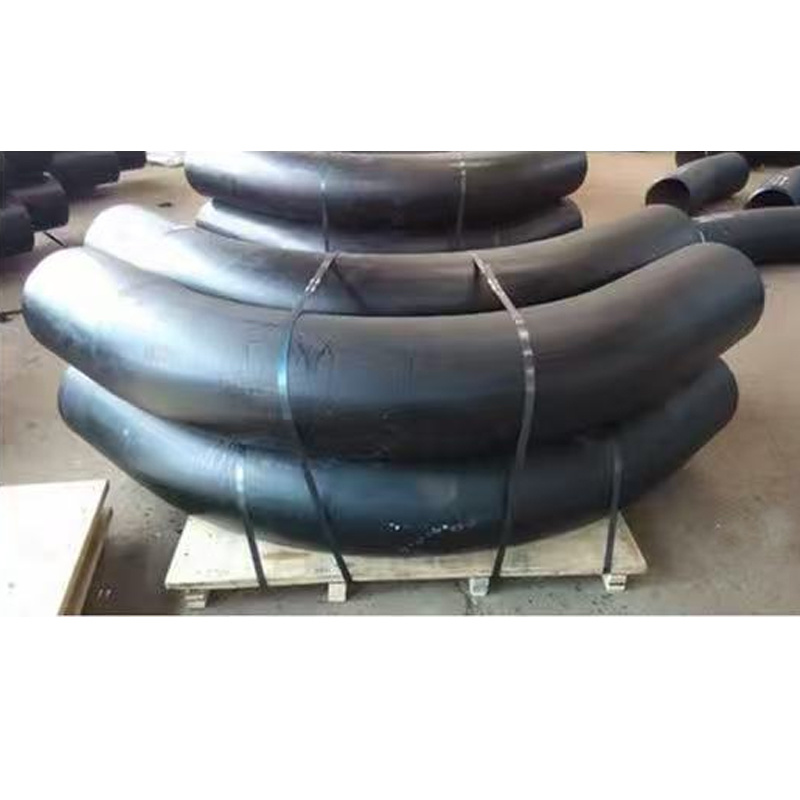
Understanding High-Pressure Plastic-Coated Bends in Industrial Piping Systems
High-pressure plastic-coated bends are critical components in industrial piping systems, especially in applications where durability and resistance to corrosion are paramount. These bends are specifically designed to manage the flow of fluids or gases under high-pressure conditions while maintaining optimal performance and reliability.
The primary function of high-pressure plastic-coated bends is
Sep 13,2026

How to Maintain High-Pressure Alloy Seamless Steel Pipes for Longevity
How to Maintain High-Pressure Alloy Seamless Steel Pipes for Longevity
Table of Contents
Understanding High-Pressure Alloy Seamless Steel Pipes
The Importance of Maintenance for High-Pressure Pipes
Common Challenges in Maintaining High-Pressure Pipes
Best Practices for Maintaining High-Pressure Alloy Seamless Steel Pipes
Regular Inspections and Assessments
Sep 09,2026

Service E-mail
Tel
Tel
Address
Room 715, Block A, Qinglin Building, Chentangzhuang, Hexi District, Tianjin
Ask For A Quick Quote
We will contact you within one working day. Please pay attention to your email.