

Concentric Reducer: Enhancing Efficiency and Stability in Industrial Piping Systems
Mar 25,2026
In modern industrial infrastructure, the efficiency and reliability of piping systems are critical to ensuring smooth operations across various sectors, including oil and gas, petrochemicals, water treatment, and power generation. Among the essential components used in these systems, the concentric reducer plays a vital role in connecting pipes of different diameters while maintaining a uniform centerline. This simple yet highly effective device helps ensure smooth fluid flow, minimize turbulence, and optimize system performance.
A concentric reducer is designed with both ends aligned along the same central axis, forming a symmetrical, cone-shaped transition between pipes of different sizes. This design allows for a gradual change in diameter, reducing the risk of pressure drops and flow disturbances. Compared to abrupt pipe size changes, which can lead to turbulence, vibration, and energy loss, concentric reducers provide a more controlled and efficient transition, making them ideal for vertical piping systems and applications where symmetry is essential.

Manufactured from a wide range of materials such as carbon steel, stainless steel, alloy steel, and specialized corrosion-resistant metals, concentric reducers are built to withstand demanding industrial conditions. In high-pressure and high-temperature environments, such as those found in oil refineries and power plants, these reducers must exhibit exceptional strength, durability, and resistance to corrosion. Advanced production techniques, including seamless forming, welding, and precision machining, ensure that each reducer meets strict quality standards and delivers reliable performance.
One of the key benefits of using a concentric reducer is its ability to improve flow efficiency. By enabling a smooth transition between different pipe sizes, it minimizes turbulence and reduces pressure loss, resulting in more efficient fluid transport. This is particularly important in systems where maintaining consistent flow velocity and pressure is crucial, such as in pump discharge lines and vertical pipelines. Additionally, the symmetrical design helps prevent uneven wear and stress distribution within the piping system, contributing to longer service life and reduced maintenance requirements.
Concentric reducers are widely used in various industrial applications due to their versatility and reliability. In water treatment plants, they facilitate the controlled movement of liquids through filtration and distribution systems. In the chemical industry, they ensure the safe and efficient transport of corrosive substances. In power generation facilities, they help manage steam and fluid flow under high-pressure conditions. Their adaptability makes them an indispensable component in both new installations and system upgrades.
Proper installation and selection of concentric reducers are essential for achieving optimal performance. Engineers must consider factors such as flow rate, pressure requirements, pipe orientation, and the properties of the transported fluid. Choosing the correct size and material ensures compatibility with the system and prevents issues such as leakage, excessive vibration, or structural stress. With standardized dimensions and compliance with international standards such as ASME, ANSI, and DIN, concentric reducers can be easily integrated into a wide range of piping systems.
In addition to their functional advantages, concentric reducers contribute to cost efficiency. By improving flow dynamics and reducing energy losses, they help lower operational costs over time. Their robust construction minimizes the need for frequent maintenance or replacement, further enhancing their economic value. Moreover, the availability of customized designs allows industries to tailor reducers to specific requirements, ensuring maximum performance and efficiency.
As industrial technology continues to advance, concentric reducers are also evolving. Innovations in material science, manufacturing processes, and quality control are leading to products with higher precision, improved durability, and enhanced resistance to extreme conditions. These advancements are essential for meeting the growing demands of modern industries, which require higher efficiency, safety, and environmental compliance.
In conclusion, the concentric reducer is a fundamental component in industrial piping systems, offering significant benefits in terms of flow efficiency, system stability, and operational reliability. Its symmetrical design, durable construction, and versatility make it suitable for a wide range of applications. As industries continue to prioritize efficiency and performance, concentric reducers will remain a key element in optimizing piping systems and ensuring smooth, uninterrupted operations.
Key words:
RELATED INFORMATION
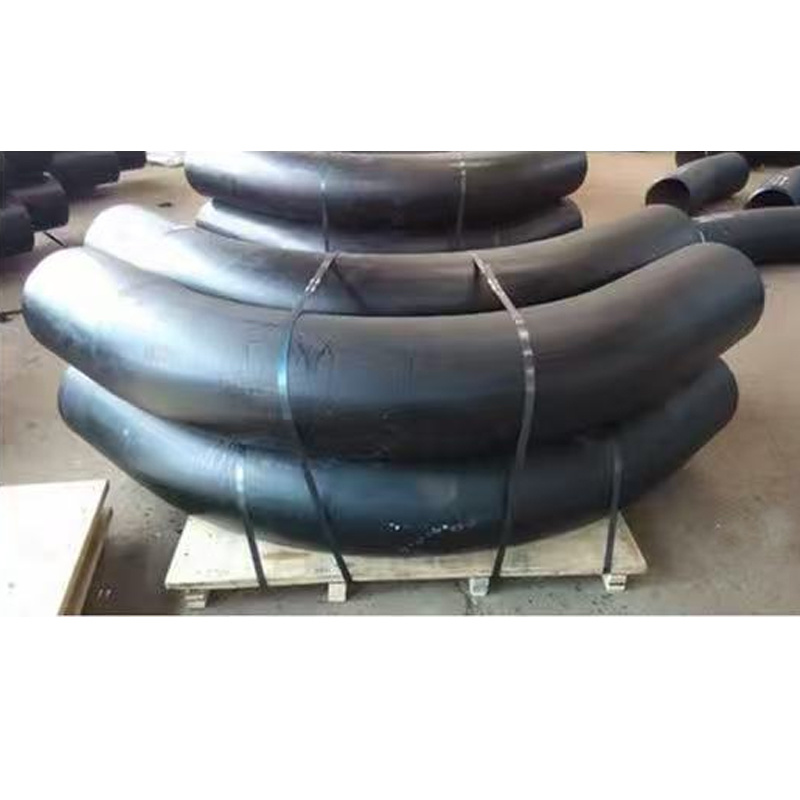
Understanding High-Pressure Plastic-Coated Bends in Industrial Piping Systems
Sep 13,2026

How to Maintain High-Pressure Alloy Seamless Steel Pipes for Longevity
Sep 09,2026
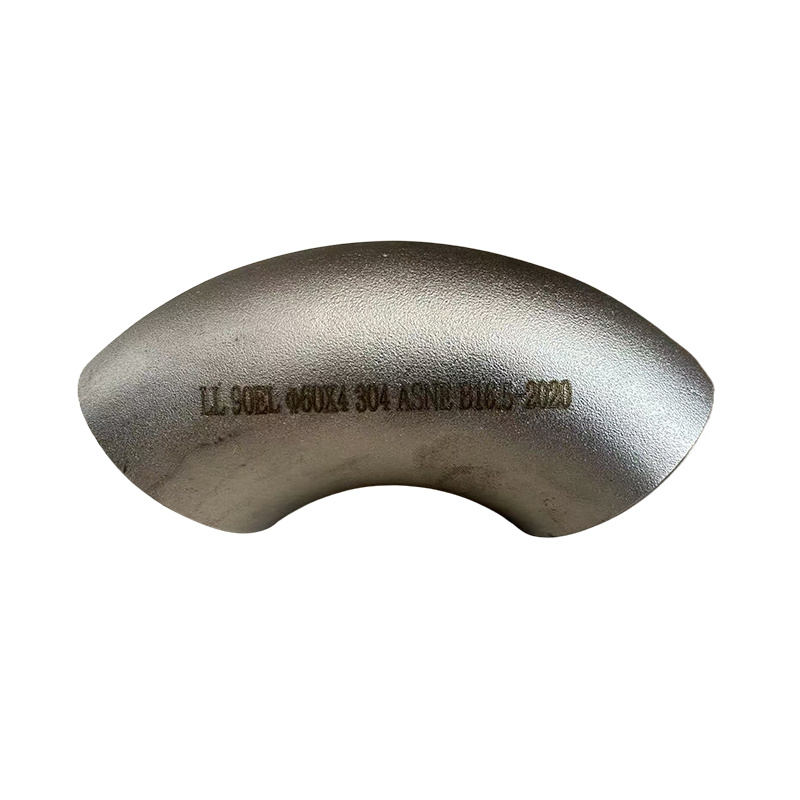
Understanding High-Pressure Alloy Bends: Essential Components for Industrial Piping Systems
Sep 05,2026

Service E-mail
Tel
Tel
Address
Room 715, Block A, Qinglin Building, Chentangzhuang, Hexi District, Tianjin
Ask For A Quick Quote
We will contact you within one working day. Please pay attention to your email.