

How to Optimize Flow Rates in High-Pressure Petroleum Pipelines: A Comprehensive Guide
Nov 25,2025
How to Optimize Flow Rates in High-Pressure Petroleum Pipelines
Table of Contents
- Understanding Flow Rates in Petroleum Pipelines
- The Importance of Optimizing Flow Rates
- Key Factors Affecting Flow Rates
- Pipeline Design Considerations for High-Pressure Systems
- Advanced Technologies for Optimization
- Monitoring and Maintenance Strategies
- Case Studies and Real-World Examples
- Frequently Asked Questions
Understanding Flow Rates in Petroleum Pipelines
Flow rates in high-pressure petroleum pipelines are determined by several critical variables, including pipeline diameter, fluid viscosity, and pressure differential. These rates are essential for ensuring efficient transport of petroleum products from extraction sites to processing facilities. A thorough understanding of the principles of fluid dynamics can help stakeholders manage and optimize these flow rates effectively.
**Flow rate**, typically measured in gallons per minute (GPM) or liters per second (L/s), indicates the volume of fluid passing through a given point in a pipeline over time. Optimizing this rate is crucial for maximizing throughput and minimizing energy costs.
The Importance of Optimizing Flow Rates
Optimizing flow rates in high-pressure petroleum pipelines is not just a matter of efficiency; it directly impacts the bottom line. By achieving higher flow rates, businesses can increase their production capabilities, enhance profitability, and reduce operational costs. Moreover, optimized flow rates can lead to decreased wear and tear on pipeline infrastructure, thereby extending the lifespan of the system and reducing maintenance expenditures.
**Safety** is another critical aspect of flow rate optimization. High-pressure pipelines can pose significant risks if not managed properly. Maintaining optimal flow rates helps prevent dangerous pressure buildups and potential leaks. Therefore, investing time and resources into flow rate optimization is a wise decision for any petroleum operation.
Key Factors Affecting Flow Rates
Several factors play a pivotal role in determining the flow rates in high-pressure petroleum pipelines. Understanding these can help in optimizing operations.
Pipeline Diameter
The diameter of the pipeline significantly influences flow rates. Larger diameters generally allow for higher flow rates due to reduced friction losses. However, designing a pipeline with excessive diameter can lead to increased material costs and installation challenges. Therefore, it's essential to find a balance that meets operational demands without incurring unnecessary expenses.
Fluid Viscosity
The viscosity of the petroleum product being transported affects how easily it flows through the pipeline. Lighter fluids tend to flow more efficiently than heavier, more viscous materials. Adjusting the temperature of the fluid can reduce viscosity and thus improve flow rates. This can be achieved through heating systems strategically placed along the pipeline.
Pressure Differential
A significant factor in flow dynamics is the pressure differential between the entry and exit points of the pipeline. Higher pressure at the pumping station can enhance flow rates, but excessive pressure might risk damaging the pipeline or causing leaks. Utilizing pressure regulators can help maintain optimal pressure levels throughout the system.
Pumping Systems
The type and efficiency of pumping systems used in high-pressure pipelines are crucial for optimizing flow rates. Centrifugal pumps are commonly used due to their efficiency in moving large volumes of fluid. However, selecting the right pump for the specific requirements of the pipeline is essential for achieving optimal performance.
Pipeline Design Considerations for High-Pressure Systems
When designing high-pressure petroleum pipelines, several considerations must be taken into account to optimize flow rates effectively.
Material Selection
Choosing the right materials for pipeline construction is paramount. High-strength alloys and composite materials are often employed to withstand the pressures involved without compromising structural integrity. They also offer better resistance to corrosion, which is vital for long-term operation.
Pipeline Configuration
The configuration of the pipeline, including bends and junctions, can significantly impact flow rates. **Minimizing unnecessary bends** and maintaining smooth transitions can help reduce turbulence and friction losses. Using advanced modeling software can assist in visualizing and optimizing pipeline layout before construction.
Flow Modifiers and Additives
In some cases, incorporating flow modifiers or additives can enhance flow rates. These substances can reduce friction and viscosity, allowing for smoother movement of petroleum through the pipeline. However, careful consideration must be given to the chemical compatibility and potential long-term effects on the pipeline material.
Advanced Technologies for Optimization
Modern technology plays a critical role in optimizing flow rates in high-pressure petroleum pipelines.
Real-Time Monitoring Systems
Implementing real-time monitoring systems allows operators to track flow rates continuously and make immediate adjustments as needed. These systems can alert operators to abnormalities, enabling proactive maintenance and minimizing downtime.
Flow Simulation Software
Flow simulation software can model various scenarios to predict how changes in pipeline design or operation will affect flow rates. By running simulations, operators can make more informed decisions regarding modifications before implementation.
Automated Control Systems
Automated control systems can optimize pumping operations by adjusting speed and pressure based on real-time flow data. This automation enhances efficiency and reduces the likelihood of human error in managing flow rates.
Monitoring and Maintenance Strategies
Effective monitoring and maintenance strategies are essential for sustaining optimized flow rates in high-pressure petroleum pipelines.
Regular Inspections
Conducting regular inspections of pipeline integrity is crucial. Utilizing technologies such as **ultrasonic testing** and smart pigs can help identify issues like corrosion or structural weaknesses before they become significant problems.
Predictive Maintenance
Adopting predictive maintenance strategies can help anticipate and address potential failures before they occur. By analyzing historical data and flow trends, operators can schedule maintenance at optimal times, minimizing disruptions and maintaining flow efficiency.
Training and Development
Investing in training for personnel ensures that all team members are equipped with the knowledge to optimize flow rates effectively. Understanding the intricacies of pipeline operation, maintenance, and troubleshooting will empower staff to make informed decisions that enhance performance.
Case Studies and Real-World Examples
Exploring successful implementations of flow rate optimization can provide valuable insights.
Case Study: XYZ Oil Company
XYZ Oil Company implemented a comprehensive flow optimization strategy by upgrading their pumping systems and adopting real-time monitoring technologies. As a result, they reported a **25% increase in overall flow rates** and a significant reduction in operational costs within the first year.
Case Study: ABC Petroleum
ABC Petroleum focused on pipeline design efficiency, reducing bends in their network and selecting high-quality materials. Their efforts led to enhanced flow rates and improved safety metrics, with no significant incidents over a five-year period.
Frequently Asked Questions
1. What is the ideal flow rate for high-pressure petroleum pipelines?
The ideal flow rate varies based on pipeline size, design, and fluid characteristics. Conducting thorough assessments and simulations is essential to determine specific targets.
2. How can I reduce viscosity in petroleum products?
Viscosity reduction can be achieved through temperature control or by using chemical additives designed to lower fluid resistance.
3. What technologies are best for monitoring flow rates?
Real-time monitoring systems and flow simulation software are among the best options, providing valuable data for optimization.
4. How often should pipeline inspections be conducted?
Regular inspections should be part of a maintenance schedule, typically every six months, but this can vary based on environmental conditions and pipeline age.
5. What are the risks of not optimizing flow rates?
Failure to optimize flow rates can lead to increased costs, safety risks, and potential environmental hazards due to leaks or pipeline failures.
Conclusion
Optimizing flow rates in high-pressure petroleum pipelines is a multifaceted challenge that requires a deep understanding of fluid dynamics, advanced technologies, and strategic design considerations. By focusing on key factors such as pipeline diameter, fluid viscosity, and pressure differentials, stakeholders can enhance efficiency, safety, and profitability. Implementing modern monitoring systems and predictive maintenance strategies can significantly improve flow management. With ongoing innovation and commitment to best practices, companies can achieve optimal flow rates, ensuring their operations remain competitive in the ever-evolving petroleum industry.
Key words:
RELATED INFORMATION
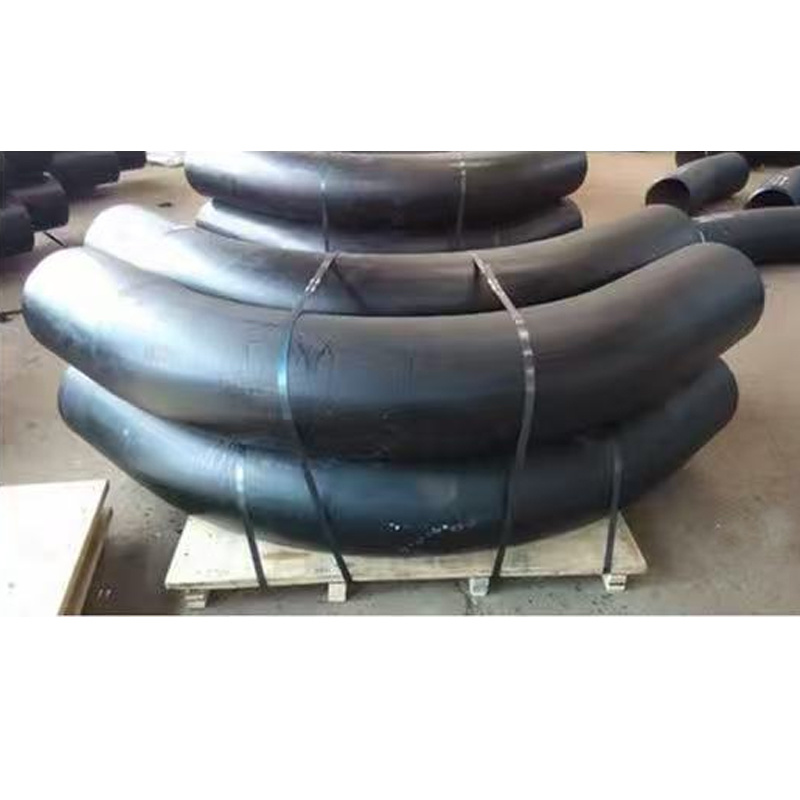
Understanding High-Pressure Plastic-Coated Bends in Industrial Piping Systems
Sep 13,2026

How to Maintain High-Pressure Alloy Seamless Steel Pipes for Longevity
Sep 09,2026
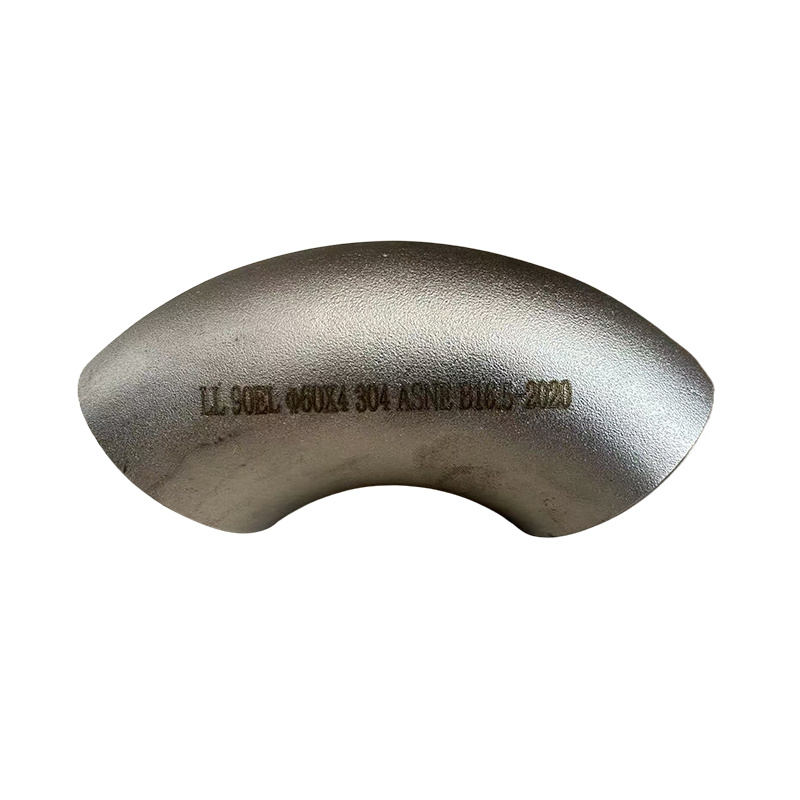
Understanding High-Pressure Alloy Bends: Essential Components for Industrial Piping Systems
Sep 05,2026

Service E-mail
Tel
Tel
Address
Room 715, Block A, Qinglin Building, Chentangzhuang, Hexi District, Tianjin
Ask For A Quick Quote
We will contact you within one working day. Please pay attention to your email.