

High-Pressure Petroleum Pipeline Projects: Case Studies and Insights for Successful Implementation
Dec 05,2025
High-Pressure Petroleum Pipeline Projects: Case Studies and Insights for Successful Implementation
Table of Contents
1. Introduction to High-Pressure Petroleum Pipelines
2. Importance of High-Pressure Pipelines in the Oil and Gas Industry
3. Case Studies of High-Pressure Pipeline Projects
3.1 Case Study 1: Trans-Alaska Pipeline System
3.2 Case Study 2:
High-Pressure Petroleum Pipeline Projects: Case Studies and Insights for Successful Implementation
Table of Contents
- 1. Introduction to High-Pressure Petroleum Pipelines
- 2. Importance of High-Pressure Pipelines in the Oil and Gas Industry
- 3. Case Studies of High-Pressure Pipeline Projects
- 3.1 Case Study 1: Trans-Alaska Pipeline System
- 3.2 Case Study 2: Nord Stream Pipeline
- 3.3 Case Study 3: Keystone XL Pipeline
- 4. Engineering Challenges in High-Pressure Pipeline Projects
- 5. Technological Advancements in Pipeline Construction
- 6. Risk Management Strategies for Pipeline Projects
- 7. Best Practices for Successful Pipeline Implementation
- 8. Conclusion
- 9. Frequently Asked Questions
1. Introduction to High-Pressure Petroleum Pipelines
High-pressure petroleum pipelines serve as the backbone of the oil and gas industry. They are engineered to transport crude oil, natural gas, and refined products across vast distances efficiently and safely. The design and construction of these pipelines involve strict adherence to safety standards and regulations to prevent leaks and environmental hazards. As the demand for energy resources continues to rise, understanding the intricacies of high-pressure pipeline projects becomes essential for stakeholders in the oil and gas sector.
2. Importance of High-Pressure Pipelines in the Oil and Gas Industry
High-pressure pipelines play a pivotal role in facilitating the transportation of petroleum products. They offer several advantages, including:
- Efficiency: High-pressure systems allow for the rapid transportation of large quantities of oil and gas, minimizing transit times and maximizing throughput.
- Cost-Effectiveness: Constructing a pipeline is often more economical than other transportation methods such as rail or trucking, especially over long distances.
- Safety: High-pressure pipelines are designed with advanced engineering techniques that ensure safe transportation, reducing the risk of spills and accidents.
- Environmental Benefits: Pipelines produce lower greenhouse gas emissions compared to other transportation methods, making them a more sustainable choice.
3. Case Studies of High-Pressure Pipeline Projects
Understanding real-world applications through case studies provides valuable insights into the challenges and solutions faced during high-pressure pipeline projects.
3.1 Case Study 1: Trans-Alaska Pipeline System
The Trans-Alaska Pipeline System (TAPS) is one of the most notable high-pressure pipelines in the world, stretching approximately 800 miles from Prudhoe Bay to Valdez, Alaska. Constructed in the late 1970s, this pipeline has transported billions of barrels of crude oil. Key challenges included extreme weather conditions, seismic activity, and environmental concerns. Engineers utilized advanced materials and engineering practices, including insulation and support structures, to mitigate these challenges and ensure the pipeline's integrity.
3.2 Case Study 2: Nord Stream Pipeline
The Nord Stream Pipeline, running beneath the Baltic Sea, transports natural gas from Russia to Europe. This project faced various geopolitical and environmental challenges, particularly regarding its route selection and the impact on marine ecosystems. Advanced monitoring technologies were implemented to ensure environmental protection and pipeline safety, demonstrating the importance of balancing energy needs with ecological considerations.
3.3 Case Study 3: Keystone XL Pipeline
The Keystone XL Pipeline aims to transport synthetic crude oil and diluted bitumen ("dilbit") from Canada to various destinations in the United States. The project has encountered significant opposition due to concerns about environmental impacts and indigenous land rights. Despite this, proponents argue that the pipeline will enhance energy independence and create jobs. This case highlights the need for robust stakeholder engagement and transparent communication in high-pressure pipeline projects.
4. Engineering Challenges in High-Pressure Pipeline Projects
High-pressure pipeline projects face a variety of engineering challenges. These can include:
- Material Selection: Choosing the right materials is critical to withstand high pressure and corrosive substances.
- Geographical Considerations: Adapting the pipeline design to terrain variations, including mountains, rivers, and urban areas, is essential for maintaining structural integrity.
- Environmental Impact: Minimizing the ecological footprint while adhering to regulatory standards is a significant challenge.
- Weather Conditions: Pipelines must be designed to endure extreme weather, such as heavy snowfall or intense heat, which can affect their structural integrity.
5. Technological Advancements in Pipeline Construction
Technological innovations have revolutionized the construction and operation of high-pressure pipelines. Key advancements include:
- Smart Pipeline Monitoring: Real-time monitoring systems equipped with sensors and data analytics allow for early detection of leaks or pressure drops, enhancing safety.
- Automated Welding Techniques: Advanced welding technologies improve the quality and speed of pipeline construction, reducing the risk of human error.
- Robotic Inspection: Robots and drones are increasingly used for pipeline inspection, enabling efficient and thorough assessment of pipeline integrity without disrupting operations.
6. Risk Management Strategies for Pipeline Projects
Effective risk management is crucial for the success of high-pressure pipeline projects. Strategies include:
- Risk Assessment: Conduct comprehensive risk assessments to identify potential hazards and vulnerabilities associated with the pipeline.
- Emergency Response Planning: Develop detailed emergency response plans to ensure quick and effective action in the event of a pipeline failure.
- Regular Maintenance: Implement regular maintenance schedules and inspections to ensure ongoing pipeline integrity and safety.
7. Best Practices for Successful Pipeline Implementation
Implementing best practices can significantly enhance the success of high-pressure pipeline projects:
- Stakeholder Engagement: Actively involve stakeholders, including local communities and regulatory bodies, to foster trust and transparency.
- Compliance with Regulations: Adhere to national and international regulations governing pipeline construction and operation to ensure legal compliance and safety.
- Training and Development: Invest in training programs for employees to keep them informed about the latest technologies and safety practices.
8. Conclusion
High-pressure petroleum pipeline projects are fundamental to the global energy landscape. Through careful planning, innovative engineering solutions, and adherence to best practices, stakeholders can successfully navigate the complexities associated with these projects. The insights provided through case studies illustrate the importance of learning from past challenges to ensure future success in pipeline initiatives.
9. Frequently Asked Questions
Q1: What are the typical materials used in high-pressure pipelines?
A1: High-pressure pipelines are commonly constructed using carbon steel, stainless steel, and specialized alloys designed to withstand high pressures and corrosive substances.
Q2: How do companies ensure the safety of high-pressure pipelines?
A2: Companies implement rigorous monitoring systems, conduct regular inspections, and adhere to safety regulations to ensure pipeline integrity and prevent accidents.
Q3: What role does technology play in modern pipeline construction?
A3: Technology plays a vital role, with advancements in monitoring systems, automated welding, and robotic inspections enhancing efficiency, safety, and reliability.
Q4: What are the environmental impacts of high-pressure pipelines?
A4: Environmental impacts can include potential spills, habitat disruption, and water contamination. Mitigating strategies involve careful route selection and monitoring during operation.
Q5: How can stakeholders engage in pipeline projects?
A5: Stakeholders can participate through public consultations, providing feedback on project proposals, and engaging in dialogue with project developers to address concerns and expectations.
Key words:
RELATED INFORMATION
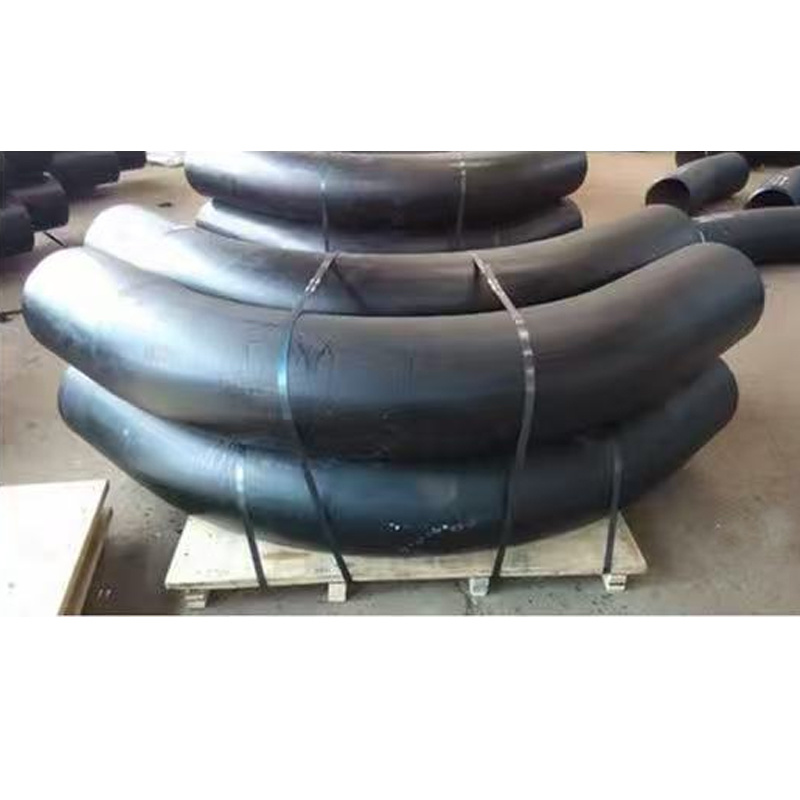
Understanding High-Pressure Plastic-Coated Bends in Industrial Piping Systems
High-pressure plastic-coated bends are critical components in industrial piping systems, especially in applications where durability and resistance to corrosion are paramount. These bends are specifically designed to manage the flow of fluids or gases under high-pressure conditions while maintaining optimal performance and reliability.
The primary function of high-pressure plastic-coated bends is
Sep 13,2026

How to Maintain High-Pressure Alloy Seamless Steel Pipes for Longevity
How to Maintain High-Pressure Alloy Seamless Steel Pipes for Longevity
Table of Contents
Understanding High-Pressure Alloy Seamless Steel Pipes
The Importance of Maintenance for High-Pressure Pipes
Common Challenges in Maintaining High-Pressure Pipes
Best Practices for Maintaining High-Pressure Alloy Seamless Steel Pipes
Regular Inspections and Assessments
Sep 09,2026
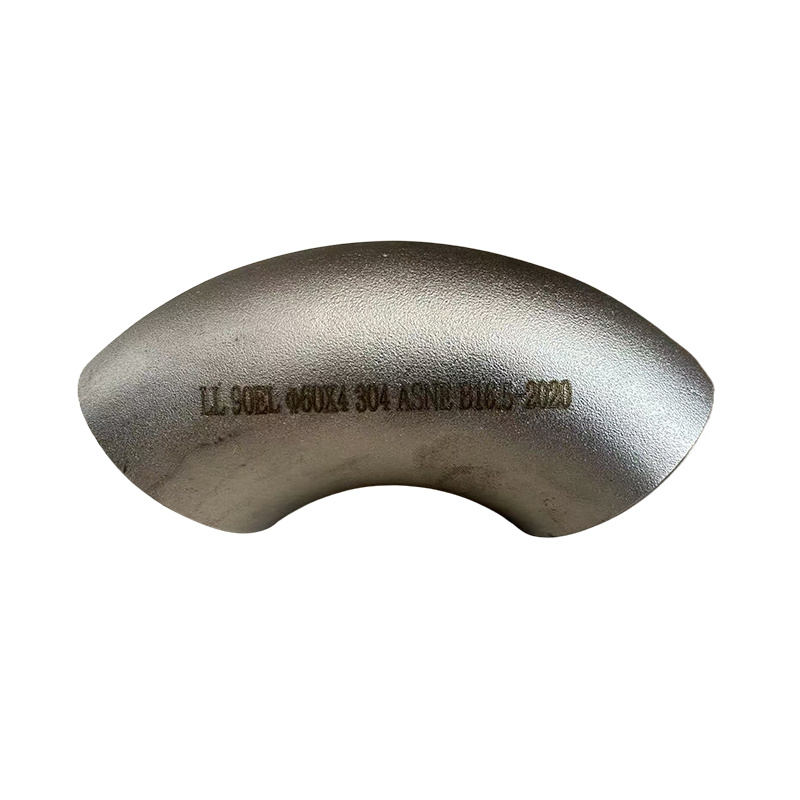
Understanding High-Pressure Alloy Bends: Essential Components for Industrial Piping Systems
High-pressure alloy bends are critical components in the design and operation of industrial piping systems. These bends facilitate the efficient transport of fluids and gases under high-pressure conditions, making them indispensable in various applications, including oil and gas, chemical processing, and power generation.
One of the primary advantages of high-pressure alloy bends is their ability
Sep 05,2026

Service E-mail
Tel
Tel
Address
Room 715, Block A, Qinglin Building, Chentangzhuang, Hexi District, Tianjin
Ask For A Quick Quote
We will contact you within one working day. Please pay attention to your email.