

Understanding High-Pressure Alloy Bends: Key Insights for Industrial Applications
Dec 06,2025
High-pressure alloy bends are essential components in the realm of industrial piping systems. They play a pivotal role in various applications, notably in environments where high pressure and temperature conditions prevail. Understanding the characteristics and benefits of high-pressure alloy bends can greatly enhance the efficiency and safety of pipeline systems.
Typically crafted from advanced a
High-pressure alloy bends are essential components in the realm of industrial piping systems. They play a pivotal role in various applications, notably in environments where high pressure and temperature conditions prevail. Understanding the characteristics and benefits of high-pressure alloy bends can greatly enhance the efficiency and safety of pipeline systems.
Typically crafted from advanced alloy materials, high-pressure alloy bends are designed to withstand extreme conditions without succumbing to deformation or failure. The unique properties of these materials include exceptional strength-to-weight ratios, corrosion resistance, and the ability to endure thermal fluctuations. This makes them particularly suitable for industries such as oil and gas, petrochemicals, and power generation, where the integrity of piping systems is paramount.
One of the primary advantages of using high-pressure alloy bends is their ability to facilitate directional changes in pipelines. In many industrial applications, a straight run of pipe is not feasible, necessitating bends to redirect the flow of fluids or gases. High-pressure alloy bends achieve this while minimizing pressure losses and turbulence, which is crucial for maintaining system efficiency. Additionally, these bends can be manufactured to meet specific angles and diameters, providing versatility in design and installation.
Another significant aspect of high-pressure alloy bends is their contribution to reducing the risk of leaks and failures. The robust nature of the alloy materials used ensures that the bends can handle sudden pressure surges without cracking or breaking. This reliability is vital for preventing unplanned shutdowns and costly repairs, ultimately enhancing operational efficiency.
Furthermore, the use of high-pressure alloy bends aligns with industry standards and regulations that emphasize safety and reliability in piping systems. Compliance with these standards not only ensures the longevity of the equipment but also protects the environment and surrounding communities from potential hazards associated with pipeline failures.
In summary, high-pressure alloy bends are crucial for maintaining the functionality and safety of industrial piping systems. Their unique properties, combined with their ability to manage fluid dynamics effectively, make them indispensable in various applications. By understanding the significance of high-pressure alloy bends, industry professionals can make informed decisions that enhance system performance while adhering to safety regulations and industry best practices. Embracing these components in pipeline design and implementation can lead to more efficient operations and reduce the likelihood of operational disruptions.
Typically crafted from advanced alloy materials, high-pressure alloy bends are designed to withstand extreme conditions without succumbing to deformation or failure. The unique properties of these materials include exceptional strength-to-weight ratios, corrosion resistance, and the ability to endure thermal fluctuations. This makes them particularly suitable for industries such as oil and gas, petrochemicals, and power generation, where the integrity of piping systems is paramount.
One of the primary advantages of using high-pressure alloy bends is their ability to facilitate directional changes in pipelines. In many industrial applications, a straight run of pipe is not feasible, necessitating bends to redirect the flow of fluids or gases. High-pressure alloy bends achieve this while minimizing pressure losses and turbulence, which is crucial for maintaining system efficiency. Additionally, these bends can be manufactured to meet specific angles and diameters, providing versatility in design and installation.
Another significant aspect of high-pressure alloy bends is their contribution to reducing the risk of leaks and failures. The robust nature of the alloy materials used ensures that the bends can handle sudden pressure surges without cracking or breaking. This reliability is vital for preventing unplanned shutdowns and costly repairs, ultimately enhancing operational efficiency.
Furthermore, the use of high-pressure alloy bends aligns with industry standards and regulations that emphasize safety and reliability in piping systems. Compliance with these standards not only ensures the longevity of the equipment but also protects the environment and surrounding communities from potential hazards associated with pipeline failures.
In summary, high-pressure alloy bends are crucial for maintaining the functionality and safety of industrial piping systems. Their unique properties, combined with their ability to manage fluid dynamics effectively, make them indispensable in various applications. By understanding the significance of high-pressure alloy bends, industry professionals can make informed decisions that enhance system performance while adhering to safety regulations and industry best practices. Embracing these components in pipeline design and implementation can lead to more efficient operations and reduce the likelihood of operational disruptions.
Key words:
RELATED INFORMATION
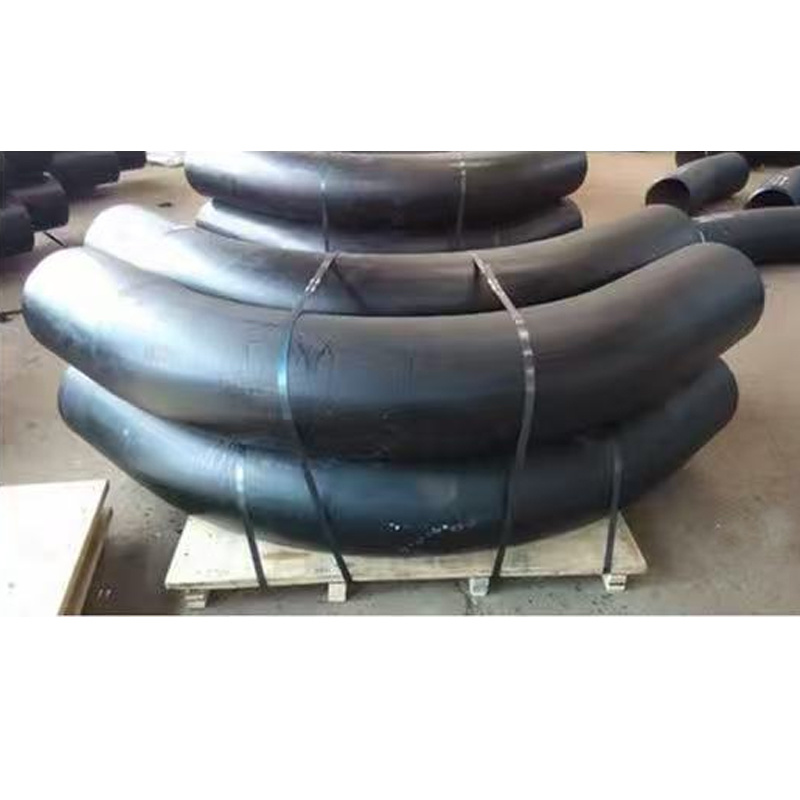
Understanding High-Pressure Plastic-Coated Bends in Industrial Piping Systems
High-pressure plastic-coated bends are critical components in industrial piping systems, especially in applications where durability and resistance to corrosion are paramount. These bends are specifically designed to manage the flow of fluids or gases under high-pressure conditions while maintaining optimal performance and reliability.
The primary function of high-pressure plastic-coated bends is
Sep 13,2026

How to Maintain High-Pressure Alloy Seamless Steel Pipes for Longevity
How to Maintain High-Pressure Alloy Seamless Steel Pipes for Longevity
Table of Contents
Understanding High-Pressure Alloy Seamless Steel Pipes
The Importance of Maintenance for High-Pressure Pipes
Common Challenges in Maintaining High-Pressure Pipes
Best Practices for Maintaining High-Pressure Alloy Seamless Steel Pipes
Regular Inspections and Assessments
Sep 09,2026
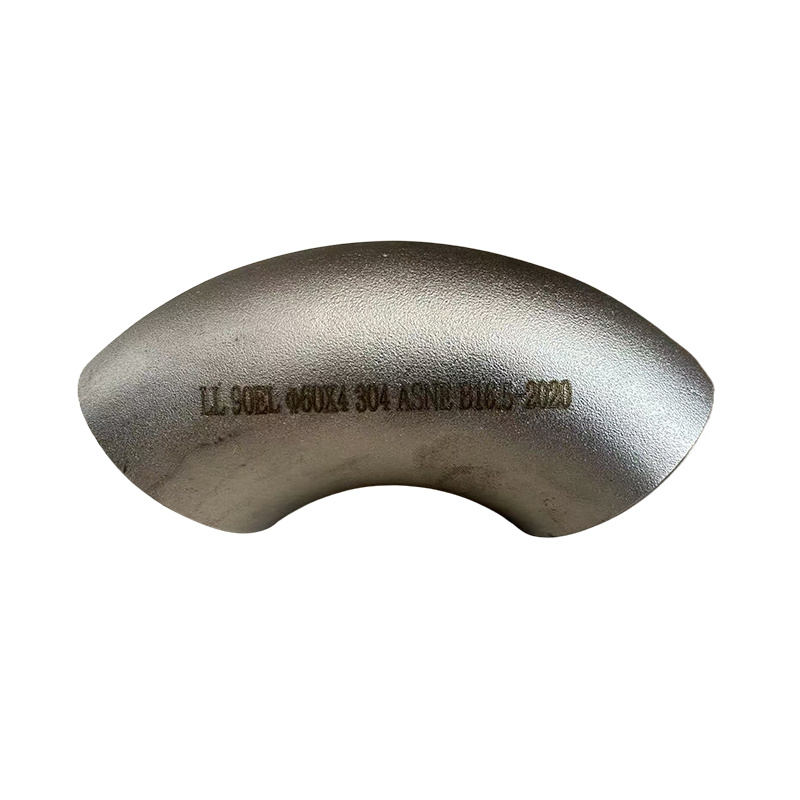
Understanding High-Pressure Alloy Bends: Essential Components for Industrial Piping Systems
High-pressure alloy bends are critical components in the design and operation of industrial piping systems. These bends facilitate the efficient transport of fluids and gases under high-pressure conditions, making them indispensable in various applications, including oil and gas, chemical processing, and power generation.
One of the primary advantages of high-pressure alloy bends is their ability
Sep 05,2026

Service E-mail
Tel
Tel
Address
Room 715, Block A, Qinglin Building, Chentangzhuang, Hexi District, Tianjin
Ask For A Quick Quote
We will contact you within one working day. Please pay attention to your email.