

Why Choose High-Pressure Alloy Seamless Steel Pipe for Your Next Project?
Dec 07,2025
Why Choose High-Pressure Alloy Seamless Steel Pipe for Your Next Project?
Table of Contents
1. Introduction to High-Pressure Alloy Seamless Steel Pipe
2. What Are High-Pressure Alloy Seamless Steel Pipes?
3. Advantages of High-Pressure Alloy Seamless Steel Pipes
3.1 Strength and Durability
3.2 Corrosion Resistance
3.3 Cost-Effectiveness
4. Applications of High-
Why Choose High-Pressure Alloy Seamless Steel Pipe for Your Next Project?
Table of Contents
- 1. Introduction to High-Pressure Alloy Seamless Steel Pipe
- 2. What Are High-Pressure Alloy Seamless Steel Pipes?
- 3. Advantages of High-Pressure Alloy Seamless Steel Pipes
- 4. Applications of High-Pressure Alloy Seamless Steel Pipes
- 5. Manufacturing Process of High-Pressure Alloy Seamless Steel Pipes
- 6. How to Choose the Right High-Pressure Alloy Seamless Steel Pipe
- 7. Maintenance Tips for High-Pressure Alloy Seamless Steel Pipes
- 8. Frequently Asked Questions (FAQs)
- 9. Conclusion
1. Introduction to High-Pressure Alloy Seamless Steel Pipe
In industries where durability and performance are paramount, **high-pressure alloy seamless steel pipes** emerge as a top choice for engineers and project managers. These pipes are manufactured from high-grade alloys, ensuring they can withstand extreme pressures and corrosive environments. Whether you are involved in oil and gas, chemical processing, or power generation, understanding the key benefits of these pipes can significantly impact project success.
2. What Are High-Pressure Alloy Seamless Steel Pipes?
High-pressure alloy seamless steel pipes are cylindrical tubes crafted from alloy steel without any seams or welds. This seamless construction enhances the pipe's structural integrity, allowing it to endure higher pressure and temperatures than its welded counterparts. The alloy composition, typically featuring elements like nickel, chromium, and molybdenum, contributes to their enhanced mechanical properties and resistance to wear and tear.
3. Advantages of High-Pressure Alloy Seamless Steel Pipes
Understanding the advantages of high-pressure alloy seamless steel pipes is crucial when selecting materials for your projects. Below are some of the significant benefits these pipes offer.
3.1 Strength and Durability
One of the primary reasons engineers opt for high-pressure alloy seamless steel pipes is their remarkable strength. The absence of seams reduces the risk of weak points, making these pipes more resilient to stress and fatigue over time. Whether subjected to high temperatures or corrosive substances, seamless pipes maintain their integrity, ensuring they remain operational for extended periods.
3.2 Corrosion Resistance
Corrosion can be a significant concern in many industries, particularly those dealing with harsh chemicals or marine environments. High-pressure alloy seamless steel pipes are designed to resist corrosion, thanks to their alloy composition. By incorporating elements that form protective layers against oxidation, these pipes provide a longer service life, reducing the need for frequent replacements and maintenance.
3.3 Cost-Effectiveness
While the initial investment in high-pressure alloy seamless steel pipes may be higher than other materials, their long-term durability and reduced maintenance costs make them a cost-effective choice. Fewer breakdowns and extended service life translate to lower operational costs, allowing businesses to allocate resources more effectively.
4. Applications of High-Pressure Alloy Seamless Steel Pipes
High-pressure alloy seamless steel pipes are versatile and find applications across a variety of industries:
- **Oil and Gas**: They are commonly used in pipelines, risers, and pressure vessels due to their ability to withstand extreme conditions.
- **Chemical Processing**: Their resistance to corrosive substances makes them ideal for transporting chemicals safely.
- **Power Generation**: In power plants, these pipes transport steam at high pressures, which is essential for efficient energy production.
- **Aerospace and Defense**: High-pressure alloy seamless pipes are utilized in aircraft and military applications where reliability is critical.
5. Manufacturing Process of High-Pressure Alloy Seamless Steel Pipes
The manufacturing process of high-pressure alloy seamless steel pipes involves several critical steps:
1. **Billet Preparation**: A solid steel billet is heated to a malleable temperature.
2. **Piercing**: A hole is pierced through the center of the heated billet to create a tube shape.
3. **Elongation**: The tube is then elongated using a mandrel to achieve the desired length and wall thickness.
4. **Heat Treatment**: The pipe undergoes heat treatment to enhance its mechanical properties.
5. **Finishing**: Finally, the pipe is finished through processes like cold drawing, annealing, and surface treatment to achieve the required specifications.
This complex process ensures that each high-pressure alloy seamless steel pipe meets strict industry standards for quality and performance.
6. How to Choose the Right High-Pressure Alloy Seamless Steel Pipe
Selecting the appropriate high-pressure alloy seamless steel pipe for your project requires careful consideration of several factors:
- **Pressure Rating**: Ensure the pipe can handle the specific pressures encountered in your application.
- **Temperature Range**: Assess the temperature limits and select a pipe that can perform effectively within those ranges.
- **Corrosion Resistance**: Consider the environment and select an alloy that offers adequate resistance to potential corrosive elements.
- **Compliance Standards**: Verify that the pipe meets industry standards and certifications required for safety and performance.
Consulting with industry experts can provide valuable insights into the best choices for your specific needs.
7. Maintenance Tips for High-Pressure Alloy Seamless Steel Pipes
To extend the life of high-pressure alloy seamless steel pipes, regular maintenance is essential. Here are some tips:
- **Regular Inspections**: Schedule routine inspections to identify any signs of wear, corrosion, or damage.
- **Cleaning**: Keep the pipes clean from debris and contaminants that can cause corrosion or blockages.
- **Monitoring Pressure and Temperature**: Ensure that the pipes operate within their rated pressure and temperature limits to prevent failures.
- **Environment Control**: If possible, control the environmental factors around the pipes to reduce corrosion risks, such as moisture and chemical exposure.
Implementing these maintenance practices can improve the longevity and reliability of your piping system.
8. Frequently Asked Questions (FAQs)
1. What is the difference between seamless and welded pipes?
Seamless pipes are manufactured without welds, providing higher strength and reliability compared to welded pipes, which may have weak points due to the welding process.
2. Why are high-pressure alloy seamless steel pipes more expensive?
The manufacturing process and the high-quality materials used contribute to their higher cost, but their durability and reduced maintenance needs make them cost-effective in the long run.
3. Can high-pressure alloy seamless steel pipes be used for low-temperature applications?
Yes, specific alloys are designed to withstand low temperatures, but it’s essential to choose the right alloy for such applications.
4. How do I determine the right size of high-pressure alloy seamless steel pipe?
The correct size depends on the flow requirements and the dimensions of the system. Consulting with an engineer or supplier can help ensure proper sizing.
5. Are high-pressure alloy seamless steel pipes recyclable?
Yes, they are recyclable, and recycling can be a sustainable option for businesses looking to minimize their environmental impact.
9. Conclusion
Choosing high-pressure alloy seamless steel pipes for your next project offers numerous advantages, including exceptional strength, corrosion resistance, and cost-effectiveness. These pipes are essential components across various industries, ensuring durability and performance under challenging conditions. By understanding their benefits, applications, and maintenance requirements, project managers can make informed decisions that lead to long-term success. Investing in high-pressure alloy seamless steel pipes is not merely a choice; it’s a commitment to quality and reliability in your engineering projects.
Key words:
RELATED INFORMATION
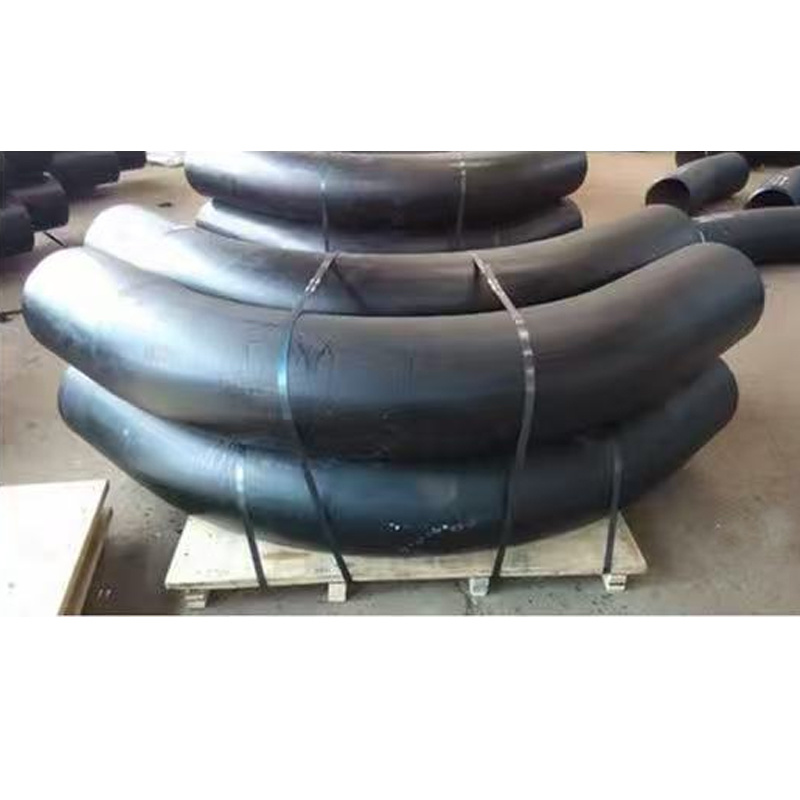
Understanding High-Pressure Plastic-Coated Bends in Industrial Piping Systems
High-pressure plastic-coated bends are critical components in industrial piping systems, especially in applications where durability and resistance to corrosion are paramount. These bends are specifically designed to manage the flow of fluids or gases under high-pressure conditions while maintaining optimal performance and reliability.
The primary function of high-pressure plastic-coated bends is
Sep 13,2026

How to Maintain High-Pressure Alloy Seamless Steel Pipes for Longevity
How to Maintain High-Pressure Alloy Seamless Steel Pipes for Longevity
Table of Contents
Understanding High-Pressure Alloy Seamless Steel Pipes
The Importance of Maintenance for High-Pressure Pipes
Common Challenges in Maintaining High-Pressure Pipes
Best Practices for Maintaining High-Pressure Alloy Seamless Steel Pipes
Regular Inspections and Assessments
Sep 09,2026
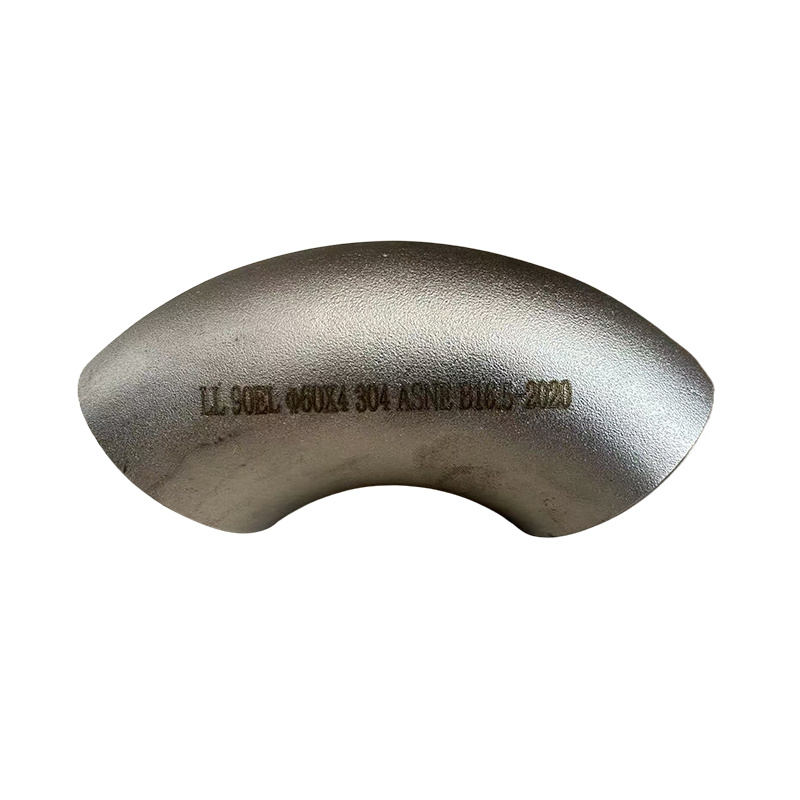
Understanding High-Pressure Alloy Bends: Essential Components for Industrial Piping Systems
High-pressure alloy bends are critical components in the design and operation of industrial piping systems. These bends facilitate the efficient transport of fluids and gases under high-pressure conditions, making them indispensable in various applications, including oil and gas, chemical processing, and power generation.
One of the primary advantages of high-pressure alloy bends is their ability
Sep 05,2026

Service E-mail
Tel
Tel
Address
Room 715, Block A, Qinglin Building, Chentangzhuang, Hexi District, Tianjin
Ask For A Quick Quote
We will contact you within one working day. Please pay attention to your email.