

The Importance of Corrosion Resistance in High-Pressure Petroleum Pipelines
Dec 15,2025
The Importance of Corrosion Resistance in High-Pressure Petroleum Pipelines
Table of Contents
1. Introduction
2. Understanding Corrosion in Pipelines
2.1 Types of Corrosion Affecting Pipelines
2.2 Factors Contributing to Corrosion in High-Pressure Environments
3. The Impact of Corrosion on Pipeline Integrity
The Importance of Corrosion Resistance in High-Pressure Petroleum Pipelines
Table of Contents
- 1. Introduction
- 2. Understanding Corrosion in Pipelines
- 2.1 Types of Corrosion Affecting Pipelines
- 2.2 Factors Contributing to Corrosion in High-Pressure Environments
- 3. The Impact of Corrosion on Pipeline Integrity
- 4. Corrosion-Resistant Materials for Pipelines
- 4.1 Carbon Steel and Its Limitations
- 4.2 The Role of Stainless Steel
- 4.3 Protective Coatings and Linings
- 5. Corrosion Prevention Strategies
- 6. Case Studies: Successful Corrosion Management
- 7. Future Trends in Pipeline Corrosion Resistance
- 8. Conclusion
- 9. Frequently Asked Questions
1. Introduction
The petroleum industry relies heavily on a complex network of high-pressure pipelines to transport oil and gas across vast distances. These pipelines are subject to extreme conditions, including high pressures, varying temperatures, and corrosive environments. In this setting, **corrosion resistance** becomes a vital aspect of pipeline design and maintenance. The inability to effectively manage corrosion can lead to catastrophic failures, environmental disasters, and significant economic losses. In this article, we will explore the importance of corrosion resistance in high-pressure petroleum pipelines and how it can be effectively managed to ensure their longevity and safety.
2. Understanding Corrosion in Pipelines
Corrosion is a natural process that occurs when metals react with their environment. In the context of high-pressure petroleum pipelines, understanding the mechanisms and types of corrosion is crucial for developing effective mitigation strategies.
2.1 Types of Corrosion Affecting Pipelines
Several types of corrosion can affect petroleum pipelines, including:
- **Uniform Corrosion**: This is characterized by a uniform loss of material across the surface of the pipeline, often due to exposure to moisture and corrosive chemicals.
- **Pitting Corrosion**: This localized form of corrosion leads to small pits or holes in the pipeline, which can rapidly progress and cause significant damage.
- **Galvanic Corrosion**: Occurs when two dissimilar metals are in contact in the presence of an electrolyte, leading to accelerated corrosion of the less noble metal.
- **Stress Corrosion Cracking (SCC)**: This type of corrosion occurs due to the combined effects of tensile stress and a corrosive environment, often resulting in sudden and catastrophic failures.
2.2 Factors Contributing to Corrosion in High-Pressure Environments
Multiple factors influence the rate and severity of corrosion in high-pressure petroleum pipelines:
- **Chemical Composition**: The presence of certain elements, such as chlorine and sulfur, can significantly exacerbate corrosion rates.
- **Temperature**: Higher temperatures often accelerate corrosion reactions, making them more aggressive.
- **Pressure**: Elevated pressures can enhance the solubility of gases and liquids, leading to more corrosive environments.
- **Microbial Influences**: Certain bacteria can promote corrosion processes, especially in the presence of water.
3. The Impact of Corrosion on Pipeline Integrity
Corrosion has far-reaching implications for the integrity of high-pressure petroleum pipelines. Understanding these impacts is essential for stakeholders in the industry.
3.1 Economic Impact of Corrosion Failures
The economic ramifications of corrosion-related pipeline failures can be staggering. According to industry reports, corrosion costs the oil and gas sector billions annually due to repair, maintenance, and downtime. These expenses can arise from:
- **Emergency Repairs**: Unplanned shutdowns and emergency repairs disrupt operations and incur substantial costs.
- **Replacement Costs**: In severe cases, entire sections of pipelines may need to be replaced, leading to significant financial burdens.
- **Insurance Premiums**: Increased risk profiles due to poor corrosion management can lead to higher insurance premiums.
3.2 Environmental and Safety Concerns
The safety of the public and the environment is paramount in the operation of high-pressure petroleum pipelines. Corrosion failures can result in:
- **Spills and Leaks**: Corrosion can lead to the release of hazardous materials into the environment, with devastating effects on ecosystems and communities.
- **Fire and Explosion Risks**: A compromised pipeline poses severe risks of fire and explosion, endangering lives and property.
- **Regulatory Fines**: Companies may face significant fines and penalties due to non-compliance with environmental regulations following a corrosion-related incident.
4. Corrosion-Resistant Materials for Pipelines
Selecting the right materials is fundamental to enhancing corrosion resistance in high-pressure petroleum pipelines. Various materials and their properties are assessed below.
4.1 Carbon Steel and Its Limitations
Carbon steel is a commonly used material in pipeline construction due to its strength and cost-effectiveness. However, it is susceptible to corrosion, particularly in hostile environments. To mitigate this risk, carbon steel pipelines often require protective coatings or cathodic protection systems.
4.2 The Role of Stainless Steel
Stainless steel offers superior corrosion resistance compared to carbon steel, thanks to its chromium content, which forms a passive oxide layer that protects the metal. While more expensive, stainless steel is often used in high-risk areas where corrosion is a significant concern.
4.3 Protective Coatings and Linings
Applying protective coatings and linings is an effective strategy to enhance the corrosion resistance of pipelines. Various types of coatings can be used, including:
- **Epoxy Coatings**: Provide excellent adhesion and resistance to chemicals and moisture.
- **Polyurethane Coatings**: Offer flexibility and durability, protecting against physical damage.
- **Fusion-Bonded Epoxy (FBE)**: A widely used coating that provides a robust barrier against corrosion.
5. Corrosion Prevention Strategies
Implementing effective corrosion prevention strategies is crucial for maintaining pipeline integrity. Here are some key approaches.
5.1 The Importance of Regular Inspections
Regular inspections are essential for early detection of corrosion-related issues. Advanced technologies such as **ultrasonic testing** and **magnetic flux leakage** can help identify corrosion before it leads to major failures. Routine inspections can significantly extend the lifespan of pipelines.
5.2 Cathodic Protection Techniques
Cathodic protection (CP) is an electrochemical method used to protect pipelines from corrosion. Two primary CP techniques include:
- **Sacrificial Anode Systems**: Involves attaching more reactive metals to the pipeline, which corrode instead of the pipeline itself.
- **Impressed Current Systems**: Uses an external power source to provide a continuous protective current to the pipeline, actively preventing corrosion.
6. Case Studies: Successful Corrosion Management
Examining real-world examples of successful corrosion management can provide valuable insights. For instance, a major oil company implemented an integrated corrosion management program that included regular inspections, advanced coatings, and cathodic protection. As a result, they reported a **30% reduction in corrosion-related incidents**, leading to cost savings and enhanced safety.
7. Future Trends in Pipeline Corrosion Resistance
As technology advances, new methods and materials for corrosion resistance continue to emerge. Future trends include:
- **Smart Pipelines**: The integration of sensors and IoT technology for real-time monitoring of corrosion and pipeline integrity.
- **Advanced Coating Technologies**: Development of self-healing coatings that can automatically repair themselves upon damage.
- **Data Analytics**: Utilizing big data and machine learning to predict corrosion patterns and optimize maintenance schedules.
8. Conclusion
Corrosion resistance is a critical aspect of ensuring the safety, efficiency, and longevity of high-pressure petroleum pipelines. By understanding the types of corrosion, implementing effective prevention strategies, and utilizing advanced materials, the petroleum industry can significantly mitigate risks associated with corrosion. As technology continues to evolve, the future of pipeline integrity looks promising, with innovative solutions paving the way for safer and more efficient petroleum transportation.
9. Frequently Asked Questions
1. What is the primary cause of corrosion in petroleum pipelines?
Corrosion in petroleum pipelines is primarily caused by environmental factors, including exposure to moisture, chemicals, and varying temperatures.
2. How can corrosion impact pipeline safety?
Corrosion can lead to leaks, spills, and even catastrophic failures, posing significant safety risks and environmental hazards.
3. What materials are best for preventing corrosion in pipelines?
Stainless steel, along with protective coatings like epoxy and polyurethane, are effective materials for resisting corrosion in pipelines.
4. What role do regular inspections play in corrosion management?
Regular inspections help detect corrosion early, allowing for timely maintenance and reducing the risk of major failures.
5. How does cathodic protection work?
Cathodic protection works by using electrical currents or sacrificial anodes to protect pipelines from corrosion, essentially redirecting corrosion processes away from the pipeline material.
Key words:
RELATED INFORMATION
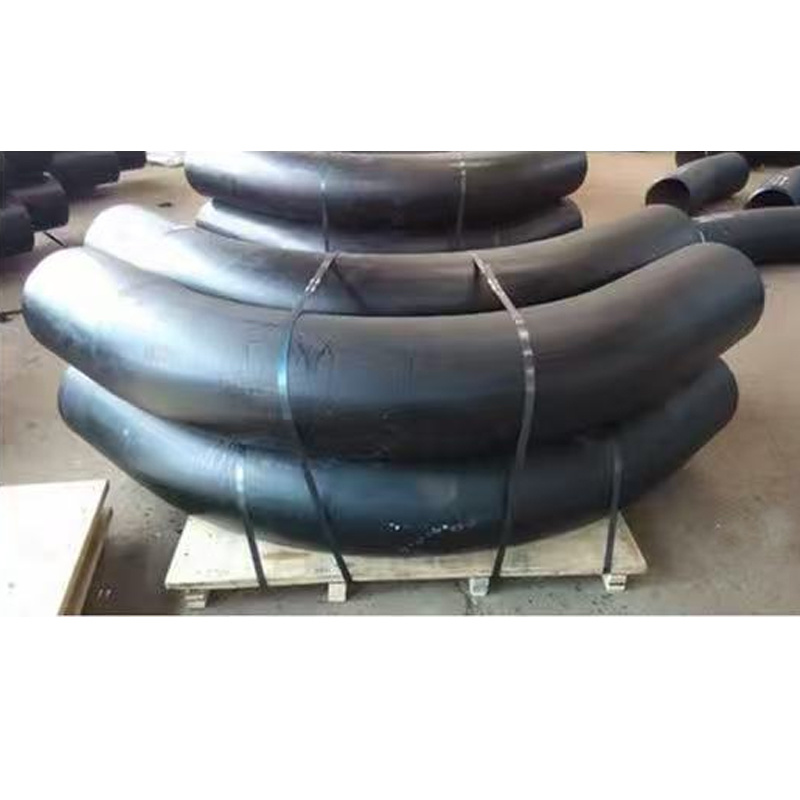
Understanding High-Pressure Plastic-Coated Bends in Industrial Piping Systems
High-pressure plastic-coated bends are critical components in industrial piping systems, especially in applications where durability and resistance to corrosion are paramount. These bends are specifically designed to manage the flow of fluids or gases under high-pressure conditions while maintaining optimal performance and reliability.
The primary function of high-pressure plastic-coated bends is
Sep 13,2026

How to Maintain High-Pressure Alloy Seamless Steel Pipes for Longevity
How to Maintain High-Pressure Alloy Seamless Steel Pipes for Longevity
Table of Contents
Understanding High-Pressure Alloy Seamless Steel Pipes
The Importance of Maintenance for High-Pressure Pipes
Common Challenges in Maintaining High-Pressure Pipes
Best Practices for Maintaining High-Pressure Alloy Seamless Steel Pipes
Regular Inspections and Assessments
Sep 09,2026
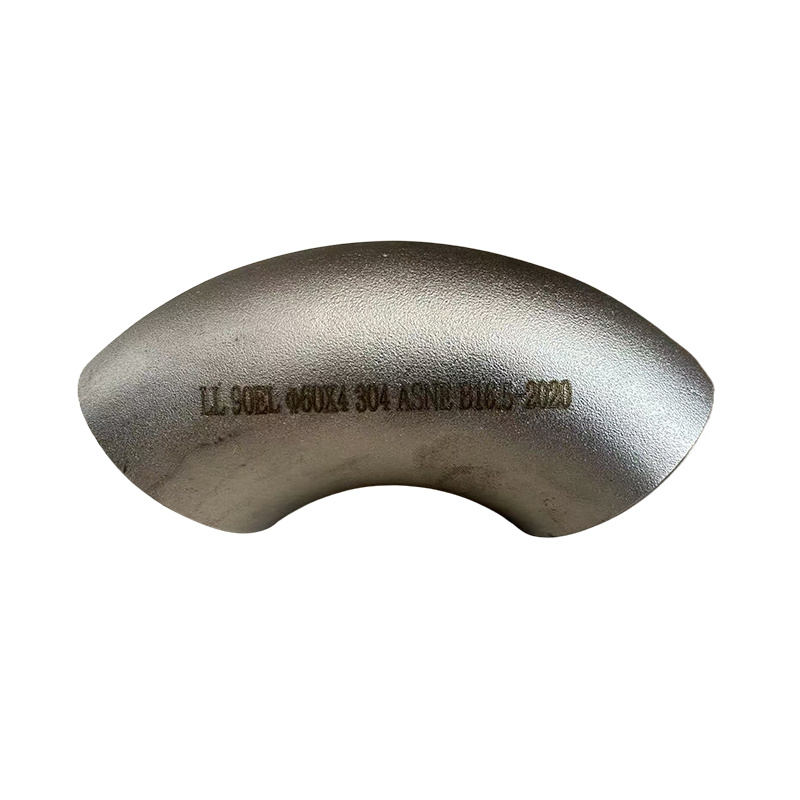
Understanding High-Pressure Alloy Bends: Essential Components for Industrial Piping Systems
High-pressure alloy bends are critical components in the design and operation of industrial piping systems. These bends facilitate the efficient transport of fluids and gases under high-pressure conditions, making them indispensable in various applications, including oil and gas, chemical processing, and power generation.
One of the primary advantages of high-pressure alloy bends is their ability
Sep 05,2026

Service E-mail
Tel
Tel
Address
Room 715, Block A, Qinglin Building, Chentangzhuang, Hexi District, Tianjin
Ask For A Quick Quote
We will contact you within one working day. Please pay attention to your email.