

Understanding High-Pressure Alloy Bends: Essential Insights for Industrial Applications
Dec 16,2025
High-pressure alloy bends are critical components in various industrial applications, particularly in piping systems that require the efficient transportation of fluids and gases under extreme conditions. These bends are designed to withstand high pressures and temperatures, making them indispensable in industries such as oil and gas, chemical processing, and power generation.
One of the primary a
High-pressure alloy bends are critical components in various industrial applications, particularly in piping systems that require the efficient transportation of fluids and gases under extreme conditions. These bends are designed to withstand high pressures and temperatures, making them indispensable in industries such as oil and gas, chemical processing, and power generation.
One of the primary advantages of high-pressure alloy bends is their ability to maintain structural integrity under challenging conditions. The alloys used in their manufacturing are selected for their strength, durability, and resistance to corrosion. This means that high-pressure alloy bends can endure the stresses associated with high-pressure environments, reducing the risk of leaks and failures, which can have catastrophic consequences in industrial settings.
Moreover, the precision engineering involved in producing these bends ensures that they can be seamlessly integrated into existing piping systems. The customizability of high-pressure alloy bends allows engineers to specify dimensions and angles that meet the unique requirements of their operations. This is crucial for optimizing fluid flow, minimizing pressure drops, and enhancing overall system efficiency.
In addition to their mechanical properties, high-pressure alloy bends are often characterized by their versatility. They can be utilized in various configurations, from simple bends to complex piping networks. This adaptability makes them suitable for a wide range of applications, including steam and water transport, chemical transfer, and gas distribution.
When considering the installation of high-pressure alloy bends, it is essential to adhere to best practices to ensure longevity and safety. Proper welding techniques are crucial, as the integrity of the joints can significantly influence the performance of the entire piping system. Additionally, regular inspections and maintenance can help detect potential issues before they escalate, thereby prolonging the lifespan of the bends and the system as a whole.
In summary, high-pressure alloy bends play a vital role in the reliability and efficiency of industrial piping systems. Their robust construction, adaptability, and resistance to harsh environments make them a top choice for industries that cannot afford downtime or failures. By understanding the benefits and importance of these components, professionals can make informed decisions that contribute to the success of their operations. Whether it’s optimizing flow rates or ensuring safety, the role of high-pressure alloy bends cannot be overstated in the realm of industrial equipment and components.
One of the primary advantages of high-pressure alloy bends is their ability to maintain structural integrity under challenging conditions. The alloys used in their manufacturing are selected for their strength, durability, and resistance to corrosion. This means that high-pressure alloy bends can endure the stresses associated with high-pressure environments, reducing the risk of leaks and failures, which can have catastrophic consequences in industrial settings.
Moreover, the precision engineering involved in producing these bends ensures that they can be seamlessly integrated into existing piping systems. The customizability of high-pressure alloy bends allows engineers to specify dimensions and angles that meet the unique requirements of their operations. This is crucial for optimizing fluid flow, minimizing pressure drops, and enhancing overall system efficiency.
In addition to their mechanical properties, high-pressure alloy bends are often characterized by their versatility. They can be utilized in various configurations, from simple bends to complex piping networks. This adaptability makes them suitable for a wide range of applications, including steam and water transport, chemical transfer, and gas distribution.
When considering the installation of high-pressure alloy bends, it is essential to adhere to best practices to ensure longevity and safety. Proper welding techniques are crucial, as the integrity of the joints can significantly influence the performance of the entire piping system. Additionally, regular inspections and maintenance can help detect potential issues before they escalate, thereby prolonging the lifespan of the bends and the system as a whole.
In summary, high-pressure alloy bends play a vital role in the reliability and efficiency of industrial piping systems. Their robust construction, adaptability, and resistance to harsh environments make them a top choice for industries that cannot afford downtime or failures. By understanding the benefits and importance of these components, professionals can make informed decisions that contribute to the success of their operations. Whether it’s optimizing flow rates or ensuring safety, the role of high-pressure alloy bends cannot be overstated in the realm of industrial equipment and components.
Key words:
RELATED INFORMATION
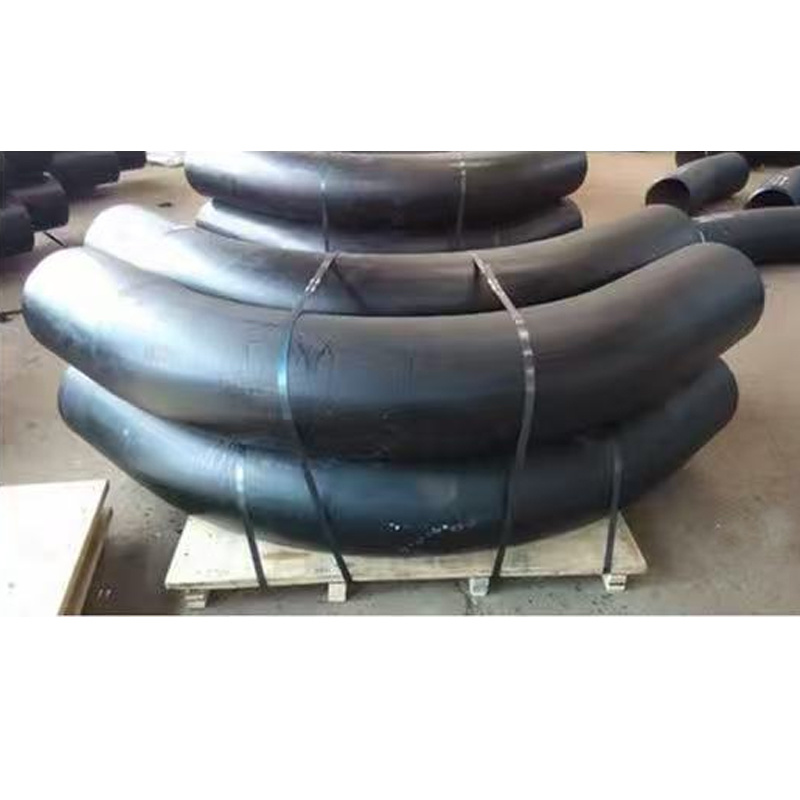
Understanding High-Pressure Plastic-Coated Bends in Industrial Piping Systems
High-pressure plastic-coated bends are critical components in industrial piping systems, especially in applications where durability and resistance to corrosion are paramount. These bends are specifically designed to manage the flow of fluids or gases under high-pressure conditions while maintaining optimal performance and reliability.
The primary function of high-pressure plastic-coated bends is
Sep 13,2026

How to Maintain High-Pressure Alloy Seamless Steel Pipes for Longevity
How to Maintain High-Pressure Alloy Seamless Steel Pipes for Longevity
Table of Contents
Understanding High-Pressure Alloy Seamless Steel Pipes
The Importance of Maintenance for High-Pressure Pipes
Common Challenges in Maintaining High-Pressure Pipes
Best Practices for Maintaining High-Pressure Alloy Seamless Steel Pipes
Regular Inspections and Assessments
Sep 09,2026
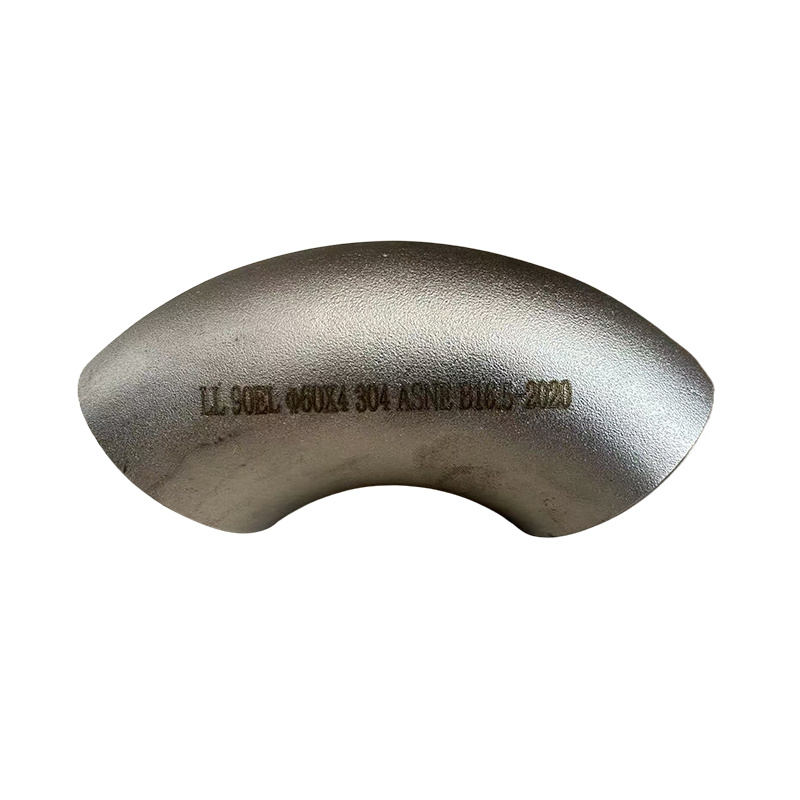
Understanding High-Pressure Alloy Bends: Essential Components for Industrial Piping Systems
High-pressure alloy bends are critical components in the design and operation of industrial piping systems. These bends facilitate the efficient transport of fluids and gases under high-pressure conditions, making them indispensable in various applications, including oil and gas, chemical processing, and power generation.
One of the primary advantages of high-pressure alloy bends is their ability
Sep 05,2026

Service E-mail
Tel
Tel
Address
Room 715, Block A, Qinglin Building, Chentangzhuang, Hexi District, Tianjin
Ask For A Quick Quote
We will contact you within one working day. Please pay attention to your email.