

Understanding the Manufacturing Process of High-Pressure Alloy Seamless Steel Pipes
Dec 17,2025
Understanding the Manufacturing Process of High-Pressure Alloy Seamless Steel Pipes
Table of Contents
1. Introduction to High-Pressure Alloy Seamless Steel Pipes
2. What Are High-Pressure Alloy Seamless Steel Pipes?
3. Importance of High-Pressure Alloy Seamless Steel Pipes in Industry
4. Raw Materials Used in Manufacturing
5. Manufacturing Process Overview
Understanding the Manufacturing Process of High-Pressure Alloy Seamless Steel Pipes
Table of Contents
- 1. Introduction to High-Pressure Alloy Seamless Steel Pipes
- 2. What Are High-Pressure Alloy Seamless Steel Pipes?
- 3. Importance of High-Pressure Alloy Seamless Steel Pipes in Industry
- 4. Raw Materials Used in Manufacturing
- 5. Manufacturing Process Overview
- 6. Quality Control Measures
- 7. Applications of High-Pressure Alloy Seamless Steel Pipes
- 8. Future Trends in Manufacturing High-Pressure Pipes
- 9. Conclusion
- 10. Frequently Asked Questions
1. Introduction to High-Pressure Alloy Seamless Steel Pipes
The manufacturing process of **high-pressure alloy seamless steel pipes** is a complex interplay of engineering, material science, and manufacturing techniques. These pipes are critical components in various industrial applications, designed to withstand extreme pressures while maintaining structural integrity. Understanding the manufacturing process is essential for industries that rely on these high-performance materials, such as oil and gas, power generation, and chemical processing.
2. What Are High-Pressure Alloy Seamless Steel Pipes?
**High-pressure alloy seamless steel pipes** are cylindrical tubes made from specialized steel alloys designed for high-pressure applications. Unlike welded pipes, seamless pipes are formed from a solid round billet, eliminating the risk of weld defects. This unique manufacturing method provides superior strength and durability, making them ideal for transporting fluids and gases under extreme conditions.
3. Importance of High-Pressure Alloy Seamless Steel Pipes in Industry
The significance of **high-pressure alloy seamless steel pipes** in modern industry cannot be overstated. These pipes offer several advantages, including:
- **Enhanced Strength**: With their seamless construction, they provide consistent strength along the entire length.
- **Resistance to Corrosion**: Alloy compositions are tailored to resist rust and degradation, extending service life.
- **High-Temperature Performance**: Capable of withstanding elevated temperatures, suitable for various industrial applications.
- **Versatility**: Used in a wide range of applications from chemical plants to oil refineries, they are crucial for safe and efficient operations.
4. Raw Materials Used in Manufacturing
The quality of **high-pressure alloy seamless steel pipes** largely depends on the raw materials used. Key components include:
- **Steel Alloys**: Common materials include carbon steel, stainless steel, and other alloyed metals that enhance performance characteristics.
- **Chemical Additives**: Elements such as nickel, chromium, and molybdenum are added to improve mechanical properties and corrosion resistance.
- **Quality Control Standards**: Sourcing materials from trusted suppliers ensures compliance with industry standards.
5. Manufacturing Process Overview
The manufacturing of **high-pressure alloy seamless steel pipes** involves several critical steps, each designed to ensure the final product meets rigorous specifications.
5.1 Hot Piercing
The process begins with **hot piercing**, where a solid steel billet is heated to a high temperature and then pierced to create a hollow tube. This process is essential for forming the initial shape of the pipe while ensuring uniformity in thickness.
5.2 Heat Treatment
After piercing, the tube undergoes **heat treatment** to refine its microstructure. This process enhances strength and ductility, preparing the material for subsequent deformation processes.
5.3 Cold Drawing
**Cold drawing** is a vital step where the pipe is drawn through a series of dies to achieve the desired dimensions and surface finish. This process increases hardness and further improves dimensional accuracy.
5.4 Finishing Process
The final stage includes various **finishing processes**, such as:
- **Surface Treatment**: Techniques like pickling or shot blasting are used to remove impurities.
- **Cutting and Beveling**: Pipes are cut to required lengths and beveled for easy welding in field applications.
- **Final Inspection**: Thorough inspection ensures each pipe meets the specified standards.
6. Quality Control Measures
Quality control is paramount in the manufacturing process of **high-pressure alloy seamless steel pipes**. Several measures are in place to ensure that each pipe meets stringent quality standards:
- **Non-Destructive Testing (NDT)**: Techniques such as ultrasonic and radiographic testing detect internal defects without damaging the pipe.
- **Hydrostatic Testing**: Pipes are subjected to high-pressure water tests to confirm their ability to withstand operational pressures.
- **Material Certification**: Each batch of pipes is accompanied by material certificates to verify compliance with specifications.
7. Applications of High-Pressure Alloy Seamless Steel Pipes
**High-pressure alloy seamless steel pipes** find extensive use across various industries. Key applications include:
- **Oil and Gas Industry**: Essential for transporting crude oil and natural gas.
- **Power Generation**: Utilized in steam and gas turbines for energy production.
- **Chemical Processing**: Used in reactors and pipelines where corrosive substances are handled.
- **Shipbuilding**: Integral in constructing vessels that require high strength and corrosion resistance.
8. Future Trends in Manufacturing High-Pressure Pipes
The future of manufacturing **high-pressure alloy seamless steel pipes** is poised for innovation. Emerging trends include:
- **Advanced Manufacturing Technologies**: Integration of automation and artificial intelligence for improved efficiency and reduced costs.
- **Sustainable Practices**: Increased focus on eco-friendly materials and processes to minimize environmental impact.
- **Research and Development**: Ongoing efforts to develop new alloys that enhance performance and reduce weight.
9. Conclusion
The manufacturing process of **high-pressure alloy seamless steel pipes** is a testament to engineering excellence and precision. By understanding each stage of production, from raw material selection to the final inspection, industries can appreciate the complexity and importance of these pipes in their operations. As technology advances, we can expect even greater improvements in the performance and sustainability of these essential components.
10. Frequently Asked Questions
1. What are the advantages of seamless pipes over welded pipes?
Seamless pipes offer superior strength, uniformity, and resistance to high pressures compared to their welded counterparts.
2. How do I choose the right alloy for my application?
Consider factors like temperature, pressure, and the type of fluids being transported to select an appropriate alloy.
3. What is the typical lifespan of high-pressure alloy seamless steel pipes?
With proper maintenance, these pipes can last several decades, depending on the application and environmental conditions.
4. How is the quality of seamless steel pipes ensured during manufacturing?
Quality control measures such as non-destructive testing and hydrostatic testing are employed to verify the integrity of each pipe.
5. Are there any environmental concerns with the production of seamless steel pipes?
Manufacturers are increasingly adopting sustainable practices to reduce environmental impact in the production process.
Key words:
RELATED INFORMATION
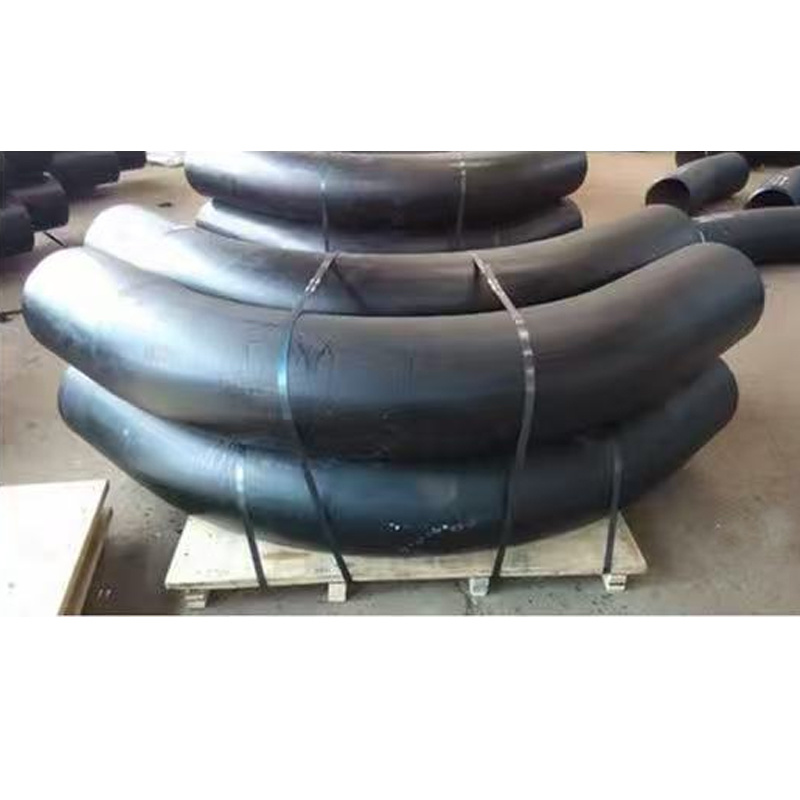
Understanding High-Pressure Plastic-Coated Bends in Industrial Piping Systems
High-pressure plastic-coated bends are critical components in industrial piping systems, especially in applications where durability and resistance to corrosion are paramount. These bends are specifically designed to manage the flow of fluids or gases under high-pressure conditions while maintaining optimal performance and reliability.
The primary function of high-pressure plastic-coated bends is
Sep 13,2026

How to Maintain High-Pressure Alloy Seamless Steel Pipes for Longevity
How to Maintain High-Pressure Alloy Seamless Steel Pipes for Longevity
Table of Contents
Understanding High-Pressure Alloy Seamless Steel Pipes
The Importance of Maintenance for High-Pressure Pipes
Common Challenges in Maintaining High-Pressure Pipes
Best Practices for Maintaining High-Pressure Alloy Seamless Steel Pipes
Regular Inspections and Assessments
Sep 09,2026
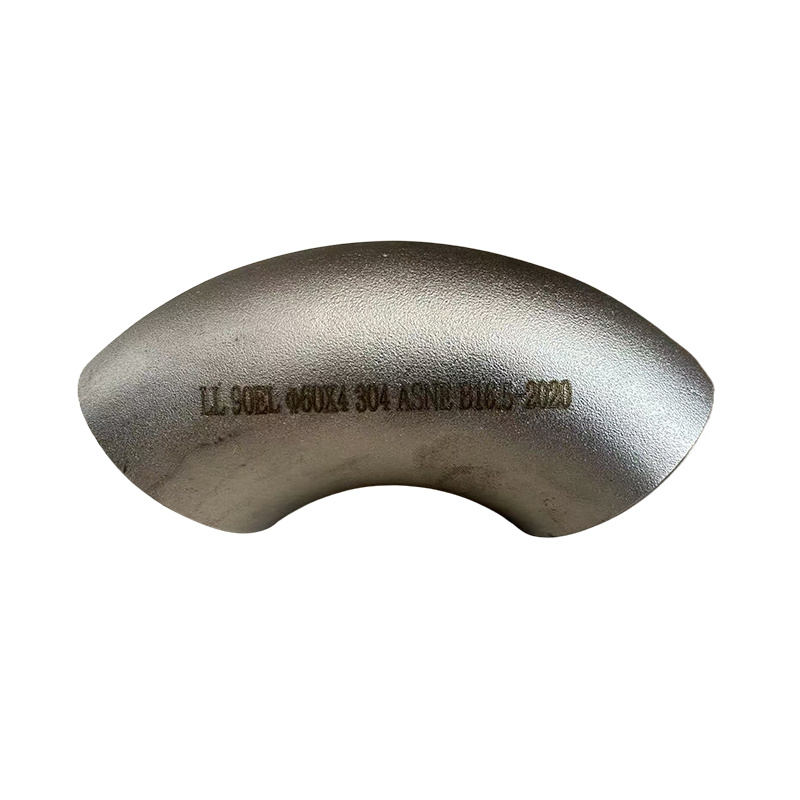
Understanding High-Pressure Alloy Bends: Essential Components for Industrial Piping Systems
High-pressure alloy bends are critical components in the design and operation of industrial piping systems. These bends facilitate the efficient transport of fluids and gases under high-pressure conditions, making them indispensable in various applications, including oil and gas, chemical processing, and power generation.
One of the primary advantages of high-pressure alloy bends is their ability
Sep 05,2026

Service E-mail
Tel
Tel
Address
Room 715, Block A, Qinglin Building, Chentangzhuang, Hexi District, Tianjin
Ask For A Quick Quote
We will contact you within one working day. Please pay attention to your email.