

Adapting to Change: High-Pressure Petroleum Pipelines in a Green Economy
Dec 29,2025
Adapting to Change: High-Pressure Petroleum Pipelines in a Green Economy
Table of Contents
Understanding High-Pressure Petroleum Pipelines
The Role of Pipelines in the Modern Energy Landscape
Environmental Concerns Surrounding Pipeline Infrastructure
Innovations in High-Pressure Pipeline Technology
Regulatory Challenges and Compliance in a Green Economy
Sustainable Alternatives and Fu
Adapting to Change: High-Pressure Petroleum Pipelines in a Green Economy
Table of Contents
- Understanding High-Pressure Petroleum Pipelines
- The Role of Pipelines in the Modern Energy Landscape
- Environmental Concerns Surrounding Pipeline Infrastructure
- Innovations in High-Pressure Pipeline Technology
- Regulatory Challenges and Compliance in a Green Economy
- Sustainable Alternatives and Future Directions
- Case Studies: Success Stories in Pipeline Adaptation
- Frequently Asked Questions (FAQs)
- Conclusion
Understanding High-Pressure Petroleum Pipelines
High-pressure petroleum pipelines are engineering marvels designed to transport crude oil and other petroleum products over vast distances. These pipelines operate under high pressure to ensure efficient transportation while minimizing leaks and other potential hazards. Their design encompasses advanced materials and methods that enhance durability and resistance to environmental conditions. Recognizing the complexities and requirements for handling such materials is crucial for a sustainable energy future.
The Engineering Behind High-Pressure Pipelines
The construction and operation of high-pressure pipelines require precise engineering. Materials such as high-strength steel and composite materials are often utilized for their ability to withstand extreme conditions. Engineers meticulously design these pipelines, incorporating features such as external coatings to prevent corrosion and advanced monitoring systems to ensure integrity.
The Role of Pipelines in the Modern Energy Landscape
High-pressure pipelines play a pivotal role in the distribution of energy resources, serving as the backbone of the petroleum supply chain. They effectively connect production facilities with refineries and distribution points, making them indispensable for energy security.
Economic Impact of Pipeline Infrastructure
The economic implications of maintaining and developing pipeline infrastructure are significant. Pipelines facilitate job creation, stimulate local economies, and contribute to national energy independence. As nations strive for economic growth, the importance of optimizing pipeline operations becomes increasingly evident.
Environmental Concerns Surrounding Pipeline Infrastructure
While high-pressure pipelines are crucial for energy distribution, they are not without environmental risks. Concerns regarding oil spills, leaks, and habitat destruction have become focal points in discussions about pipeline infrastructure.
Assessing Environmental Risks
To mitigate risks, companies are adopting more rigorous safety standards and environmental assessments. Regular inspections and advanced leak detection technologies are essential to ensuring that pipelines operate within safe parameters. The integration of environmental considerations into pipeline management is now a standard practice aimed at protecting ecosystems.
Community Engagement and Environmental Stewardship
Engaging with local communities and stakeholders is vital for fostering trust and understanding. Transparent communication regarding environmental practices, potential risks, and safety measures can help build strong community relationships and enhance corporate responsibility.
Innovations in High-Pressure Pipeline Technology
The industry is witnessing rapid advancements in pipeline technology, driven by the need for efficiency, safety, and sustainability. Innovations ranging from smart sensors to automation are transforming how pipelines are monitored and maintained.
Smart Pipeline Monitoring Systems
The integration of IoT (Internet of Things) devices enables real-time monitoring of pipeline conditions. These smart systems can detect changes in pressure, temperature, and flow rates, allowing for proactive maintenance and immediate response to potential issues.
Advanced Materials and Construction Techniques
Researchers are exploring new materials that offer enhanced durability and resistance to environmental factors. Innovations such as self-healing materials are being tested to improve the longevity of pipelines, further minimizing the risk of leaks and failures.
Regulatory Challenges and Compliance in a Green Economy
Navigating the regulatory landscape is essential for companies operating high-pressure pipelines. Compliance with environmental regulations and safety standards is critical not only for legal operation but also for maintaining public trust.
Understanding Regulatory Frameworks
Different regions have varying regulations governing pipeline operations. Understanding these frameworks is crucial for compliance. Companies must stay informed about changes in legislation and adapt their practices accordingly.
Best Practices for Compliance
Implementing best practices for regulatory compliance involves regular training, internal audits, and collaboration with regulatory bodies. Establishing a culture of safety and compliance within an organization can greatly enhance operational integrity.
Sustainable Alternatives and Future Directions
As the world shifts towards greener energy solutions, the petroleum industry faces the challenge of adapting existing infrastructure. Exploring sustainable alternatives and integrating renewable energy sources is essential for future growth.
Exploring Biofuels and Renewable Energy
The development of biofuels and other renewable energy sources presents new opportunities for the petroleum sector. High-pressure pipelines can be adapted to transport biofuels, thereby reducing dependence on fossil fuels.
Carbon Capture and Storage Technologies
Investing in carbon capture and storage (CCS) technologies can play a significant role in reducing the environmental impact of high-pressure pipelines. By capturing emissions before they enter the atmosphere, the industry can contribute to climate change mitigation efforts.
Case Studies: Success Stories in Pipeline Adaptation
Examining successful adaptations of high-pressure pipelines provides valuable insights into effective strategies. Several companies have successfully integrated sustainable practices into their operations.
Innovative Projects Leading the Way
Highlighting projects that have effectively utilized advanced technologies and sustainable practices can serve as models for others in the industry. These case studies showcase the potential for innovation within the sector.
Frequently Asked Questions (FAQs)
1. What are high-pressure petroleum pipelines used for?
High-pressure petroleum pipelines are used to transport crude oil and refined petroleum products from production sites to refineries and distribution centers, ensuring efficient energy distribution.
2. How are environmental risks managed in pipeline operations?
Environmental risks are managed through regular inspections, advanced monitoring systems, and adherence to strict safety standards. Companies also engage with local communities to promote transparency and trust.
3. What innovations are transforming pipeline technology?
Innovations such as IoT-enabled monitoring systems, advanced materials, and self-healing technologies are transforming pipeline operations, enhancing safety, and improving efficiency.
4. How does regulatory compliance impact pipeline operations?
Regulatory compliance is crucial for legal operation and public trust. Companies must adhere to local and national regulations, implementing best practices to ensure safety and environmental protection.
5. What role do sustainable alternatives play in the future of pipelines?
Sustainable alternatives, like biofuels and carbon capture technologies, provide pathways for the petroleum industry to reduce its environmental impact while adapting to a greener energy landscape.
Conclusion
The transition toward a green economy presents both challenges and opportunities for high-pressure petroleum pipelines. By embracing innovations, adhering to regulatory standards, and integrating sustainable practices, the industry can adapt to the changing landscape while ensuring a reliable energy supply. The future of high-pressure pipelines lies in their ability to evolve, balancing economic needs with environmental stewardship, ultimately contributing to a more sustainable energy future.
Key words:
RELATED INFORMATION
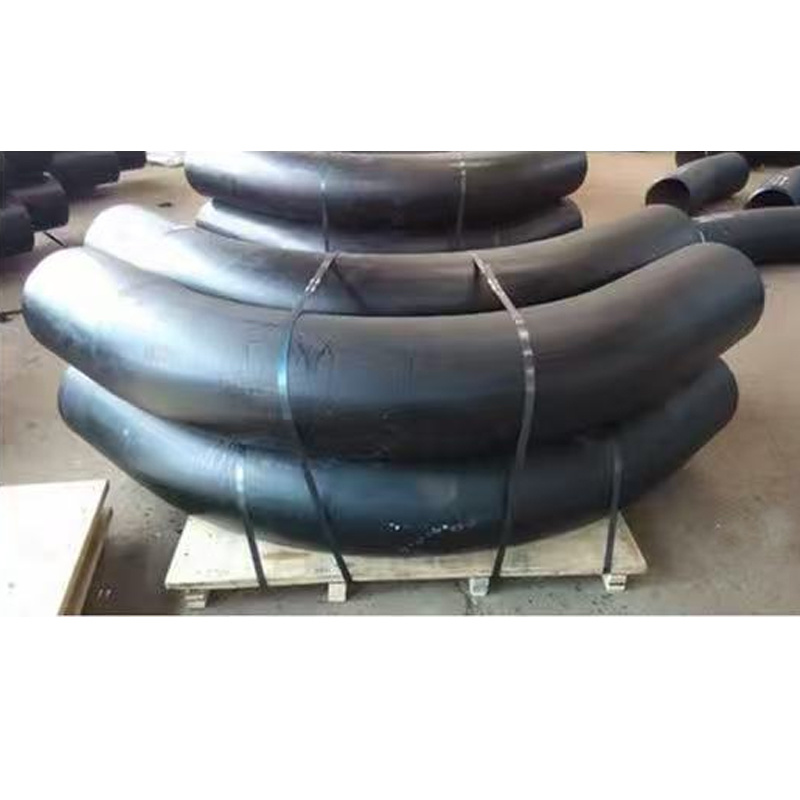
Understanding High-Pressure Plastic-Coated Bends in Industrial Piping Systems
High-pressure plastic-coated bends are critical components in industrial piping systems, especially in applications where durability and resistance to corrosion are paramount. These bends are specifically designed to manage the flow of fluids or gases under high-pressure conditions while maintaining optimal performance and reliability.
The primary function of high-pressure plastic-coated bends is
Sep 13,2026

How to Maintain High-Pressure Alloy Seamless Steel Pipes for Longevity
How to Maintain High-Pressure Alloy Seamless Steel Pipes for Longevity
Table of Contents
Understanding High-Pressure Alloy Seamless Steel Pipes
The Importance of Maintenance for High-Pressure Pipes
Common Challenges in Maintaining High-Pressure Pipes
Best Practices for Maintaining High-Pressure Alloy Seamless Steel Pipes
Regular Inspections and Assessments
Sep 09,2026
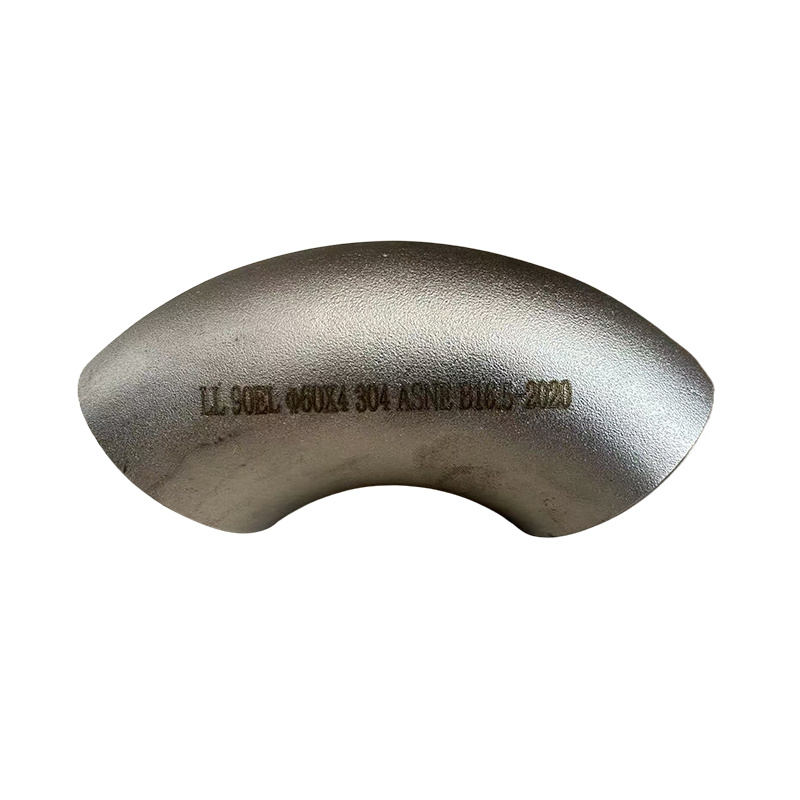
Understanding High-Pressure Alloy Bends: Essential Components for Industrial Piping Systems
High-pressure alloy bends are critical components in the design and operation of industrial piping systems. These bends facilitate the efficient transport of fluids and gases under high-pressure conditions, making them indispensable in various applications, including oil and gas, chemical processing, and power generation.
One of the primary advantages of high-pressure alloy bends is their ability
Sep 05,2026

Service E-mail
Tel
Tel
Address
Room 715, Block A, Qinglin Building, Chentangzhuang, Hexi District, Tianjin
Ask For A Quick Quote
We will contact you within one working day. Please pay attention to your email.