

Understanding High-Pressure Alloy Bends: Essential Insights for Industrial Applications
Dec 30,2025
High-pressure alloy bends are specifically designed components used in piping systems that operate under extreme pressure conditions. These bends are crafted from high-strength alloys, which are essential for withstanding the intense stresses and strains that occur in high-pressure environments. Understanding the properties and applications of these components is vital for professionals involved i
High-pressure alloy bends are specifically designed components used in piping systems that operate under extreme pressure conditions. These bends are crafted from high-strength alloys, which are essential for withstanding the intense stresses and strains that occur in high-pressure environments. Understanding the properties and applications of these components is vital for professionals involved in the design, installation, and maintenance of industrial piping systems.
One of the primary benefits of high-pressure alloy bends is their ability to maintain structural integrity under high-stress conditions. The alloys used in their construction, such as stainless steel, inconel, or other nickel-based alloys, provide exceptional resistance to deformation and failure. This is particularly advantageous in applications where performance and reliability are non-negotiable, such as in oil and gas, chemical processing, and power generation industries.
Another significant advantage is their corrosion resistance. High-pressure environments often expose piping systems to harsh chemicals and environmental factors that can lead to corrosion over time. High-pressure alloy bends are engineered to resist such corrosive elements, thereby extending the lifespan of the piping system and reducing the need for frequent replacements or repairs. This durability not only enhances safety but also contributes to operational efficiency and cost-effectiveness.
In terms of installation, high-pressure alloy bends are designed for ease of use. Their precision manufacturing ensures that they fit seamlessly into existing piping systems, allowing for efficient assembly and reducing downtime during installation. Additionally, these bends can be customized to meet specific project requirements regarding angles and dimensions, offering flexibility to engineers and project managers.
When selecting high-pressure alloy bends for a project, it is crucial to consider factors such as the specific application, the type of fluids being transported, and the operating conditions. Consulting with material scientists or engineers can provide further insights into the best alloys to use depending on the service conditions, ensuring optimal performance and safety.
In conclusion, high-pressure alloy bends are indispensable components in high-stress piping systems. Their exceptional strength, corrosion resistance, and ease of installation make them a preferred choice in numerous industrial applications. Professionals in the field should prioritize understanding these components' features and advantages to ensure that their piping systems operate efficiently and safely under demanding conditions.
One of the primary benefits of high-pressure alloy bends is their ability to maintain structural integrity under high-stress conditions. The alloys used in their construction, such as stainless steel, inconel, or other nickel-based alloys, provide exceptional resistance to deformation and failure. This is particularly advantageous in applications where performance and reliability are non-negotiable, such as in oil and gas, chemical processing, and power generation industries.
Another significant advantage is their corrosion resistance. High-pressure environments often expose piping systems to harsh chemicals and environmental factors that can lead to corrosion over time. High-pressure alloy bends are engineered to resist such corrosive elements, thereby extending the lifespan of the piping system and reducing the need for frequent replacements or repairs. This durability not only enhances safety but also contributes to operational efficiency and cost-effectiveness.
In terms of installation, high-pressure alloy bends are designed for ease of use. Their precision manufacturing ensures that they fit seamlessly into existing piping systems, allowing for efficient assembly and reducing downtime during installation. Additionally, these bends can be customized to meet specific project requirements regarding angles and dimensions, offering flexibility to engineers and project managers.
When selecting high-pressure alloy bends for a project, it is crucial to consider factors such as the specific application, the type of fluids being transported, and the operating conditions. Consulting with material scientists or engineers can provide further insights into the best alloys to use depending on the service conditions, ensuring optimal performance and safety.
In conclusion, high-pressure alloy bends are indispensable components in high-stress piping systems. Their exceptional strength, corrosion resistance, and ease of installation make them a preferred choice in numerous industrial applications. Professionals in the field should prioritize understanding these components' features and advantages to ensure that their piping systems operate efficiently and safely under demanding conditions.
Key words:
RELATED INFORMATION
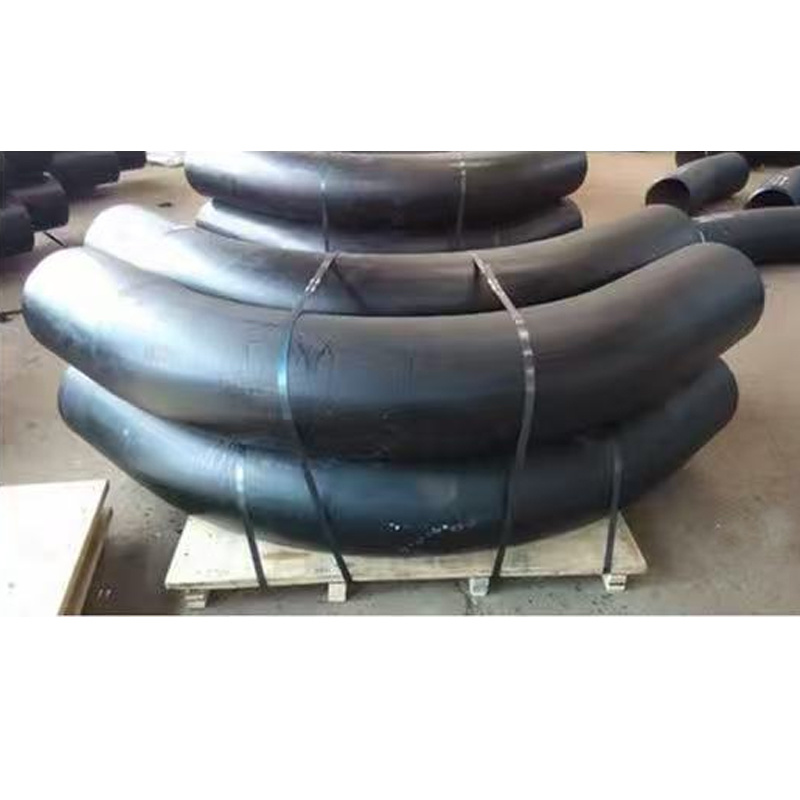
Understanding High-Pressure Plastic-Coated Bends in Industrial Piping Systems
High-pressure plastic-coated bends are critical components in industrial piping systems, especially in applications where durability and resistance to corrosion are paramount. These bends are specifically designed to manage the flow of fluids or gases under high-pressure conditions while maintaining optimal performance and reliability.
The primary function of high-pressure plastic-coated bends is
Sep 13,2026

How to Maintain High-Pressure Alloy Seamless Steel Pipes for Longevity
How to Maintain High-Pressure Alloy Seamless Steel Pipes for Longevity
Table of Contents
Understanding High-Pressure Alloy Seamless Steel Pipes
The Importance of Maintenance for High-Pressure Pipes
Common Challenges in Maintaining High-Pressure Pipes
Best Practices for Maintaining High-Pressure Alloy Seamless Steel Pipes
Regular Inspections and Assessments
Sep 09,2026
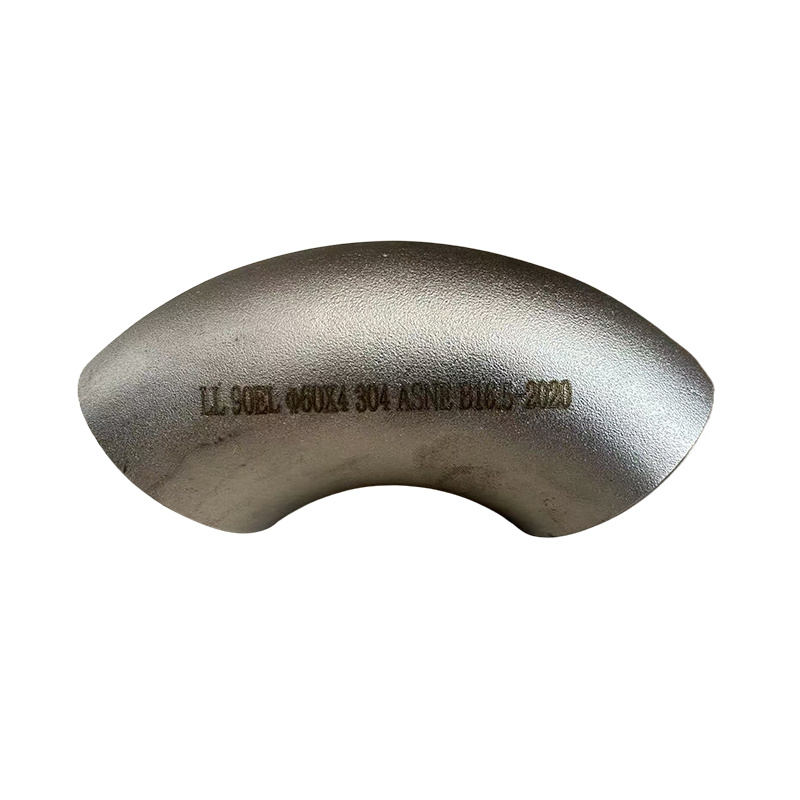
Understanding High-Pressure Alloy Bends: Essential Components for Industrial Piping Systems
High-pressure alloy bends are critical components in the design and operation of industrial piping systems. These bends facilitate the efficient transport of fluids and gases under high-pressure conditions, making them indispensable in various applications, including oil and gas, chemical processing, and power generation.
One of the primary advantages of high-pressure alloy bends is their ability
Sep 05,2026

Service E-mail
Tel
Tel
Address
Room 715, Block A, Qinglin Building, Chentangzhuang, Hexi District, Tianjin
Ask For A Quick Quote
We will contact you within one working day. Please pay attention to your email.