

High-Pressure Alloy Seamless Steel Pipe: A Durable and Versatile Solution for Industrial Applications
Dec 31,2025
High-Pressure Alloy Seamless Steel Pipe: A Durable Solution for Industrial Needs
Table of Contents
1. Introduction to High-Pressure Alloy Seamless Steel Pipes
2. Benefits of High-Pressure Alloy Seamless Steel Pipes
3. Applications of High-Pressure Alloy Seamless Steel Pipes
4. The Manufacturing Process of High-Pressure Alloy Seamless Steel Pipes
5. Material Properties of High-
High-Pressure Alloy Seamless Steel Pipe: A Durable Solution for Industrial Needs
Table of Contents
- 1. Introduction to High-Pressure Alloy Seamless Steel Pipes
- 2. Benefits of High-Pressure Alloy Seamless Steel Pipes
- 3. Applications of High-Pressure Alloy Seamless Steel Pipes
- 4. The Manufacturing Process of High-Pressure Alloy Seamless Steel Pipes
- 5. Material Properties of High-Pressure Alloy Steel
- 6. Maintenance and Care for High-Pressure Alloy Seamless Steel Pipes
- 7. Comparison with Other Pipe Types
- 8. Future Trends in High-Pressure Alloy Seamless Steel Pipe Production
- 9. Frequently Asked Questions
- 10. Conclusion
1. Introduction to High-Pressure Alloy Seamless Steel Pipes
In the demanding world of industrial applications, the need for **reliable and durable piping solutions** cannot be overstated. High-pressure alloy seamless steel pipes have emerged as a robust answer to the challenges faced in industries such as oil and gas, petrochemical, and power generation. These pipes are designed to withstand extreme conditions, including **high temperatures and corrosive environments**, making them an essential component of modern infrastructure.
Seamless steel pipes offer a continuous, uniform structure without any welded seams, ensuring superior strength and integrity. When combined with high-alloy materials, these pipes exhibit remarkable properties that cater to various industrial needs.
2. Benefits of High-Pressure Alloy Seamless Steel Pipes
High-pressure alloy seamless steel pipes bring numerous advantages, making them a preferred choice among engineers and manufacturers. Here are the critical benefits:
2.1 Exceptional Strength and Durability
High-pressure alloy seamless steel pipes are engineered to withstand significant stress and pressure. Their inherent strength allows them to handle extreme conditions without compromising performance.
2.2 Corrosion Resistance
The use of alloying elements such as nickel, chromium, and molybdenum enhances the corrosion resistance of these pipes. This characteristic is vital for applications in aggressive environments where traditional materials might fail.
2.3 High-Temperature Tolerance
These pipes are designed to maintain their mechanical properties even at elevated temperatures, making them suitable for high-temperature applications, such as in power plants and refineries.
2.4 Cost-Effectiveness
While the initial investment may be higher than that of traditional pipes, the **long-term durability** and reduced maintenance requirements of high-pressure alloy seamless steel pipes contribute to overall cost savings.
2.5 Versatility
High-pressure alloy seamless steel pipes can be used in various applications, from oil and gas transportation to chemical processing, showcasing their versatility across different industries.
3. Applications of High-Pressure Alloy Seamless Steel Pipes
High-pressure alloy seamless steel pipes find utility in numerous industrial applications. Here’s a closer look at some of the primary uses:
3.1 Oil and Gas Industry
The oil and gas sector relies heavily on high-pressure alloy seamless steel pipes for transporting crude oil, natural gas, and refined products. These pipes are essential for maintaining the integrity of pipelines under varying pressure conditions.
3.2 Chemical Processing
In chemical manufacturing, these pipes are utilized for transporting corrosive substances. Their resistance to chemical reactions ensures minimal degradation over time.
3.3 Power Generation
Power plants often use high-pressure alloy seamless steel pipes in steam and gas turbine applications, where high temperatures and pressures are prevalent.
3.4 Water and Wastewater Treatment
These pipes are also employed in water treatment facilities, offering durability and resistance to corrosion in environments exposed to various chemicals.
3.5 Aerospace and Defense
In aerospace applications, the lightweight yet strong properties of high-pressure alloy seamless steel pipes make them suitable for structural components and fuel lines, ensuring reliability in critical systems.
4. The Manufacturing Process of High-Pressure Alloy Seamless Steel Pipes
The production of high-pressure alloy seamless steel pipes involves several complex processes designed to ensure quality and performance.
4.1 Billet Preparation
The manufacturing process begins with the selection of high-quality steel billets. These billets are heated and then pierced to create a hollow tube.
4.2 Elongation and Rotating
The hollow tube is then elongated using a rotary piercing process, which helps produce the desired thickness and diameter. This step is crucial for ensuring uniformity.
4.4 Heat Treatment
Post formation, the pipes undergo heat treatment to enhance mechanical properties, relieve internal stresses, and improve overall durability.
4.5 Quality Control
Quality assurance tests are conducted to ensure the pipes meet industry standards. This includes dimensional checks, pressure testing, and inspection for defects.
5. Material Properties of High-Pressure Alloy Steel
Understanding the material properties of high-pressure alloy steel is essential for evaluating its suitability for specific applications.
5.1 Tensile Strength
The tensile strength of high-pressure alloy seamless steel pipes is significantly higher than that of standard carbon steels, allowing for greater load-bearing capacity.
5.2 Yield Strength
Yield strength is critical in determining how much stress a material can withstand before deforming. High-pressure alloy steels exhibit excellent yield strength, making them reliable under pressure.
5.3 Ductility
Ductility refers to a material's ability to deform without breaking. High-pressure alloy seamless steel pipes maintain good ductility, allowing them to adapt to stress without fracturing.
5.4 Hardness
The hardness of high-pressure alloy steel contributes to its wear resistance, a vital property for applications involving abrasive materials.
6. Maintenance and Care for High-Pressure Alloy Seamless Steel Pipes
While high-pressure alloy seamless steel pipes are designed for durability, proper maintenance is essential to maximize their lifespan.
6.1 Regular Inspections
Conduct routine inspections to identify any signs of wear, corrosion, or damage. Early detection can prevent catastrophic failures.
6.2 Cleaning
Ensure that pipes are free from debris and build-up that can affect their integrity. Regularly clean the exterior and interior surfaces as needed.
6.3 Corrosion Protection
Implement protective coatings or treatments to enhance corrosion resistance, especially when pipes are exposed to harsh environmental conditions.
6.4 Pressure Testing
Perform periodic pressure testing to ensure pipes can withstand operational conditions and identify any potential leaks.
7. Comparison with Other Pipe Types
When evaluating piping options, it’s crucial to compare high-pressure alloy seamless steel pipes with other materials.
7.1 Seamless vs. Welded Pipes
Seamless pipes offer superior strength and reliability compared to welded pipes, which may have weaknesses at the joints where welding occurs.
7.2 Alloy Steel vs. Carbon Steel
While carbon steel pipes are more cost-effective, they lack the corrosion resistance and high-temperature tolerance of alloy steel.
7.3 High-Pressure Alloy Steel vs. Plastic Pipes
Plastic pipes may be lighter and easier to install, but they cannot match the temperature and pressure tolerances of high-pressure alloy seamless steel pipes.
8. Future Trends in High-Pressure Alloy Seamless Steel Pipe Production
As industries evolve, so do the manufacturing practices and materials used for high-pressure alloy seamless steel pipes.
8.1 Advancements in Manufacturing Technology
Innovations such as automated production lines and advanced welding techniques are expected to enhance the efficiency and quality of pipe production.
8.2 Sustainable Materials
With a growing focus on sustainability, the industry is likely to explore eco-friendly materials and processes, reducing the environmental impact of pipe manufacturing.
8.3 Smart Piping Solutions
The integration of IoT technology into piping systems offers the potential for real-time monitoring, predictive maintenance, and improved operational efficiency.
9. Frequently Asked Questions
9.1 What is a high-pressure alloy seamless steel pipe?
High-pressure alloy seamless steel pipes are tubes made from alloyed steel, designed to withstand high pressure and temperature without compromising structural integrity.
9.2 What industries commonly use these pipes?
These pipes are widely used in the oil and gas, chemical processing, power generation, and aerospace industries.
9.3 What are the advantages of using seamless pipes over welded pipes?
Seamless pipes provide superior strength, reliability, and resistance to leaks, making them ideal for high-pressure applications.
9.4 How can I maintain high-pressure alloy seamless steel pipes?
Regular inspections, cleaning, and corrosion protection measures are essential for maintaining the integrity and longevity of these pipes.
9.5 Are high-pressure alloy seamless steel pipes cost-effective?
While they may have a higher upfront cost, their durability and reduced maintenance requirements often result in long-term cost savings.
10. Conclusion
High-pressure alloy seamless steel pipes stand out as a robust and reliable solution for various industrial needs. Their exceptional properties, including strength, corrosion resistance, and high-temperature tolerance, make them indispensable across multiple industries. As the demand for durable and efficient piping solutions continues to grow, embracing advancements in manufacturing and material technology will be crucial for ensuring optimal performance. By understanding the benefits, applications, and maintenance of these pipes, industries can harness their capabilities to meet the challenges of modern engineering and infrastructure.
Key words:
RELATED INFORMATION
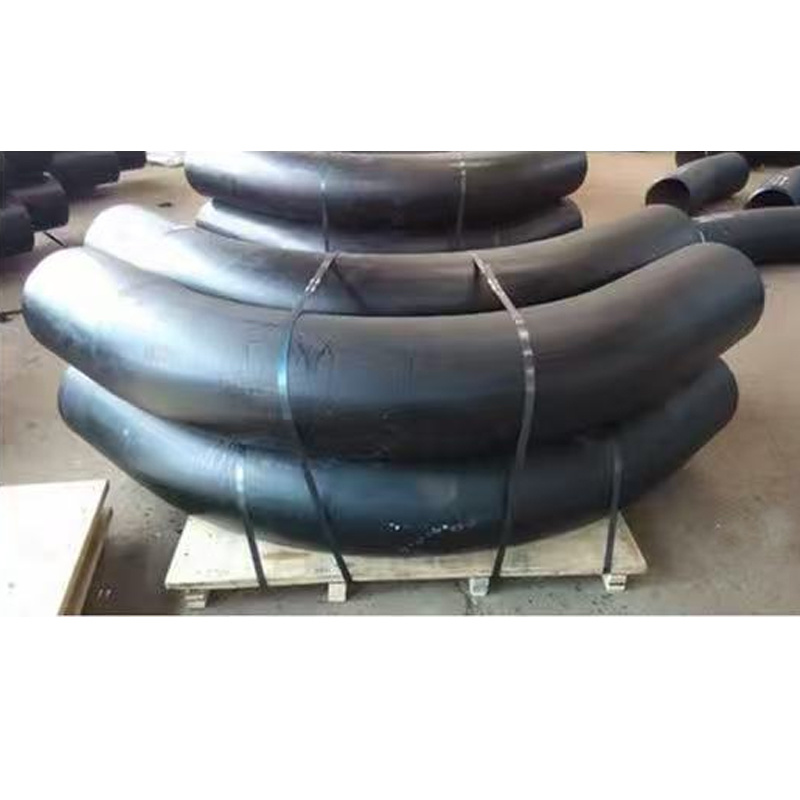
Understanding High-Pressure Plastic-Coated Bends in Industrial Piping Systems
High-pressure plastic-coated bends are critical components in industrial piping systems, especially in applications where durability and resistance to corrosion are paramount. These bends are specifically designed to manage the flow of fluids or gases under high-pressure conditions while maintaining optimal performance and reliability.
The primary function of high-pressure plastic-coated bends is
Sep 13,2026

How to Maintain High-Pressure Alloy Seamless Steel Pipes for Longevity
How to Maintain High-Pressure Alloy Seamless Steel Pipes for Longevity
Table of Contents
Understanding High-Pressure Alloy Seamless Steel Pipes
The Importance of Maintenance for High-Pressure Pipes
Common Challenges in Maintaining High-Pressure Pipes
Best Practices for Maintaining High-Pressure Alloy Seamless Steel Pipes
Regular Inspections and Assessments
Sep 09,2026
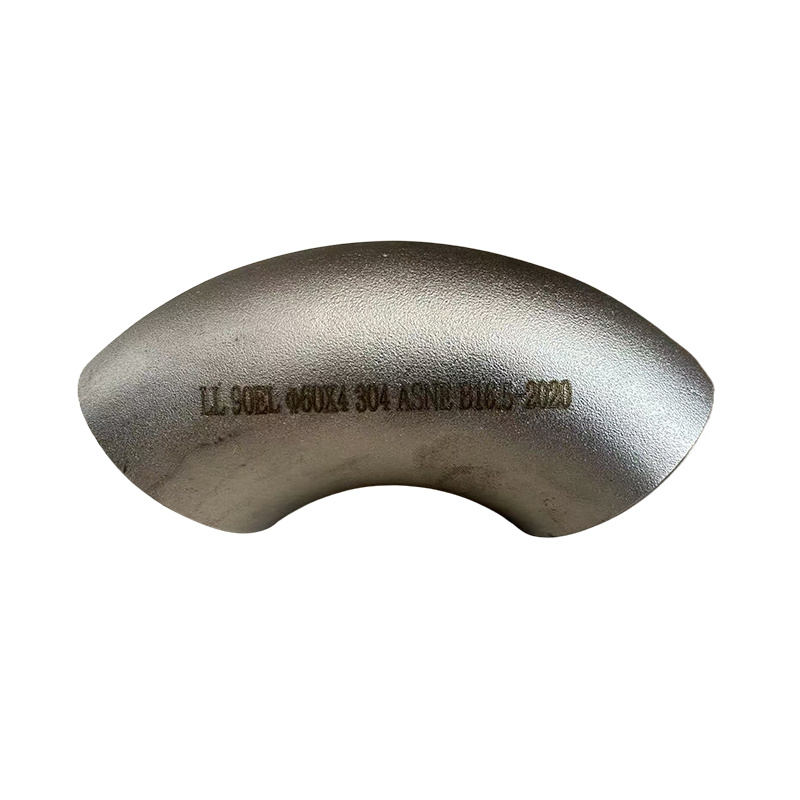
Understanding High-Pressure Alloy Bends: Essential Components for Industrial Piping Systems
High-pressure alloy bends are critical components in the design and operation of industrial piping systems. These bends facilitate the efficient transport of fluids and gases under high-pressure conditions, making them indispensable in various applications, including oil and gas, chemical processing, and power generation.
One of the primary advantages of high-pressure alloy bends is their ability
Sep 05,2026

Service E-mail
Tel
Tel
Address
Room 715, Block A, Qinglin Building, Chentangzhuang, Hexi District, Tianjin
Ask For A Quick Quote
We will contact you within one working day. Please pay attention to your email.