

A Comprehensive Guide to High-Pressure Stainless Steel Seamless Pipes in Building Projects
Jan 02,2026
A Comprehensive Guide to High-Pressure Stainless Steel Seamless Pipes in Building Projects
Table of Contents
1. Introduction to High-Pressure Stainless Steel Seamless Pipes
2. What Are High-Pressure Stainless Steel Seamless Pipes?
3. Advantages of Using High-Pressure Stainless Steel Seamless Pipes
4. Key Applications in Building Projects
5. Specifications and Standards
6.
A Comprehensive Guide to High-Pressure Stainless Steel Seamless Pipes in Building Projects
Table of Contents
- 1. Introduction to High-Pressure Stainless Steel Seamless Pipes
- 2. What Are High-Pressure Stainless Steel Seamless Pipes?
- 3. Advantages of Using High-Pressure Stainless Steel Seamless Pipes
- 4. Key Applications in Building Projects
- 5. Specifications and Standards
- 6. Installation Guidelines for High-Pressure Pipes
- 7. Maintenance and Longevity of Seamless Pipes
- 8. Frequently Asked Questions
- 9. Conclusion
1. Introduction to High-Pressure Stainless Steel Seamless Pipes
High-pressure stainless steel seamless pipes have become an indispensable component in modern construction projects. Their unique properties make them ideal for various applications, particularly in environments where strength, corrosion resistance, and reliability are paramount. As we delve into this comprehensive guide, we will explore the myriad benefits, specifications, and applications of these remarkable pipes.
2. What Are High-Pressure Stainless Steel Seamless Pipes?
High-pressure stainless steel seamless pipes are cylindrical tubes manufactured from stainless steel without any welded seams. Unlike traditional pipes, which may have joints or seams that can weaken and compromise integrity, seamless pipes offer a continuous structure that enhances their durability and effectiveness.
Seamless pipes are produced through a process known as extrusion, where heated stainless steel billets are forced through a die, resulting in a hollow pipe. This manufacturing method ensures that high-pressure seamless pipes maintain consistent wall thickness and integrity throughout their length, making them suitable for demanding applications.
Types of Stainless Steel Used
There are several grades of stainless steel used in the production of seamless pipes, including:
- **304 Stainless Steel:** Known for its excellent corrosion resistance and good mechanical properties, typically used in general-purpose applications.
- **316 Stainless Steel:** Offers superior corrosion resistance, especially against chlorides and other industrial solvents, making it ideal for marine and chemical applications.
- **Duplex Stainless Steel:** Combines the best properties of both austenitic and ferritic stainless steels, providing high strength and resistance to stress corrosion cracking.
3. Advantages of Using High-Pressure Stainless Steel Seamless Pipes
The utilization of high-pressure stainless steel seamless pipes offers numerous advantages that enhance their desirability in construction projects:
Durability and Strength
Seamless pipes possess higher tensile strength compared to welded pipes. This resistance makes them ideal for high-pressure applications, where structural integrity is crucial.
Corrosion Resistance
Stainless steel is inherently resistant to rust and corrosion, making these pipes suitable for various environments, including chemical plants, oil refineries, and marine applications.
Reduced Risk of Leaks
The lack of seams significantly reduces the risk of leaks, which is particularly important in high-pressure systems. This feature ensures safety and reduces maintenance costs over time.
Versatility
High-pressure stainless steel seamless pipes are versatile and can be used across various industries, including oil and gas, pharmaceuticals, food processing, and construction.
Cost-Effectiveness
Although the initial investment may be higher than welded pipes, the longevity and reduced maintenance costs of seamless pipes make them a cost-effective choice in the long run.
4. Key Applications in Building Projects
High-pressure stainless steel seamless pipes are utilized in various building projects and industrial applications, including:
Piping Systems in Industrial Facilities
These pipes are extensively used in piping systems where they transport fluids and gases under high pressure, ensuring safe and consistent operation.
Structural Support
In construction, seamless pipes can be employed as structural components in buildings, bridges, and other infrastructures due to their strength and durability.
Fire Protection Systems
High-pressure seamless pipes are critical in fire suppression systems, providing reliable water supply and pressure for sprinkler systems.
HVAC Systems
In heating, ventilation, and air conditioning (HVAC) systems, these pipes are essential for transporting fluids and gases, ensuring the efficiency and safety of the system.
5. Specifications and Standards
Understanding the specifications and industry standards for high-pressure stainless steel seamless pipes is essential for ensuring compliance and safety in building projects.
Dimensions and Schedules
Seamless pipes are available in various diameters and wall thicknesses, commonly referred to as schedules. The most common schedules include:
- **Schedule 40**
- **Schedule 80**
- **Schedule 160**
These schedules dictate the pipe's pressure rating and thickness, allowing engineers to select the appropriate pipe based on project requirements.
Industry Standards
High-pressure stainless steel seamless pipes must adhere to several industry standards to ensure quality and safety, including:
- **ASTM A312:** Standard Specification for Seamless and Welded Austenitic Stainless Steel Pipes.
- **ASTM A790:** Standard Specification for Seamless and Welded Ferritic/Austenitic Stainless Steel Pipes for Use in High-Pressure Applications.
- **ASME B36.19:** Standard for Stainless Steel Pipe.
6. Installation Guidelines for High-Pressure Pipes
Proper installation is crucial to ensure the performance and longevity of high-pressure stainless steel seamless pipes. Here are key guidelines to follow:
Preparation
Before installation, inspect the pipes for any damage or defects. Ensure that all fittings, flanges, and valves are compatible with the pipe’s dimensions and specifications.
Cutting and Joining
Use appropriate tools for cutting seamless pipes, and ensure that the ends are deburred to prevent damage during assembly. When joining pipes, opt for methods like welding or socket fittings, ensuring strong connections.
Testing for Leaks
After installation, conduct a pressure test to check for leaks. This step is vital for ensuring the integrity of the piping system and preventing future failures.
7. Maintenance and Longevity of Seamless Pipes
To ensure the longevity of high-pressure stainless steel seamless pipes, regular maintenance is essential. Here are some recommended practices:
Regular Inspections
Conduct routine inspections to identify any signs of wear, corrosion, or leaks. Early detection can prevent costly repairs and downtime.
Cleaning
Keep the pipes clean from any debris or contaminants that could affect their performance. Use appropriate cleaning methods that do not damage the stainless steel surface.
Monitor Operating Conditions
Regularly monitor the operating conditions of the piping system, including temperature and pressure levels. Adjust as necessary to stay within the manufacturer’s specifications.
8. Frequently Asked Questions
What is the difference between welded and seamless pipes?
Welded pipes have seams where the pipe is joined, while seamless pipes are manufactured without any seams, offering higher strength and reduced risk of leakage.
How do I know which grade of stainless steel to use?
The choice of stainless steel grade depends on the application and environmental conditions. Factors such as exposure to chemicals and temperature should guide your selection.
What are the typical pressure ratings for these pipes?
Pressure ratings vary based on the pipe's schedule and diameter. Common ratings can range from 1500 psi to over 5000 psi for high-pressure applications.
Can seamless pipes be used in high-temperature applications?
Yes, many grades of stainless steel are suitable for high-temperature applications, but it is essential to choose the right grade based on specific temperature and pressure requirements.
Are there specific certifications for high-pressure seamless pipes?
Yes, industry certifications such as ISO 9001 and ASME standards ensure that the pipes meet quality and safety requirements.
9. Conclusion
High-pressure stainless steel seamless pipes play a pivotal role in the construction industry, offering unmatched durability, strength, and corrosion resistance. Their versatility makes them suitable for various applications, from industrial piping systems to structural support in buildings. By understanding their specifications, advantages, and maintenance requirements, engineers and project managers can ensure the longevity and reliability of their building projects. As the construction industry continues to evolve, high-pressure seamless pipes will undoubtedly remain a vital component for safe and efficient operations.
Key words:
RELATED INFORMATION
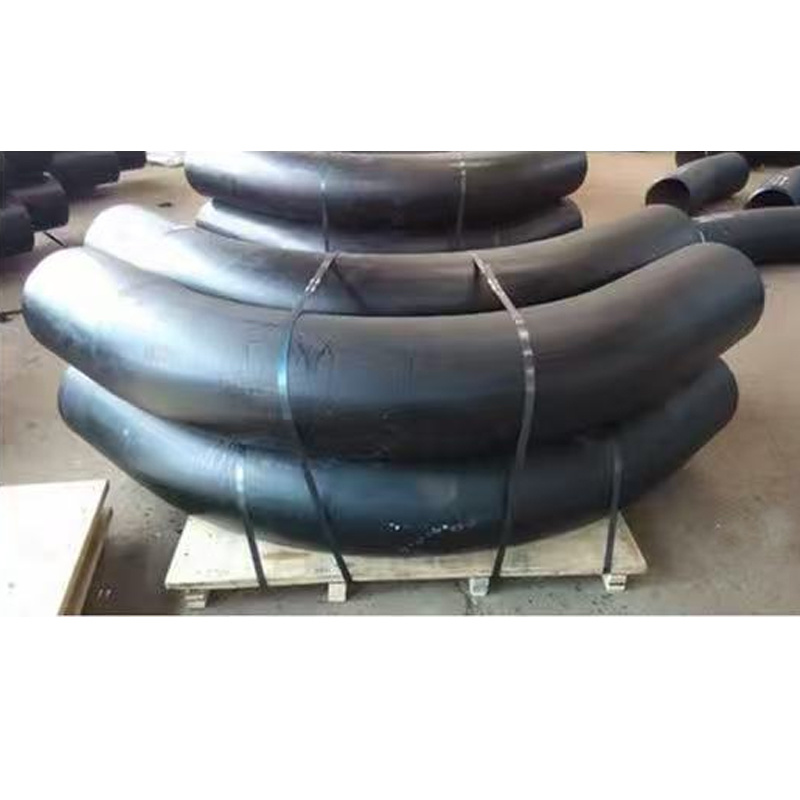
Understanding High-Pressure Plastic-Coated Bends in Industrial Piping Systems
High-pressure plastic-coated bends are critical components in industrial piping systems, especially in applications where durability and resistance to corrosion are paramount. These bends are specifically designed to manage the flow of fluids or gases under high-pressure conditions while maintaining optimal performance and reliability.
The primary function of high-pressure plastic-coated bends is
Sep 13,2026

How to Maintain High-Pressure Alloy Seamless Steel Pipes for Longevity
How to Maintain High-Pressure Alloy Seamless Steel Pipes for Longevity
Table of Contents
Understanding High-Pressure Alloy Seamless Steel Pipes
The Importance of Maintenance for High-Pressure Pipes
Common Challenges in Maintaining High-Pressure Pipes
Best Practices for Maintaining High-Pressure Alloy Seamless Steel Pipes
Regular Inspections and Assessments
Sep 09,2026
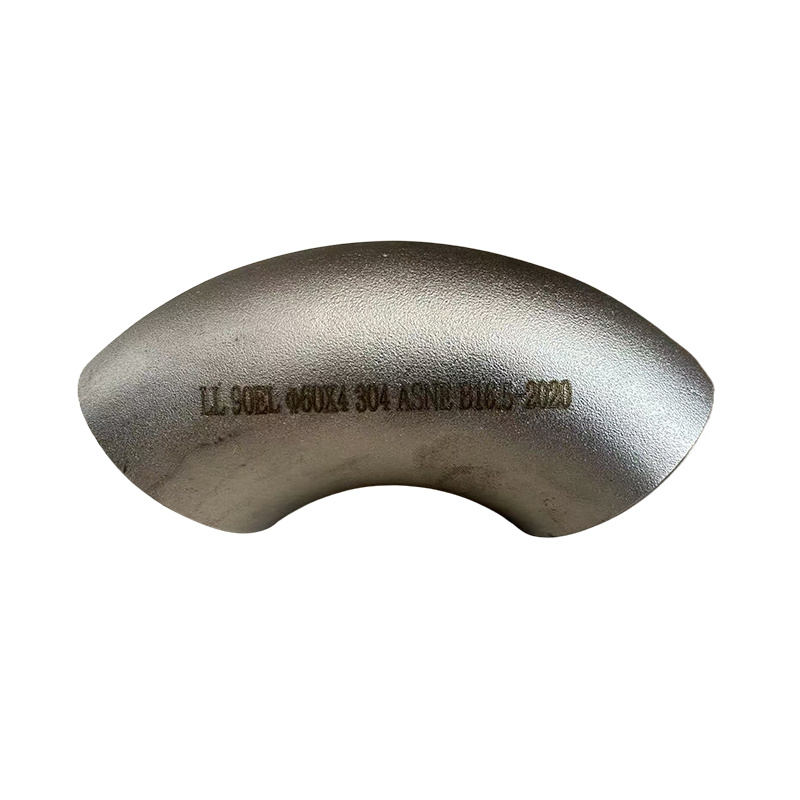
Understanding High-Pressure Alloy Bends: Essential Components for Industrial Piping Systems
High-pressure alloy bends are critical components in the design and operation of industrial piping systems. These bends facilitate the efficient transport of fluids and gases under high-pressure conditions, making them indispensable in various applications, including oil and gas, chemical processing, and power generation.
One of the primary advantages of high-pressure alloy bends is their ability
Sep 05,2026

Service E-mail
Tel
Tel
Address
Room 715, Block A, Qinglin Building, Chentangzhuang, Hexi District, Tianjin
Ask For A Quick Quote
We will contact you within one working day. Please pay attention to your email.