

Understanding the Four Way Pipeline: Essential Insights for Professionals in Construction and Decoration
Jan 05,2026
The Four Way Pipeline, often referred to as a four-way fitting or four-way connector, is an essential element in plumbing and piping systems. This type of fitting allows for the branching of a primary pipeline into four separate directions, facilitating the efficient distribution of fluids or gases in various constructions. Its design is particularly advantageous in complex systems where space con
The Four Way Pipeline, often referred to as a four-way fitting or four-way connector, is an essential element in plumbing and piping systems. This type of fitting allows for the branching of a primary pipeline into four separate directions, facilitating the efficient distribution of fluids or gases in various constructions. Its design is particularly advantageous in complex systems where space constraints demand versatile configurations.
One of the primary benefits of the four-way pipeline is its ability to optimize flow management. By providing multiple outlet options, it enables a more organized layout of piping, which can significantly enhance the efficiency of the entire system. This is particularly important in high-demand environments such as commercial buildings, industrial sites, and large-scale residential projects where effective resource distribution is crucial.
In terms of materials, four-way pipelines can be manufactured from various substances such as PVC, copper, and stainless steel. Each material offers unique advantages in terms of durability, resistance to corrosion, and ease of installation. For instance, PVC is lightweight and cost-effective, making it an ideal choice for residential applications, while stainless steel provides superior strength and temperature resistance, suitable for industrial contexts.
When considering the installation of a four-way pipeline, professionals should pay attention to the specifications of the project. Factors such as flow rate, pressure requirements, and the type of fluid being transported are critical for selecting the appropriate fitting. Additionally, understanding the compatibility of the four-way pipeline with existing infrastructure is essential for ensuring seamless integration and optimal performance.
Maintenance is another key consideration when dealing with four-way pipelines. Regular inspections can help identify potential issues such as leaks or blockages, which can severely impact the efficiency of the system. By implementing a routine maintenance schedule, professionals can prolong the lifespan of the fittings and reduce the likelihood of costly repairs.
Furthermore, the versatility of four-way pipelines extends beyond simple fluid transport. In heating and cooling systems, for example, they can play a vital role in managing the distribution of hot or cold air, thereby improving overall energy efficiency. This adaptability makes them a valuable asset in modern construction practices where sustainability and efficiency are increasingly prioritized.
In conclusion, the Four Way Pipeline serves as a fundamental component in the architecture of plumbing and gas systems within the construction and decoration materials industry. By understanding its applications, benefits, and maintenance requirements, professionals can leverage this fitting to enhance the efficiency and functionality of their projects. Whether you are working on residential, commercial, or industrial applications, incorporating four-way pipelines can lead to more effective and organized systems.
One of the primary benefits of the four-way pipeline is its ability to optimize flow management. By providing multiple outlet options, it enables a more organized layout of piping, which can significantly enhance the efficiency of the entire system. This is particularly important in high-demand environments such as commercial buildings, industrial sites, and large-scale residential projects where effective resource distribution is crucial.
In terms of materials, four-way pipelines can be manufactured from various substances such as PVC, copper, and stainless steel. Each material offers unique advantages in terms of durability, resistance to corrosion, and ease of installation. For instance, PVC is lightweight and cost-effective, making it an ideal choice for residential applications, while stainless steel provides superior strength and temperature resistance, suitable for industrial contexts.
When considering the installation of a four-way pipeline, professionals should pay attention to the specifications of the project. Factors such as flow rate, pressure requirements, and the type of fluid being transported are critical for selecting the appropriate fitting. Additionally, understanding the compatibility of the four-way pipeline with existing infrastructure is essential for ensuring seamless integration and optimal performance.
Maintenance is another key consideration when dealing with four-way pipelines. Regular inspections can help identify potential issues such as leaks or blockages, which can severely impact the efficiency of the system. By implementing a routine maintenance schedule, professionals can prolong the lifespan of the fittings and reduce the likelihood of costly repairs.
Furthermore, the versatility of four-way pipelines extends beyond simple fluid transport. In heating and cooling systems, for example, they can play a vital role in managing the distribution of hot or cold air, thereby improving overall energy efficiency. This adaptability makes them a valuable asset in modern construction practices where sustainability and efficiency are increasingly prioritized.
In conclusion, the Four Way Pipeline serves as a fundamental component in the architecture of plumbing and gas systems within the construction and decoration materials industry. By understanding its applications, benefits, and maintenance requirements, professionals can leverage this fitting to enhance the efficiency and functionality of their projects. Whether you are working on residential, commercial, or industrial applications, incorporating four-way pipelines can lead to more effective and organized systems.
Key words:
RELATED INFORMATION
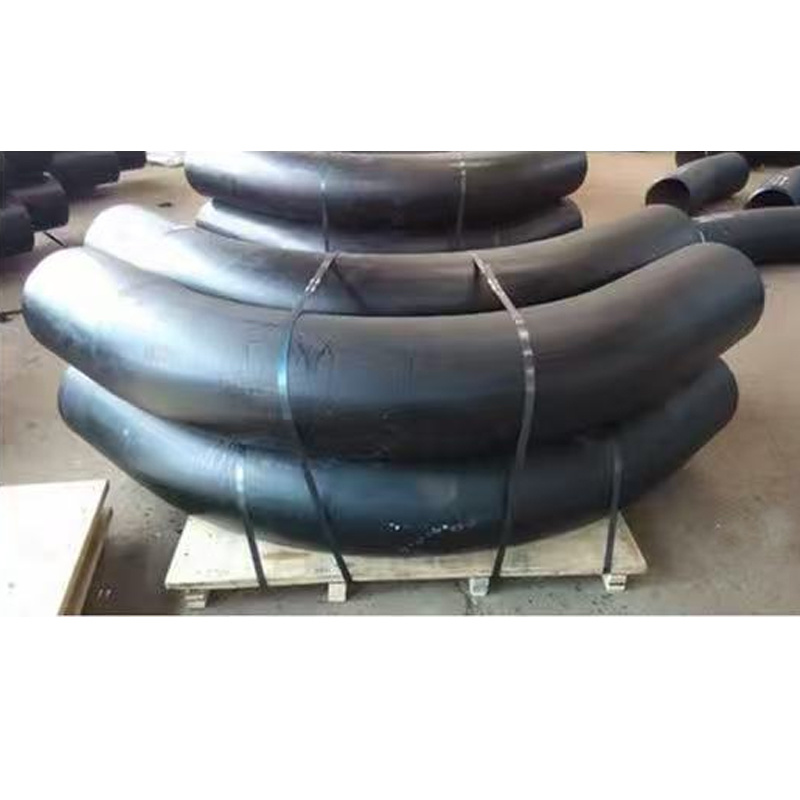
Understanding High-Pressure Plastic-Coated Bends in Industrial Piping Systems
High-pressure plastic-coated bends are critical components in industrial piping systems, especially in applications where durability and resistance to corrosion are paramount. These bends are specifically designed to manage the flow of fluids or gases under high-pressure conditions while maintaining optimal performance and reliability.
The primary function of high-pressure plastic-coated bends is
Sep 13,2026

How to Maintain High-Pressure Alloy Seamless Steel Pipes for Longevity
How to Maintain High-Pressure Alloy Seamless Steel Pipes for Longevity
Table of Contents
Understanding High-Pressure Alloy Seamless Steel Pipes
The Importance of Maintenance for High-Pressure Pipes
Common Challenges in Maintaining High-Pressure Pipes
Best Practices for Maintaining High-Pressure Alloy Seamless Steel Pipes
Regular Inspections and Assessments
Sep 09,2026
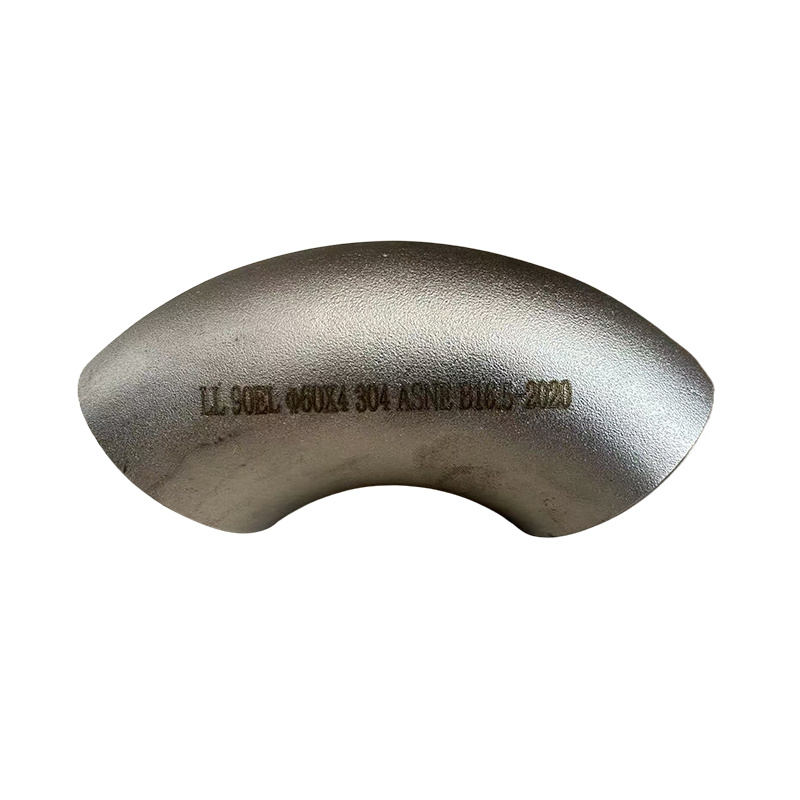
Understanding High-Pressure Alloy Bends: Essential Components for Industrial Piping Systems
High-pressure alloy bends are critical components in the design and operation of industrial piping systems. These bends facilitate the efficient transport of fluids and gases under high-pressure conditions, making them indispensable in various applications, including oil and gas, chemical processing, and power generation.
One of the primary advantages of high-pressure alloy bends is their ability
Sep 05,2026

Service E-mail
Tel
Tel
Address
Room 715, Block A, Qinglin Building, Chentangzhuang, Hexi District, Tianjin
Ask For A Quick Quote
We will contact you within one working day. Please pay attention to your email.