

How Insulated Pipelines Reduce Energy Loss in Transportation Systems: Enhancing Efficiency and Sustainability
Jan 06,2026
How Insulated Pipelines Reduce Energy Loss in Transportation Systems
Table of Contents
1. Understanding the Importance of Insulated Pipelines
2. The Mechanics of Energy Loss in Transportation Systems
3. Types of Insulation Used in Pipelines
3.1. Foam Insulation
3.2. Fiberglass Insulation
3.3. Mineral Wool Insulation
4. Benefits of Using Insulated Pipelines
4.1. Enhanced Energy Efficiency
4.2. Cost
How Insulated Pipelines Reduce Energy Loss in Transportation Systems
Table of Contents
1. Understanding the Importance of Insulated Pipelines
2. The Mechanics of Energy Loss in Transportation Systems
3. Types of Insulation Used in Pipelines
3.1. Foam Insulation
3.2. Fiberglass Insulation
3.3. Mineral Wool Insulation
4. Benefits of Using Insulated Pipelines
4.1. Enhanced Energy Efficiency
4.2. Cost Savings Over Time
4.3. Environmental Impact
5. Factors Influencing Energy Loss in Pipelines
5.1. Temperature Variations
5.2. Material Selection
6. Best Practices for Insulating Pipelines
7. Case Studies: Success Stories in Energy Conservation
8. FAQs about Insulated Pipelines and Energy Loss
9. Conclusion
1. Understanding the Importance of Insulated Pipelines
In industries reliant on transportation systems, **energy efficiency** is paramount. Insulated pipelines serve as a critical component in reducing energy loss, ensuring that the substances transported maintain their required temperature over long distances. By understanding the importance of these pipelines, we can appreciate their role in enhancing the performance of transportation systems across various sectors.
2. The Mechanics of Energy Loss in Transportation Systems
Energy loss in pipeline transportation occurs due to several factors, including thermal conduction, convection, and radiation. When fluids or gases travel through uninsulated pipes, heat exchange with the surrounding environment leads to significant energy dissipation. For instance, a hot fluid losing heat to the cooler external air not only reduces the fluid's temperature—potentially impacting its usability—but also increases energy consumption for reheating.
3. Types of Insulation Used in Pipelines
Choosing the right insulation material is crucial for optimizing energy efficiency in pipelines. Below are the most commonly used insulation types:
3.1. Foam Insulation
Foam insulation is lightweight and easy to install. It effectively minimizes heat transfer due to its closed-cell structure. This type of insulation is particularly beneficial for pipelines carrying chilled fluids, as it prevents condensation and protects against corrosion.
3.2. Fiberglass Insulation
Fiberglass insulation is widely recognized for its high thermal resistance and durability. Its flexible nature allows it to conform to various pipe shapes and sizes, making it an ideal choice for diverse applications. This insulation type is particularly effective for high-temperature systems.
3.3. Mineral Wool Insulation
Mineral wool, made from natural or synthetic fibers, offers excellent fire resistance and sound attenuation. It is suitable for applications requiring both thermal and acoustic insulation. Its resistance to moisture makes it ideal for environments where condensation is a concern.
4. Benefits of Using Insulated Pipelines
The implementation of insulated pipelines yields numerous advantages that extend beyond mere energy savings.
4.1. Enhanced Energy Efficiency
Insulated pipelines significantly enhance energy efficiency by reducing the amount of energy required to maintain the temperature of the transported substances. This efficiency translates into lower operational costs and a smaller carbon footprint.
4.2. Cost Savings Over Time
Although the initial investment in insulation may appear substantial, the long-term savings on energy bills can be significant. Reduced energy consumption leads to lower utility expenses and a faster return on investment (ROI).
4.3. Environmental Impact
By minimizing energy loss, insulated pipelines contribute to environmental sustainability. Lower energy usage means decreased greenhouse gas emissions, aligning with global efforts to combat climate change.
5. Factors Influencing Energy Loss in Pipelines
Several variables can affect the level of energy loss in pipeline systems:
5.1. Temperature Variations
Temperature differences between the fluid inside the pipe and the surrounding environment play a crucial role in energy loss. Maintaining consistent temperatures through effective insulation minimizes this loss.
5.2. Material Selection
The choice of pipe material impacts the efficiency of insulation. Materials with higher thermal conductivity will result in greater energy loss if not properly insulated, emphasizing the need for careful material selection.
6. Best Practices for Insulating Pipelines
To maximize the benefits of insulated pipelines, consider the following best practices:
1. **Conduct a Thermal Analysis**: Assess the thermal dynamics of your pipeline system to determine the optimal insulation type and thickness.
2. **Proper Installation**: Ensure that insulation is installed correctly to avoid gaps, which can lead to heat loss.
3. **Regular Maintenance**: Periodically inspect insulated pipelines for signs of wear or damage, ensuring that insulation remains effective over time.
7. Case Studies: Success Stories in Energy Conservation
Many companies have successfully implemented insulated pipelines, resulting in substantial energy savings. For example, a large chemical manufacturer reported a 30% reduction in energy consumption after upgrading their pipeline insulation, translating to annual savings of over $100,000. These real-world examples demonstrate the tangible benefits of investing in insulated pipelines.
8. FAQs about Insulated Pipelines and Energy Loss
Q1: What is the primary function of insulated pipelines?
A1: The primary function of insulated pipelines is to minimize energy loss during the transportation of fluids or gases, ensuring that they maintain their desired temperature.
Q2: How does insulation affect the operational cost of transportation systems?
A2: Insulation reduces energy consumption, leading to lower operational costs and significant savings over time.
Q3: Can insulated pipelines be used for both hot and cold fluids?
A3: Yes, insulated pipelines can be designed to transport both hot and cold fluids by selecting appropriate insulation materials tailored to the specific temperature requirements.
Q4: What maintenance is required for insulated pipelines?
A4: Regular inspections are essential to check for insulation wear, moisture accumulation, and any signs of damage to ensure effectiveness.
Q5: Are there any environmental benefits to using insulated pipelines?
A5: Yes, insulated pipelines reduce energy consumption, which in turn decreases greenhouse gas emissions, contributing to environmental sustainability.
9. Conclusion
In today's energy-conscious world, the importance of insulated pipelines in reducing energy loss in transportation systems cannot be overstated. By enhancing energy efficiency, providing cost savings, and positively impacting the environment, insulated pipelines are a smart investment for industries reliant on effective transportation solutions. As the demand for sustainability grows, adopting insulation strategies not only meets operational needs but also aligns with global efforts to create a more sustainable future. Embrace the benefits of insulated pipelines and take a significant step toward energy conservation in your transportation systems.
Key words:
RELATED INFORMATION
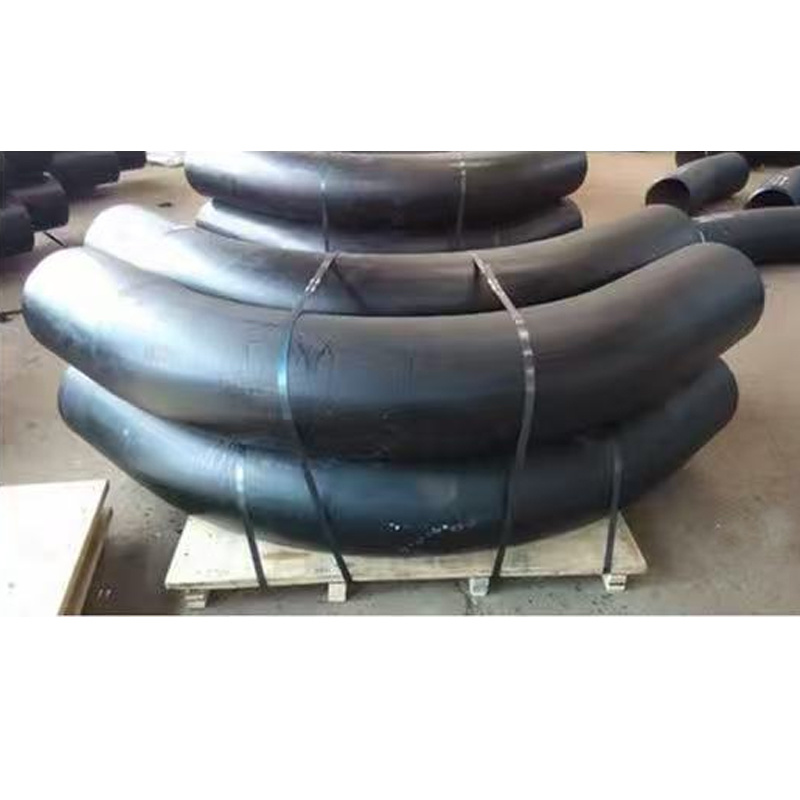
Understanding High-Pressure Plastic-Coated Bends in Industrial Piping Systems
High-pressure plastic-coated bends are critical components in industrial piping systems, especially in applications where durability and resistance to corrosion are paramount. These bends are specifically designed to manage the flow of fluids or gases under high-pressure conditions while maintaining optimal performance and reliability.
The primary function of high-pressure plastic-coated bends is
Sep 13,2026

How to Maintain High-Pressure Alloy Seamless Steel Pipes for Longevity
How to Maintain High-Pressure Alloy Seamless Steel Pipes for Longevity
Table of Contents
Understanding High-Pressure Alloy Seamless Steel Pipes
The Importance of Maintenance for High-Pressure Pipes
Common Challenges in Maintaining High-Pressure Pipes
Best Practices for Maintaining High-Pressure Alloy Seamless Steel Pipes
Regular Inspections and Assessments
Sep 09,2026
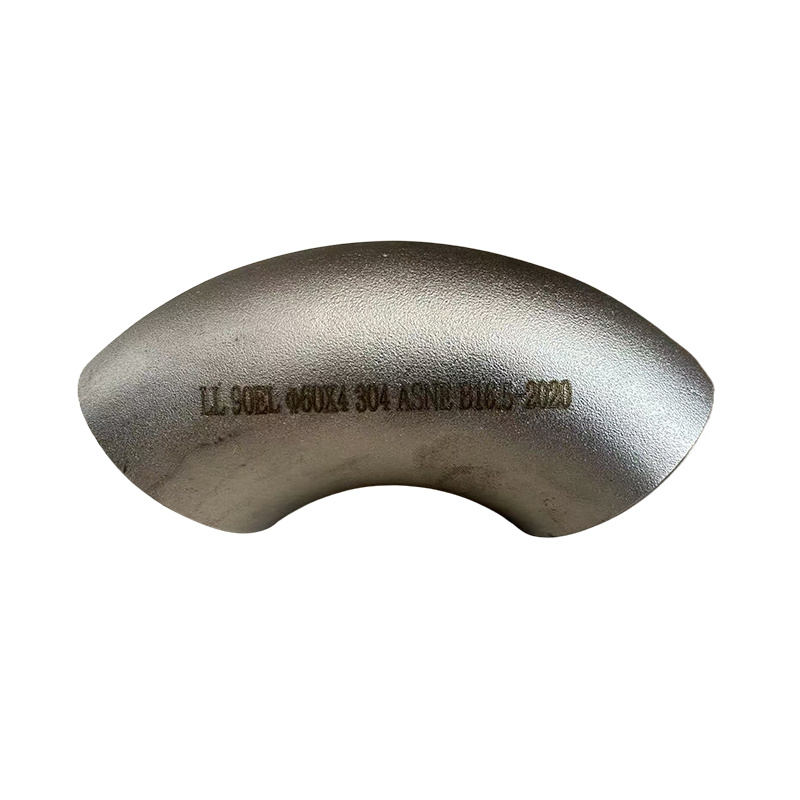
Understanding High-Pressure Alloy Bends: Essential Components for Industrial Piping Systems
High-pressure alloy bends are critical components in the design and operation of industrial piping systems. These bends facilitate the efficient transport of fluids and gases under high-pressure conditions, making them indispensable in various applications, including oil and gas, chemical processing, and power generation.
One of the primary advantages of high-pressure alloy bends is their ability
Sep 05,2026

Service E-mail
Tel
Tel
Address
Room 715, Block A, Qinglin Building, Chentangzhuang, Hexi District, Tianjin
Ask For A Quick Quote
We will contact you within one working day. Please pay attention to your email.