

Why Plastic-Coated Pipe is Essential for Corrosion Resistance
Jan 14,2026
Why Plastic-Coated Pipe is Essential for Corrosion Resistance
Table of Contents
1. Introduction to Plastic-Coated Pipes
2. Understanding Corrosion and Its Impact on Industrial Equipment
3. The Advantages of Plastic Coating for Pipes
3.1 Enhanced Corrosion Resistance
3.2 Extended Lifespan of Infrastructure
3.3 Cost-Effectiveness
4. Applications of Plastic-Coated Pipes
4.1 Oil and
Why Plastic-Coated Pipe is Essential for Corrosion Resistance
Table of Contents
1. Introduction to Plastic-Coated Pipes
2. Understanding Corrosion and Its Impact on Industrial Equipment
3. The Advantages of Plastic Coating for Pipes
3.1 Enhanced Corrosion Resistance
3.2 Extended Lifespan of Infrastructure
3.3 Cost-Effectiveness
4. Applications of Plastic-Coated Pipes
4.1 Oil and Gas Industry
4.2 Water Treatment Facilities
4.3 Chemical Processing
5. Comparing Plastic-Coated Pipes with Traditional Options
5.1 Longevity and Maintenance
5.2 Performance Under Extreme Conditions
6. Sustainability Considerations of Plastic-Coated Pipes
7. Installation and Maintenance Best Practices
8. Frequently Asked Questions (FAQs)
9. Conclusion
1. Introduction to Plastic-Coated Pipes
In today's industrial landscape, the **importance of corrosion resistance** cannot be overstated. Corrosion is a natural process that deteriorates materials over time, leading to significant financial losses and safety hazards. To combat this, industries are increasingly turning to **plastic-coated pipes** as a viable solution. These pipes offer exceptional durability and protection against corrosive environments, ensuring longevity and reliability in various applications.
2. Understanding Corrosion and Its Impact on Industrial Equipment
Corrosion occurs when metals react with their environment, leading to material degradation. This can happen due to exposure to moisture, chemicals, or extreme temperatures. In industrial settings, **corrosion can compromise infrastructure**, resulting in failures that affect productivity and safety. The costs associated with repairing or replacing corroded pipes can be astronomical, which is why effective corrosion resistance strategies are essential.
3. The Advantages of Plastic Coating for Pipes
Plastic coating provides a **protective layer** that shields pipes from corrosive elements. The following advantages highlight why plastic-coated pipes are becoming the standard in various industries.
3.1 Enhanced Corrosion Resistance
Plastic coatings form a barrier that prevents moisture and corrosive agents from contacting the metal surface beneath. This barrier significantly reduces the risk of rust and deterioration, thus extending the life of the pipe.
3.2 Extended Lifespan of Infrastructure
By preventing corrosion, plastic-coated pipes can last much longer than traditional metal pipes. This enhanced durability translates to fewer repairs, replacements, and downtime, ultimately providing more reliable infrastructure.
3.3 Cost-Effectiveness
While the initial investment in plastic-coated pipes may be higher than traditional options, the long-term savings are substantial. Reduced maintenance needs and longer lifespans lead to lower overall costs, making them a cost-effective choice.
4. Applications of Plastic-Coated Pipes
Plastic-coated pipes are versatile and suitable for a variety of applications across different industries.
4.1 Oil and Gas Industry
In the oil and gas sector, pipes are exposed to harsh conditions and corrosive substances. Plastic coatings help ensure the integrity of pipelines, reducing the risk of leaks and environmental hazards.
4.2 Water Treatment Facilities
Water treatment plants often utilize plastic-coated pipes to prevent corrosion from chlorinated water and other chemicals. This ensures that water remains safe for consumption and meets regulatory standards.
4.3 Chemical Processing
The chemical processing industry faces unique challenges due to the diverse range of substances handled. Plastic-coated pipes provide excellent resistance to a variety of corrosive chemicals, making them ideal for this sector.
5. Comparing Plastic-Coated Pipes with Traditional Options
When evaluating materials for piping, it’s essential to compare the benefits of plastic-coated pipes against traditional options.
5.1 Longevity and Maintenance
Traditional metal pipes may require frequent maintenance to address corrosion issues. In contrast, plastic-coated pipes significantly reduce maintenance needs, offering a more hassle-free solution.
5.2 Performance Under Extreme Conditions
Plastic-coated pipes perform exceptionally well in extreme temperatures and aggressive environments. Their resilience makes them suitable for applications where traditional pipes would fail.
6. Sustainability Considerations of Plastic-Coated Pipes
Sustainability is a growing concern in every industry. Plastic-coated pipes contribute positively to sustainability efforts by reducing waste through their extended lifespan and minimizing the frequency of repairs and replacements. Additionally, many manufacturers are adopting eco-friendly practices in producing these pipes.
7. Installation and Maintenance Best Practices
To ensure optimal performance of plastic-coated pipes, proper installation and maintenance are crucial. Here are some best practices:
- **Follow Manufacturer Guidelines:** Always adhere to the specific installation instructions provided by the pipe manufacturer.
- **Inspect Regularly:** Schedule regular inspections to identify any potential issues before they become critical.
- **Avoid Abrasive Materials:** During installation and maintenance, avoid using tools or materials that could damage the plastic coating.
8. Frequently Asked Questions (FAQs)
**Q1: What materials are typically used for plastic coating pipes?**
A1: Plastic-coated pipes are commonly made from steel or other metals that are coated with materials like polyethylene, nylon, or PVC to enhance corrosion resistance.
**Q2: How do plastic-coated pipes compare to galvanized pipes?**
A2: While galvanized pipes offer some corrosion resistance, plastic-coated pipes provide superior protection against harsh chemicals and moisture, making them more suitable for demanding applications.
**Q3: Can plastic-coated pipes be used in high-temperature environments?**
A3: Yes, plastic-coated pipes are designed to withstand high temperatures, but it’s essential to check the specifications of the coating used for optimal performance.
**Q4: How do I choose the right plastic-coated pipe for my application?**
A4: Consider the specific conditions of your application, such as the types of fluids being transported, temperature ranges, and environmental factors. Consulting with a supplier can also help you make an informed decision.
**Q5: What is the expected lifespan of plastic-coated pipes?**
A5: The lifespan of plastic-coated pipes can vary based on the application and environmental conditions, but they can last significantly longer than traditional pipes, often exceeding 25 years.
9. Conclusion
Plastic-coated pipes are an essential innovation in the battle against corrosion. Their numerous advantages, including enhanced durability, cost-effectiveness, and versatility across various industries, make them a preferred choice for modern infrastructure. As industries continue to evolve, the demand for reliable and long-lasting materials will only increase. Understanding the value of plastic-coated pipes and implementing them effectively will ensure that businesses can maintain operational efficiency while safeguarding their investments against the devastating effects of corrosion.
Key words:
RELATED INFORMATION
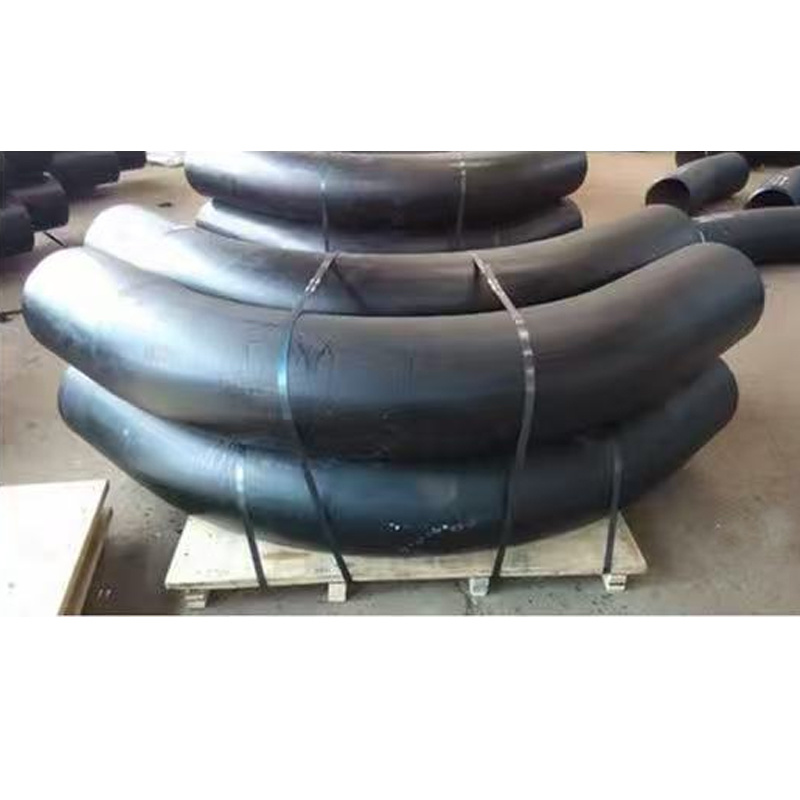
Understanding High-Pressure Plastic-Coated Bends in Industrial Piping Systems
High-pressure plastic-coated bends are critical components in industrial piping systems, especially in applications where durability and resistance to corrosion are paramount. These bends are specifically designed to manage the flow of fluids or gases under high-pressure conditions while maintaining optimal performance and reliability.
The primary function of high-pressure plastic-coated bends is
Sep 13,2026

How to Maintain High-Pressure Alloy Seamless Steel Pipes for Longevity
How to Maintain High-Pressure Alloy Seamless Steel Pipes for Longevity
Table of Contents
Understanding High-Pressure Alloy Seamless Steel Pipes
The Importance of Maintenance for High-Pressure Pipes
Common Challenges in Maintaining High-Pressure Pipes
Best Practices for Maintaining High-Pressure Alloy Seamless Steel Pipes
Regular Inspections and Assessments
Sep 09,2026
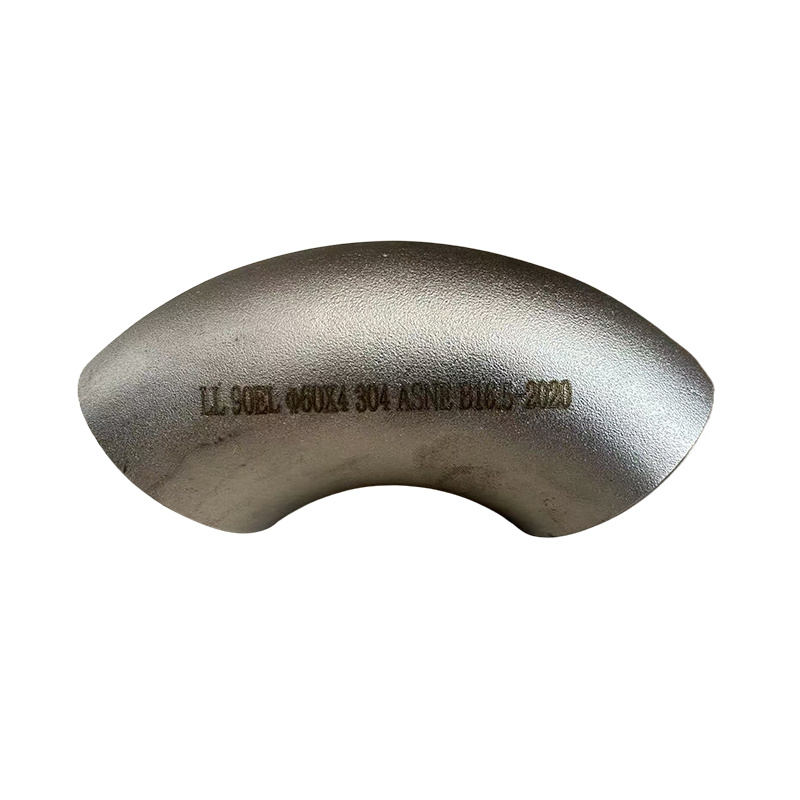
Understanding High-Pressure Alloy Bends: Essential Components for Industrial Piping Systems
High-pressure alloy bends are critical components in the design and operation of industrial piping systems. These bends facilitate the efficient transport of fluids and gases under high-pressure conditions, making them indispensable in various applications, including oil and gas, chemical processing, and power generation.
One of the primary advantages of high-pressure alloy bends is their ability
Sep 05,2026

Service E-mail
Tel
Tel
Address
Room 715, Block A, Qinglin Building, Chentangzhuang, Hexi District, Tianjin
Ask For A Quick Quote
We will contact you within one working day. Please pay attention to your email.