

Understanding the Four-Way Pipeline: Essential Insights for Construction and Decoration Materials
Jan 15,2026
In the realm of construction and decoration materials, understanding the functionality and applications of a four-way pipeline is crucial for ensuring efficient and effective project execution. A four-way pipeline, often referred to as a four-way fitting or connector, is designed to facilitate the flow of liquids or gases through multiple channels, allowing for versatile configurations in piping s
In the realm of construction and decoration materials, understanding the functionality and applications of a four-way pipeline is crucial for ensuring efficient and effective project execution. A four-way pipeline, often referred to as a four-way fitting or connector, is designed to facilitate the flow of liquids or gases through multiple channels, allowing for versatile configurations in piping systems.
The primary function of a four-way pipeline is to enable the seamless connection between four separate pipes. This feature is particularly beneficial in complex plumbing systems, where multiple branches are required to manage the distribution of water, air, or other substances. By incorporating a four-way fitting, contractors and engineers can create intricate networks that maximize fluid flow while minimizing the risk of leaks or blockages.
One of the key advantages of using a four-way pipeline is its ability to streamline installation processes. Instead of relying on several individual fittings to create a branching system, a single four-way fitting can simplify connections, reducing both labor and material costs. This efficiency is particularly valuable in large-scale construction projects where time and resources are of the essence.
Additionally, four-way pipelines are instrumental in enhancing the adaptability of a piping system. For instance, in HVAC (Heating, Ventilation, and Air Conditioning) applications, a four-way fitting can allow for the precise control of airflow, ensuring that different zones within a building receive the appropriate temperature and ventilation. This adaptability extends to other applications, such as irrigation systems or industrial processes, where managing multiple flows is essential for optimal performance.
Moreover, the materials used in the construction of four-way pipelines contribute significantly to their performance and longevity. High-quality materials resist corrosion, withstand high pressures, and ensure a reliable connection over time. This durability is essential in environments where pipelines are subjected to harsh conditions or fluctuating temperatures.
When selecting four-way pipelines for your projects, consider the specific requirements of your application, including the type of fluid being transported, pressure ratings, and compatibility with existing systems. Collaborating with knowledgeable suppliers can ensure you choose the right materials and fittings that meet industry standards while optimizing performance.
In conclusion, the four-way pipeline is a vital component in the construction and decoration materials sector, offering unique advantages in terms of installation, adaptability, and performance. By understanding its functionalities and applications, professionals can make informed decisions that enhance the efficiency and reliability of their projects. Embracing this technology can lead to better project outcomes and increased satisfaction among end users.
The primary function of a four-way pipeline is to enable the seamless connection between four separate pipes. This feature is particularly beneficial in complex plumbing systems, where multiple branches are required to manage the distribution of water, air, or other substances. By incorporating a four-way fitting, contractors and engineers can create intricate networks that maximize fluid flow while minimizing the risk of leaks or blockages.
One of the key advantages of using a four-way pipeline is its ability to streamline installation processes. Instead of relying on several individual fittings to create a branching system, a single four-way fitting can simplify connections, reducing both labor and material costs. This efficiency is particularly valuable in large-scale construction projects where time and resources are of the essence.
Additionally, four-way pipelines are instrumental in enhancing the adaptability of a piping system. For instance, in HVAC (Heating, Ventilation, and Air Conditioning) applications, a four-way fitting can allow for the precise control of airflow, ensuring that different zones within a building receive the appropriate temperature and ventilation. This adaptability extends to other applications, such as irrigation systems or industrial processes, where managing multiple flows is essential for optimal performance.
Moreover, the materials used in the construction of four-way pipelines contribute significantly to their performance and longevity. High-quality materials resist corrosion, withstand high pressures, and ensure a reliable connection over time. This durability is essential in environments where pipelines are subjected to harsh conditions or fluctuating temperatures.
When selecting four-way pipelines for your projects, consider the specific requirements of your application, including the type of fluid being transported, pressure ratings, and compatibility with existing systems. Collaborating with knowledgeable suppliers can ensure you choose the right materials and fittings that meet industry standards while optimizing performance.
In conclusion, the four-way pipeline is a vital component in the construction and decoration materials sector, offering unique advantages in terms of installation, adaptability, and performance. By understanding its functionalities and applications, professionals can make informed decisions that enhance the efficiency and reliability of their projects. Embracing this technology can lead to better project outcomes and increased satisfaction among end users.
Key words:
RELATED INFORMATION
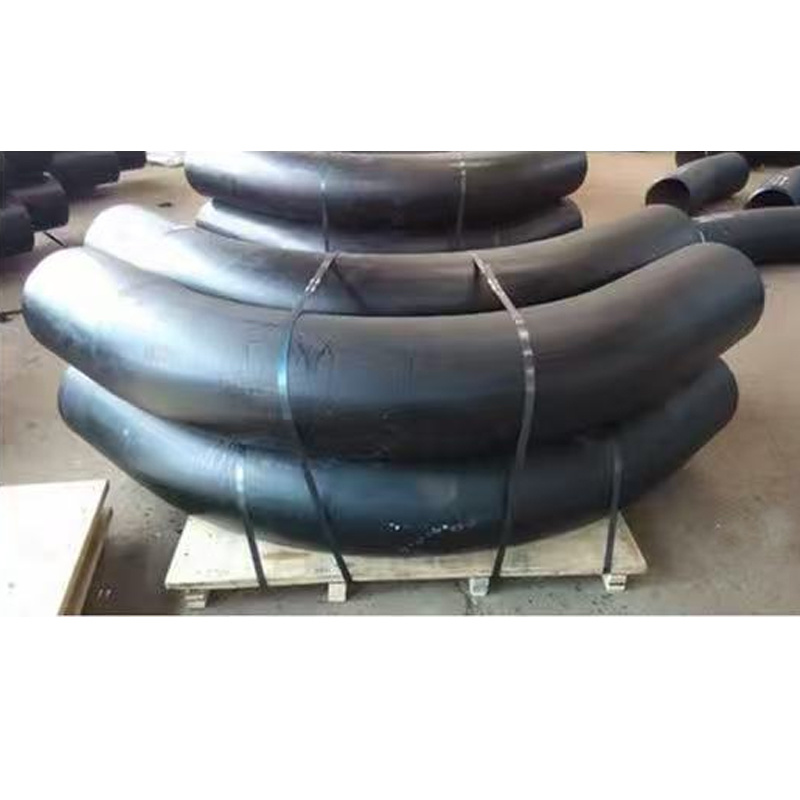
Understanding High-Pressure Plastic-Coated Bends in Industrial Piping Systems
High-pressure plastic-coated bends are critical components in industrial piping systems, especially in applications where durability and resistance to corrosion are paramount. These bends are specifically designed to manage the flow of fluids or gases under high-pressure conditions while maintaining optimal performance and reliability.
The primary function of high-pressure plastic-coated bends is
Sep 13,2026

How to Maintain High-Pressure Alloy Seamless Steel Pipes for Longevity
How to Maintain High-Pressure Alloy Seamless Steel Pipes for Longevity
Table of Contents
Understanding High-Pressure Alloy Seamless Steel Pipes
The Importance of Maintenance for High-Pressure Pipes
Common Challenges in Maintaining High-Pressure Pipes
Best Practices for Maintaining High-Pressure Alloy Seamless Steel Pipes
Regular Inspections and Assessments
Sep 09,2026
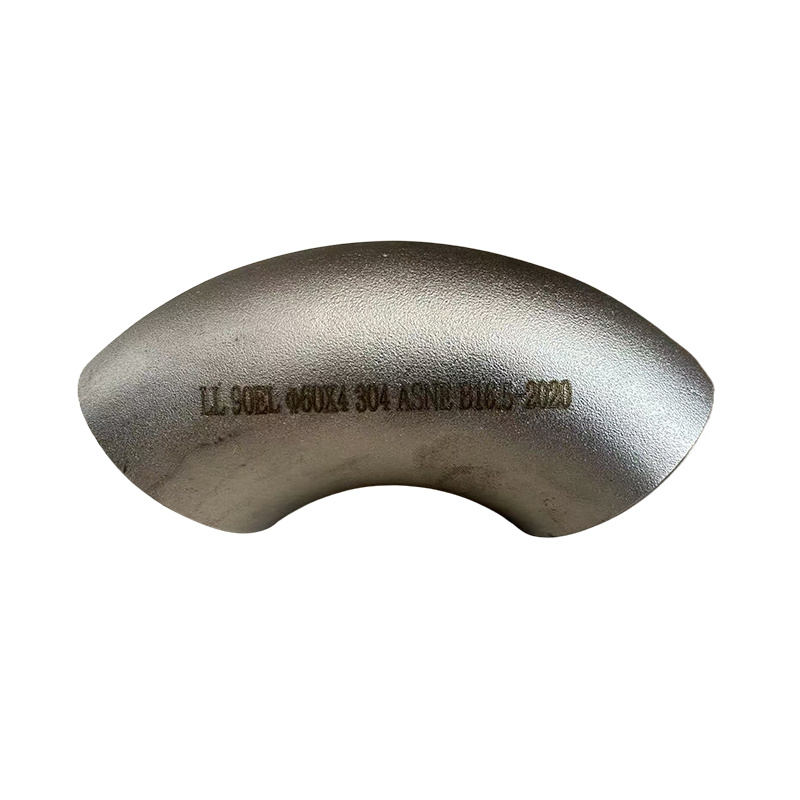
Understanding High-Pressure Alloy Bends: Essential Components for Industrial Piping Systems
High-pressure alloy bends are critical components in the design and operation of industrial piping systems. These bends facilitate the efficient transport of fluids and gases under high-pressure conditions, making them indispensable in various applications, including oil and gas, chemical processing, and power generation.
One of the primary advantages of high-pressure alloy bends is their ability
Sep 05,2026

Service E-mail
Tel
Tel
Address
Room 715, Block A, Qinglin Building, Chentangzhuang, Hexi District, Tianjin
Ask For A Quick Quote
We will contact you within one working day. Please pay attention to your email.