

Innovative Materials for Durable Insulated Pipelines: Ensuring Efficiency and Longevity
Jan 16,2026
Understanding the Importance of Insulated Pipelines
Insulated pipelines play a crucial role in various industries, including oil and gas, chemical processing, and water transportation. They are designed to transport fluids while maintaining the desired temperature and minimizing energy loss. With the increasing demand for efficiency and reliability, the development of innovative materials for insulated pipelines has become essential.
In this article, we will delve into the latest advancements in materials used for insulated pipelines, their benefits, and their applications across various sectors.
The Role of Insulated Pipelines in Modern Industries
Insulated pipelines are vital for ensuring that fluids remain at optimal temperatures. In industries such as oil and gas, improper temperature management can lead to reduced efficiency, increased operational costs, and even safety hazards. The use of advanced insulating materials not only enhances performance but also reduces the environmental impact associated with energy loss.

Key Applications of Insulated Pipelines
1. Oil and Gas Transportation: Maintaining the temperature of crude oil and natural gas during transportation is crucial for preventing condensation and maintaining flow efficiency.
2. Chemical Processing: In chemical plants, insulated pipelines are essential for maintaining the right conditions for various reactions, ensuring product quality and safety.
3. District Heating and Cooling Systems: These systems rely on insulated pipes to transport heated or chilled water efficiently across long distances, minimizing energy loss.
Innovative Materials Revolutionizing Insulated Pipelines
Recent developments in materials science have led to the creation of several innovative materials that enhance the durability and efficiency of insulated pipelines. Below, we explore some of the most promising materials currently in use.
1. Polyurethane Foam
Polyurethane foam is one of the most widely used insulating materials in pipelines due to its excellent thermal insulation properties. It has a low thermal conductivity, which helps maintain the internal temperature of the fluid being transported.
Benefits:
- Lightweight: Reduces the overall weight of the pipeline system.
- Moisture Resistance: Prevents water absorption, which can lead to corrosion.
- Versatility: Can be applied in various shapes and sizes.
2. Aerogel Insulation
Aerogel is another innovative material making waves in the pipeline insulation sector. Known for its remarkable insulating properties, aerogel is often referred to as “frozen smoke” due to its lightweight and translucent nature.
Benefits:
- Superior Thermal Resistance: Offers one of the lowest thermal conductivities of any insulating material.
- Fire Resistance: High resistance to flame propagation, enhancing safety in volatile environments.
- Low Density: Reduces the weight of the pipeline, allowing for easier handling and installation.
3. Mineral Wool Insulation
Mineral wool, made from natural or synthetic rock, is appreciated for its durability and fire-resistant properties. It is often used in industrial applications where high heat retention is critical.
Benefits:
- High Thermal Stability: Maintains insulation properties under extreme temperatures.
- Sound Absorption: Reduces noise transmission in pipeline systems.
- Eco-Friendly: Made from sustainable materials, contributing to environmental stewardship.
4. Fiberglass Insulation
Fiberglass insulation has long been a staple in pipeline insulation due to its affordability and efficiency. Composed of fine glass fibers, it provides reliable thermal insulation.
Benefits:
- Cost-Effective: One of the most affordable options available.
- Corrosion Resistance: Does not corrode, ensuring a longer lifespan for the pipeline.
- Ease of Installation: Lightweight and easy to handle, reducing installation time.
5. Advanced Composite Materials
Advanced composite materials, which often combine polymers with glass or carbon fibers, are gaining traction in the pipeline industry. These materials are designed to withstand harsh environments while providing excellent insulation.
Benefits:
- High Strength-to-Weight Ratio: Reduces the need for heavy support structures.
- Chemical Resistance: Ideal for transporting corrosive fluids.
Enhancing Pipeline Performance with Innovative Coating Technologies
In addition to using advanced materials, applying innovative coating technologies can significantly enhance the performance of insulated pipelines.
1. Polyurea Coatings
Polyurea coatings provide a robust protective layer for insulated pipelines, offering superior resistance to abrasion, corrosion, and impact.
Benefits:
- Fast-Curing: Enables quick application and reduces downtime.
- Flexibility: Allows for movement and expansion without cracking.
2. Epoxy Coatings
Epoxy coatings are well-known for their strong adhesion and chemical resistance, making them ideal for extending the life of insulated pipelines.
Benefits:
- Durable Finish: Protects against physical and chemical damage.
- Temperature Resistance: Performs well under a range of temperatures.
The Economic Impact of Innovative Insulation
Investing in innovative materials for insulated pipelines can yield significant economic benefits. By reducing energy losses and increasing efficiency, industries can lower operational costs and enhance profit margins.
Energy Efficiency and Cost Savings
The implementation of advanced insulating materials can lead to substantial energy savings. For instance, industries that manage to maintain optimal temperatures in their pipelines can reduce energy consumption significantly, leading to lower energy bills.
Long-Term Durability and Reduced Maintenance Costs
Durable materials decrease the frequency and cost of maintenance interventions. When pipelines are insulated with long-lasting materials, they are less prone to leaks and other issues, saving companies money in the long run.
Future Trends in Pipeline Insulation Technology
As technology continues to advance, we can expect to see several trends shaping the future of insulated pipelines.
1. Smart Insulation Systems
With the rise of smart technology, the development of smart insulation systems is on the horizon. These systems will incorporate sensors to monitor temperature and pressure, offering real-time data to enhance operational efficiency.
2. Biodegradable Insulating Materials
The push for sustainability is driving the development of biodegradable insulating materials. These materials will minimize environmental impact while maintaining performance standards.
FAQs About Innovative Materials for Durable Insulated Pipelines
1. What is the primary purpose of insulated pipelines?
Insulated pipelines are designed to transport fluids while maintaining their temperature, preventing energy loss, and ensuring operational efficiency.
2. How do innovative materials improve pipeline performance?
Innovative materials enhance thermal insulation, reduce weight, resist corrosion, and improve overall durability, resulting in more efficient and reliable pipeline systems.
3. What are the cost benefits of using advanced insulating materials?
Advanced insulating materials can lead to significant energy savings, reduced maintenance costs, and increased operational efficiency, offering long-term economic benefits.
4. Are there environmentally friendly options for pipeline insulation?
Yes, there are biodegradable and sustainable materials being developed that minimize environmental impact while providing effective insulation.
5. How can smart technology enhance insulated pipelines?
Smart technology can provide real-time monitoring of pipeline conditions, improving efficiency and allowing for proactive maintenance to prevent issues before they arise.
Conclusion
In summary, the evolution of insulated pipelines through the use of innovative materials has transformed various industries' operations. By investing in advanced insulating technologies, companies can enhance efficiency, reduce costs, and contribute to environmental sustainability. As we move forward, embracing these innovations will be key to ensuring the longevity and reliability of pipeline systems across the globe. The future of insulated pipelines looks promising, with ongoing advancements paving the way for even more efficient and durable solutions.
Key words:
Insulated Pipeline
RELATED INFORMATION
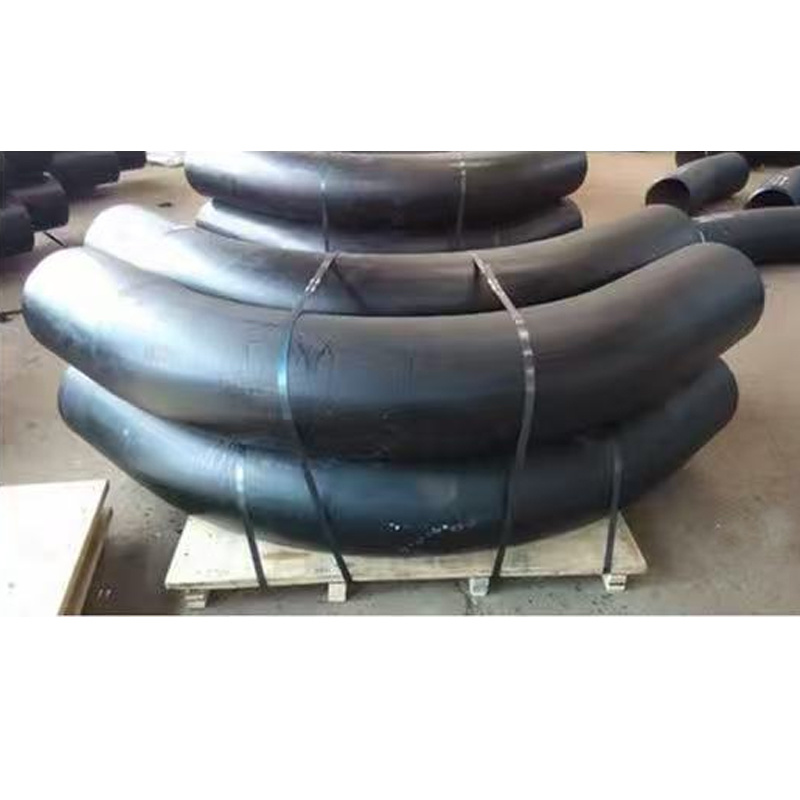
Understanding High-Pressure Plastic-Coated Bends in Industrial Piping Systems
Sep 13,2026

How to Maintain High-Pressure Alloy Seamless Steel Pipes for Longevity
Sep 09,2026
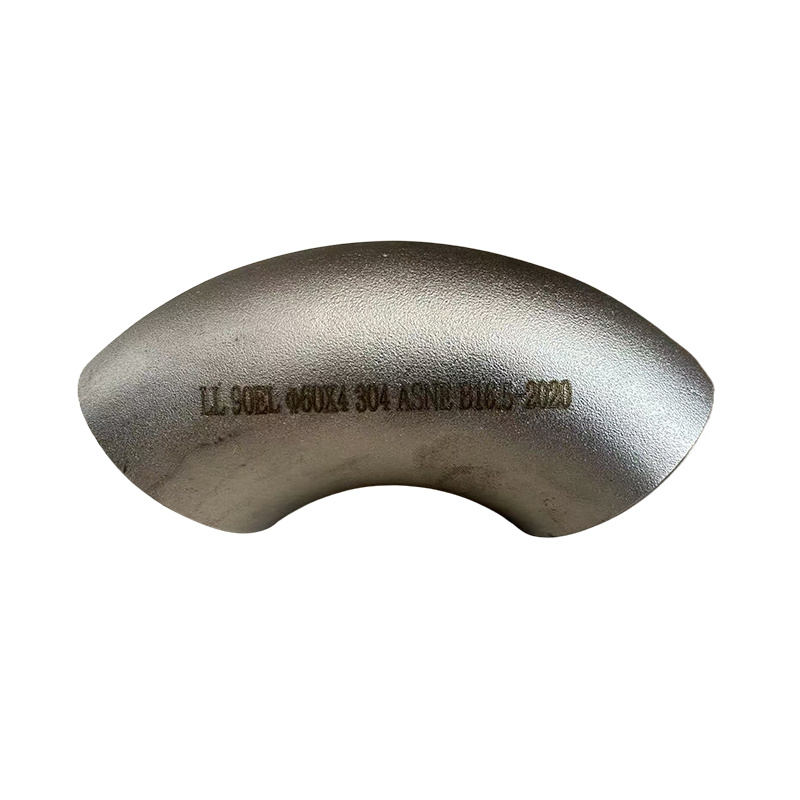
Understanding High-Pressure Alloy Bends: Essential Components for Industrial Piping Systems
Sep 05,2026

Service E-mail
Tel
Tel
Address
Room 715, Block A, Qinglin Building, Chentangzhuang, Hexi District, Tianjin
Ask For A Quick Quote
We will contact you within one working day. Please pay attention to your email.