

Understanding Reducers in Industrial Piping Systems
Jan 17,2026
Reducers are essential components in industrial piping systems, facilitating smooth transitions between pipes of different diameters. These fittings are critical in ensuring efficient fluid flow and minimizing pressure loss within the system. By understanding the various types of reducers and their applications, one can optimize system performance and enhance the overall efficiency of industrial operations.
Reducers typically come in two primary types: concentric and eccentric. Concentric reducers have a symmetrical design, where the centerline of the larger pipe aligns with that of the smaller pipe. This design is ideal for vertical applications, where maintaining a uniform flow is crucial. On the other hand, eccentric reducers have an off-center design, allowing for a consistent top or bottom alignment. This type is particularly useful in horizontal piping systems, as it helps prevent the accumulation of air and facilitates smoother fluid transitions.

The material of the reducer also plays a significant role in its performance and application. Common materials include stainless steel, carbon steel, and plastic, each offering unique benefits. Stainless steel reducers are known for their corrosion resistance and durability, making them suitable for a variety of industries, including food and beverage, pharmaceuticals, and chemical processing. Carbon steel reducers, while less resistant to corrosion, offer strength and cost-effectiveness for applications where conditions are less extreme. Plastic reducers, such as PVC or CPVC, are lightweight and resistant to certain chemicals, making them ideal for less demanding applications.
The installation and maintenance of reducers are also crucial considerations. Proper installation techniques, such as ensuring the correct alignment and securing the fittings with appropriate fasteners, can significantly impact the longevity and performance of the piping system. Regular maintenance checks to identify any signs of wear or leakage can help prevent costly downtime and ensure that the system operates efficiently.
In addition to their structural function, reducers play a vital role in pressure management within piping systems. By transitioning between different pipe sizes, reducers can help maintain optimal pressure levels, which is essential for the effective transport of fluids. An efficient reducer design can mitigate turbulence and reduce the risk of cavitation, which can lead to damage over time.
In conclusion, reducers are key components in industrial piping systems that contribute significantly to operational efficiency. By understanding their types, materials, and proper maintenance practices, industries can enhance fluid dynamics and ensure the reliability of their piping systems. Investing time in understanding the function and importance of reducers can lead to better design choices and improved system performance.
Key words:
RELATED INFORMATION
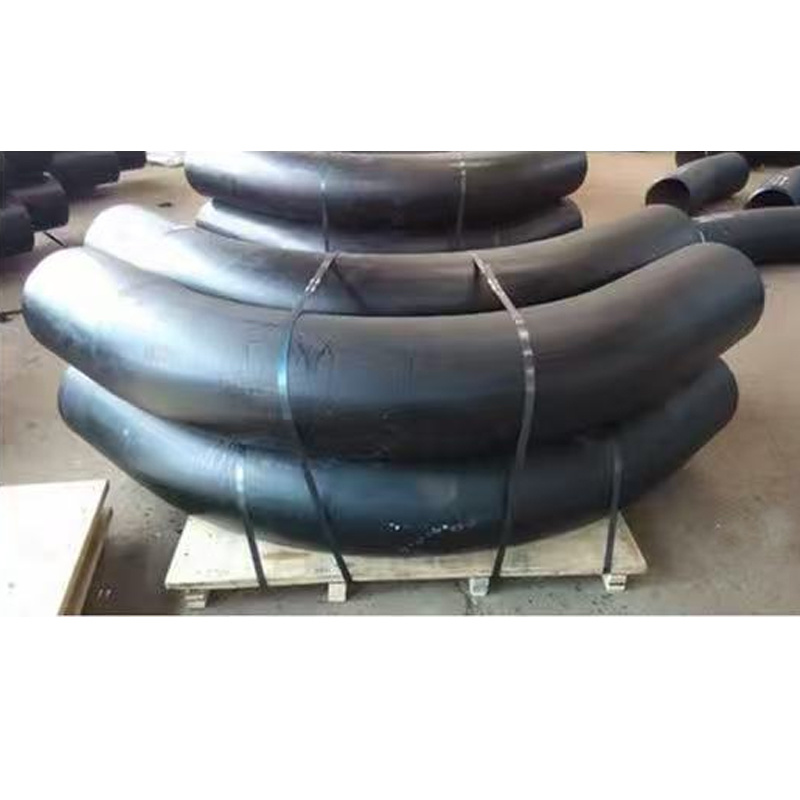
Understanding High-Pressure Plastic-Coated Bends in Industrial Piping Systems
Sep 13,2026

How to Maintain High-Pressure Alloy Seamless Steel Pipes for Longevity
Sep 09,2026
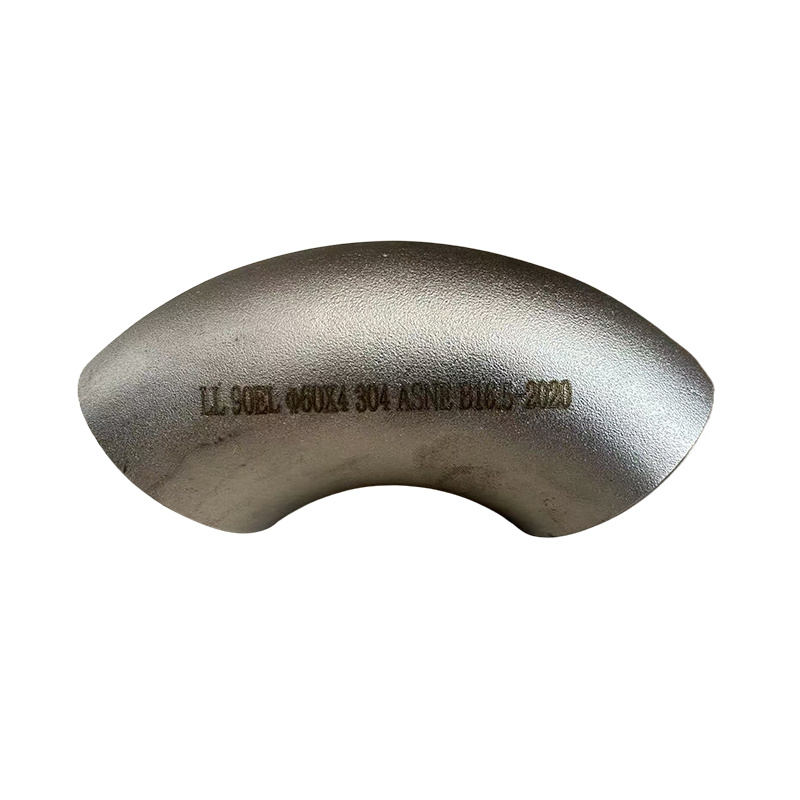
Understanding High-Pressure Alloy Bends: Essential Components for Industrial Piping Systems
Sep 05,2026

Service E-mail
Tel
Tel
Address
Room 715, Block A, Qinglin Building, Chentangzhuang, Hexi District, Tianjin
Ask For A Quick Quote
We will contact you within one working day. Please pay attention to your email.